Planning a trip to the Balkans but cannot find straight answers on what the actual Albania travel cost will be? This guide cuts through the outdated fantasy of a twenty-dollar-a-day paradise and gives you a precise, logistics-first financial blueprint that covers everything from mandatory ATM fees to exact ferry math. If you are still shaping the trip itself, our complete Albania travel guide covers the routes and regions these numbers apply to.
One note before the numbers. Dollar figures below use a rate of roughly 82 lek to $1 and about $1.14 to the euro. The lek has strengthened sharply against the dollar over the past few years, so older guides quoting 100+ lek to the dollar are quietly understating every price they list. Check the live rate before you book anything large.
The cash economy reality: ATM fees and how to avoid them
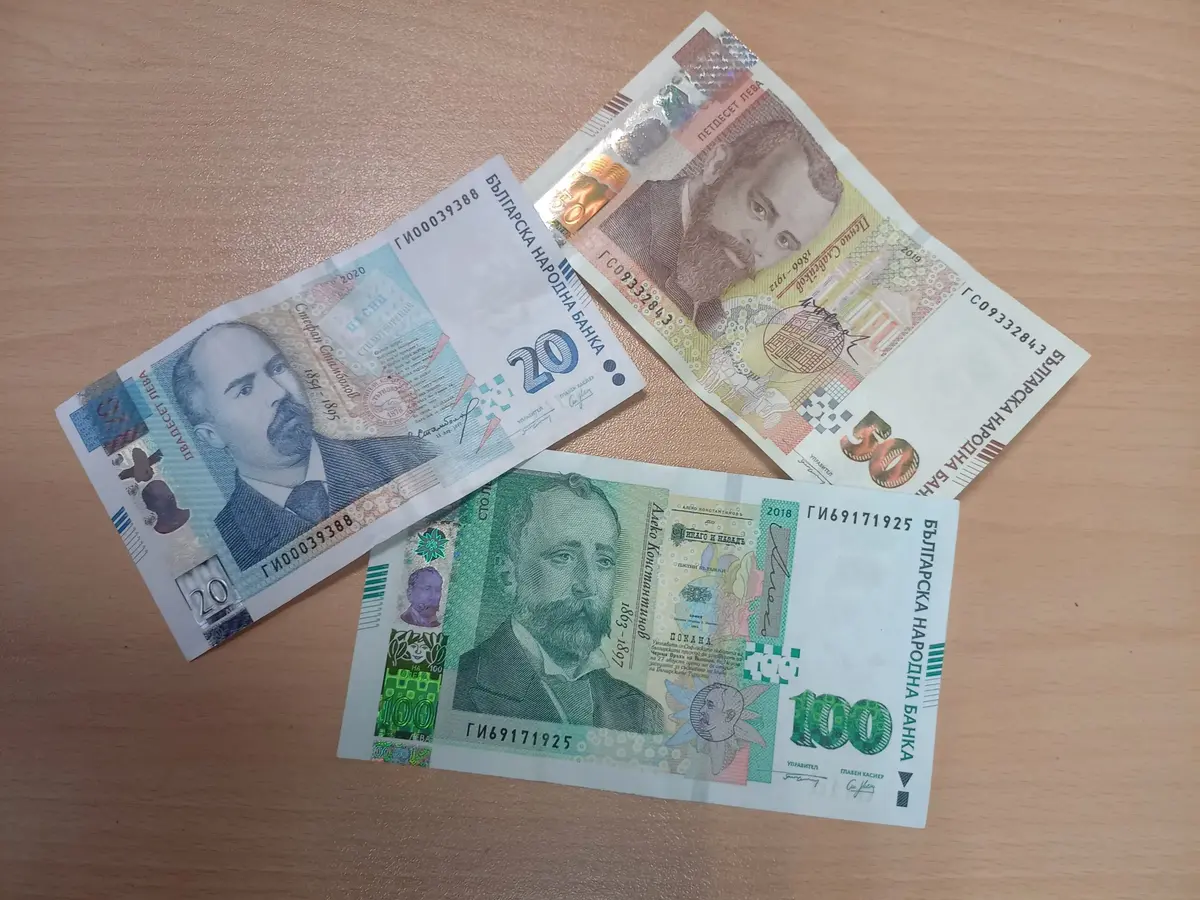
Albania runs almost entirely on physical cash, so it pays to understand how the lek and local ATMs actually work before you land. Plastic works at many hotels and restaurants in Tirana, but outside the capital, do not count on it. The bigger trap is assuming ATM withdrawals are free. Every bank in the country now charges foreign cardholders a flat fee per withdrawal, and there is no longer a single fee-free ATM in Albania. Here is the current fee landscape, along with the per-transaction ceiling that determines how badly that flat fee stings.
| Bank | Typical fee per withdrawal | Max per transaction | Notes |
| Union Bank | 500 LEK (~$6.10) on Visa | 40,000–50,000 LEK (~$490–$610) | Cheapest flat fee, but Mastercard is billed differently (roughly 250 LEK plus 2.5%). Terminals are scarce outside major cities. |
| ABI Bank | 500 LEK (~$6.10) | 40,000–50,000 LEK (~$490–$610) | Low fee, limited network. |
| OTP Bank | 500–700 LEK (~$6.10–$8.55) | 70,000 LEK (~$855) | Absorbed Alpha Bank, so guides listing Alpha separately are stale. One of the largest networks. |
| Credins Bank | 500–600 LEK (~$6.10–$7.30) | 50,000 LEK (~$610) | Legacy blogs still call this fee-free. It has not been for years. |
| Fibank | 670–690 LEK (~$8.15–$8.40) | Varies by terminal | The exact fee shifts by location. |
| Tirana Bank / Intesa Sanpaolo | 700 LEK (~$8.55) | Varies by terminal | Standard high-tier fee in the capital. |
| BKT / Raiffeisen | 700–800 LEK (~$8.55–$9.75) | 70,000–75,000 LEK (~$855–$915) | Highest fees, but the largest networks and the highest single-pull limits. Best bet in small towns. |
The math that matters is fee-as-a-percentage. A 700 LEK charge on a 10,000 LEK withdrawal is a 7% haircut. The same 700 LEK on a 70,000 LEK pull is 1%. Always take the maximum your card and the machine will allow, and carry a backup debit card, because Albanian ATMs reject foreign cards at random with no explanation.
The fee nobody warns you about: When the screen offers to convert the withdrawal into dollars, decline. Choosing “with conversion” or “charge in USD” hands the ATM operator control of the exchange rate, and the built-in markup routinely runs 5% to 10% on top of the flat fee. Always select “without conversion” or “charge in ALL” and let Visa or Mastercard do the conversion at network rates.
Also skip the blue-and-yellow Euronet machines clustered in tourist zones. They combine the highest flat fees with the worst conversion rates on offer.
Pro Tip: Open a Charles Schwab Investor Checking or Fidelity Cash Management account before you fly. Both reimburse global ATM surcharges and charge no foreign transaction fee on withdrawals, which makes Albanian banking fees a non-issue. Fidelity can still apply a 1% fee on some non-ATM debit purchases, so use a no-foreign-fee credit card for card payments. Note that no rebate program refunds a dynamic currency conversion markup, so declining that prompt still matters.
Bringing physical euros or dollars from home and exchanging them at a licensed bureau de change in Tirana remains a solid backup plan, though the gap has narrowed as the lek has strengthened. Iliria ’98 is the established licensed chain, with branches across Tirana and a free app that publishes its live buy and sell rates, so you can check the number before you walk in rather than after. Compare that figure against the mid-market rate on your phone, and treat anything more than about 1% off as a bad deal. Coastal resort exchangers take a serious cut and should be avoided entirely.
- The mental math shortcut for US travelers: Chop two zeros off the lek price, then add about 20%. A 500 LEK byrek becomes 5, plus 20%, so roughly $6. A 7,000 LEK hotel room becomes 70, plus 20%, so roughly $84. It gets you within a few percent every time and lets you negotiate without reaching for your phone.
Transportation logistics and hidden rental car costs
Getting around on buses (furgons)
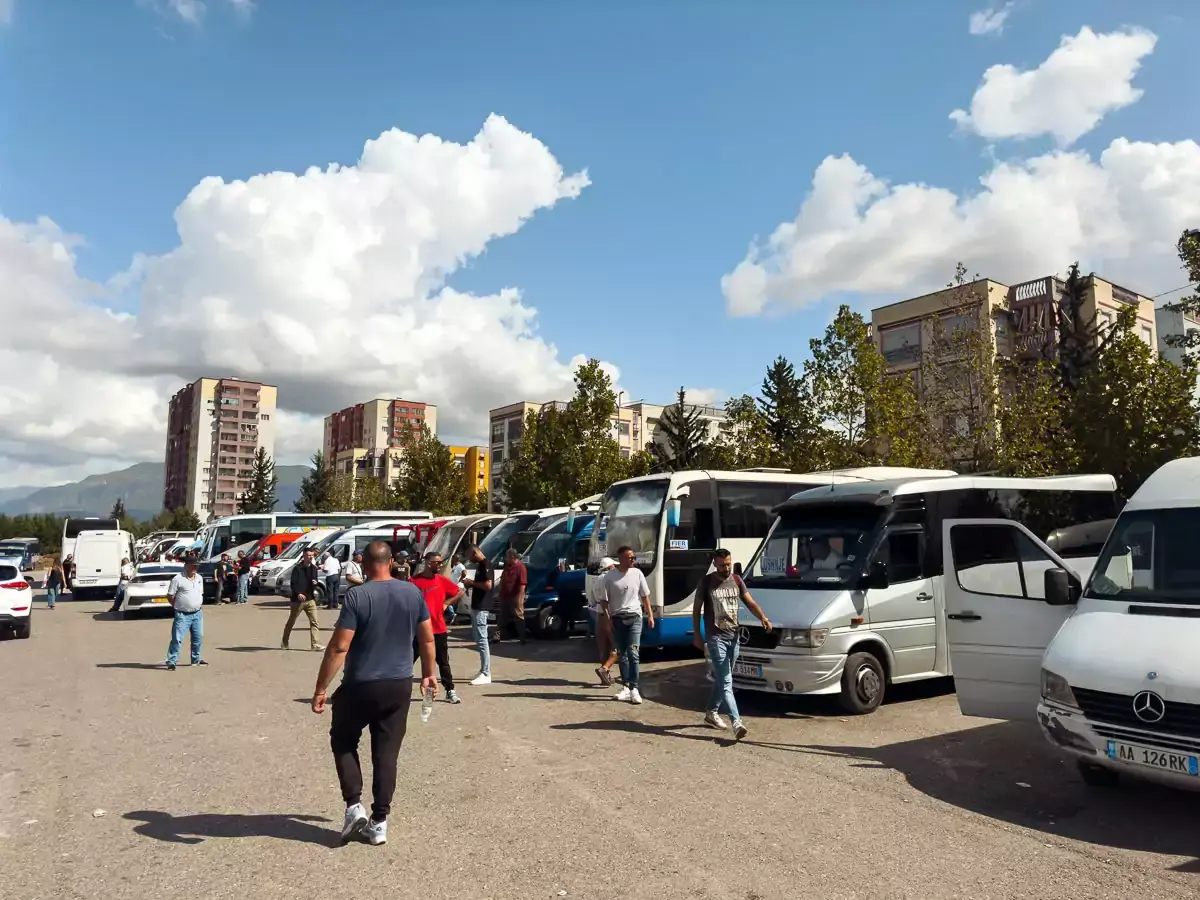
Albania’s intercity minibus network, called furgons, is legitimately cheap. Traveling from Tirana to Berat, roughly 100 km (62 miles), costs 400 to 600 LEK (~$5 to $7.30) depending on the operator. The ride takes about two hours. The friction point is finding your bus, because Tirana now spreads its departures across more than one terminal.
- South and North Bus Terminal (Terminali i Autobusave të Jugut dhe Veriut): the main hub for Berat, Gjirokastër, Shkodër, Durrës, Vlorë, and Sarandë. Not walking distance from the center.
- East Bus Terminal (Terminali Lindor, at the TEG shopping center): serves Elbasan, Pogradec, Korçë, and international coaches toward Ohrid.
- International Terminal: separate again, for cross-border coaches.
Confirm which terminal your route leaves from before you set out, because arriving at the wrong one costs an hour. For the South and North Terminal, take city bus line L5B (Instituti–Qendër) or any bus signed “Instituti” or “Kamëz” from the stop on Rruga e Barrikadave behind the opera house. Any city bus ride in Tirana costs a flat 40 LEK (~$0.50), paid in cash to the conductor on board. A taxi to the terminal runs roughly 500 to 700 LEK.
When you arrive at the terminal, brace for organized chaos. Drivers and operators will approach you directly, calling out destinations like Berat or Shkodër, steering you toward the correct, often unmarked van. It is louder and more informal than anything you will find in Western Europe, but it works. If you would rather not gamble, Gjirafa Travel now sells advance seats online for many intercity routes, which is worth doing in July and August when popular departures fill early.
One more saving most guides skip: the airport. The shuttle from Tirana International Airport into the city center costs 400 LEK (~$5) and runs roughly hourly. A taxi for the same trip is €25 to €30 (~$28 to $34).
Renting a car: the real cost
Online quotes for renting a car in Albania look attractive at $23 to $57 per day for a compact vehicle, dropping toward $17 in the off-season and climbing in August. An SUV, which you genuinely want for Theth or Valbona, runs $57 to $80 in low season and $91 to $125 in July and August. The headline rate is not the number that matters.
Basic third-party liability is included by law. Collision Damage Waiver is where the real cost hides. Desk CDW costs $9 to $17 per day, but standard CDW leaves you carrying an excess of €800 to €1,200 (~$910 to $1,370), and it almost universally excludes tires, glass, and undercarriage damage. On Albania’s mountain roads, those three exclusions cover the majority of what actually goes wrong. Super CDW that drops the excess to zero is sold at the counter for $22 to $30 per day. A third-party annual excess policy from a specialist insurer costs around $70 for a full year and covers every rental you take, which is the cheaper play if you travel more than once. Note that excess cover applies to the vehicle only and sits alongside, not instead of, standard travel insurance for Albania.
Two more line items US travelers routinely miss. Bring an International Driving Permit, available from AAA for about $20, and bring a credit card with at least €1,500 of available headroom, because most companies place a deposit hold rather than accepting a debit card. If you are under 25, expect a young driver surcharge of roughly $4 to $8 per day. Fuel runs about €1.15 to €1.45 per liter, which works out to roughly $5 to $6.25 per US gallon.
If your itinerary crosses into Montenegro, Kosovo, or North Macedonia, budget for two separate charges that guides frequently conflate. The Green Card insurance certificate costs €30 to €50 (~$34 to $57) through your rental company, or about €15 (~$17) bought directly at the border. On top of that, most Albanian companies levy a cross-border permit and paperwork fee of €30 to €60 (~$34 to $68). Budget $80 to $125 for the pair. You must declare the crossing at booking, because driving out unannounced voids your coverage entirely. The good news: digital PDF Green Cards are now accepted by Albanian and Montenegrin authorities, so you no longer need the physical document, though printing a backup costs nothing. Greece is the exception, as many Albanian rental fleets prohibit entry outright.
Pro Tip: On a 7-day rental, desk-bought full coverage alone adds $154 to $210 to your total. Decide on your insurance strategy before you land, not while a rental agent is holding your passport at the counter.
How much does the Lake Koman ferry cost?
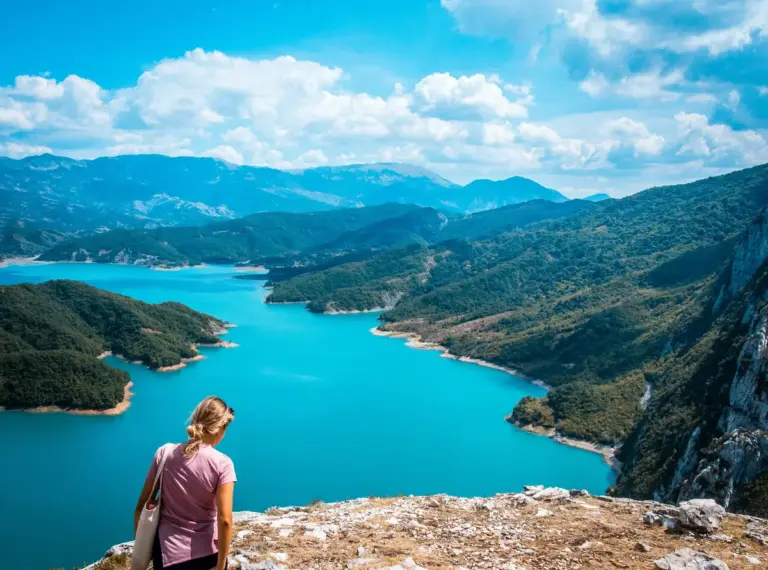
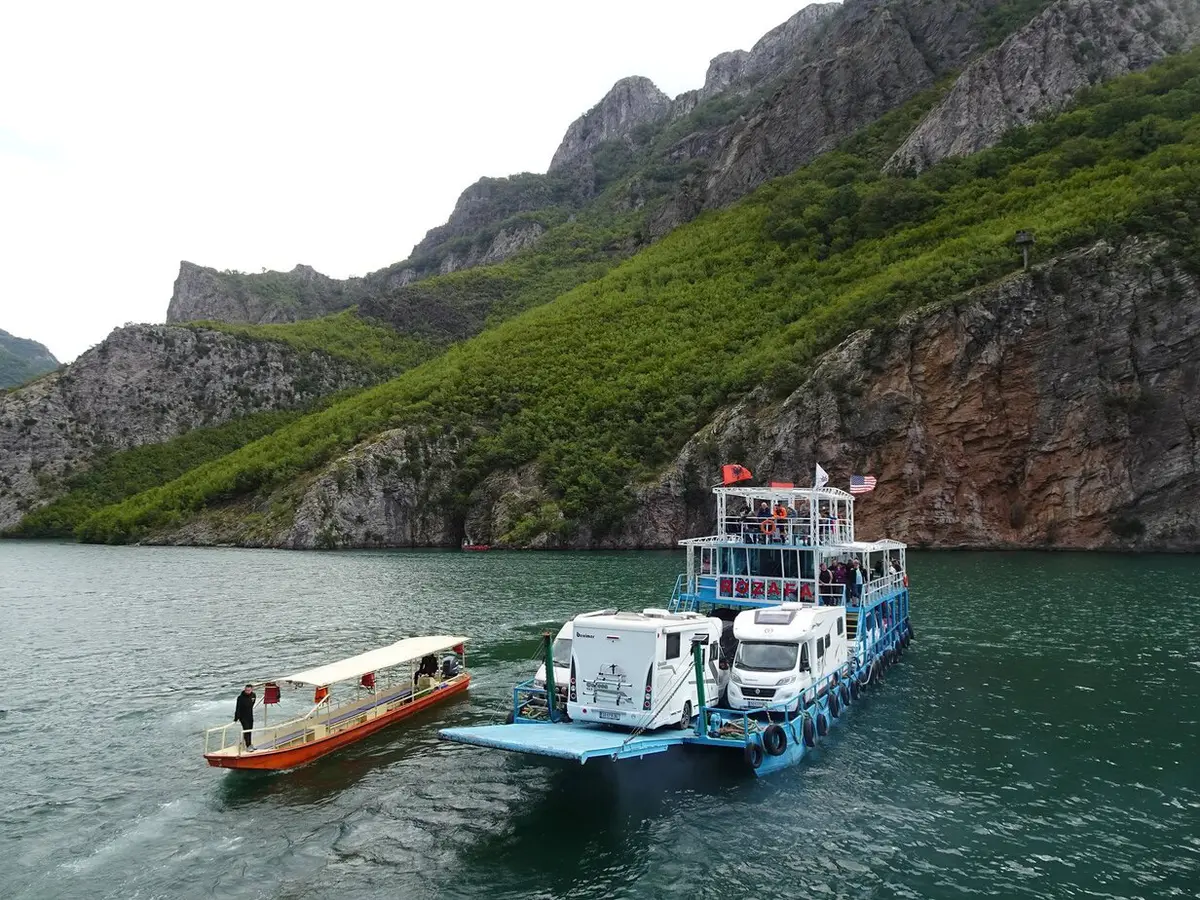
The Lake Koman ferry costs about $10 to $12 per foot passenger with the main operator, rising to roughly $17 to $23 on the premium boat, with vehicles priced dynamically at €7 to €8 per square meter (~$8 to $9). This ferry connects the northern mountain region with the rest of the country and is one of Albania’s most photographed transit routes. It runs seasonally, roughly mid-April through early November. Here is how the operators compare.
- Berisha: the workhorse. Around €8.80 (~$10) booked online or €10 (~$11.40) in cash at the dock. Three decks, a small café, and space for only about five cars per sailing, which is exactly why the vehicle deck sells out in July and August. Departs Koman at 9:00 AM, returns from Fierza at 1:00 PM.
- Rozafa: from about €10 (~$11.40) for passengers, vehicles from €7 per square meter. Online booking available.
- Alpin: the newer, more comfortable boat, at roughly €15 to €20 (~$17 to $23) per passenger and about 850 LEK per square meter for vehicles. Schedule is less consistent and it often takes cash only at the dock.
- Dragobia: a passenger-only sister boat that runs year-round, which makes it the option outside the main season.
Bicycles run roughly €10.60 to €12 (~$12 to $14) and motorcycles €18.50 to €21 (~$21 to $24). Transporting a car is where travelers get confused, because the ferry charges by surface area, not by vehicle class.
The formula is vehicle width in meters multiplied by vehicle length in meters, multiplied by the operator’s rate per square meter. Here is what that looks like for a standard compact measuring 1.5 meters wide by 3.2 meters long, a surface area of 4.8 square meters.
- Pay in cash at the dock: €8 per square meter totals €38.40 (~$43.80).
- Pay online in advance: €7 per square meter totals €33.60 (~$38.30).
That is roughly $5.50 saved for about five minutes of pre-planning, and it is on top of the discount most operators apply to the passenger fare for online payment.
Pro Tip: The ferry sells out in peak summer, and the car deck sells out first. Book online regardless, because you lock in the lower rate and secure your slot at the same time. Save the PDF ticket offline, since cell signal at the Koman dock is unreliable.
Realistic daily budget tiers (what it actually costs now)
The €20 per day figure that still circulates on travel forums is pure fiction. With more than ten million visitors arriving annually and coastal infrastructure straining to keep up, prices have risen sharply, heavily impacting your total Albania travel cost. Here is the honest breakdown, per person, per day.
- Budget or backpacker tier: $35 to $55 per day. Hostel dorms, street food, bakeries, and public transit. This is the absolute floor, and it requires strict financial discipline.
- Mid-range tier: $60 to $105 per day. Private rooms at guesthouses or 3-star hotels, sit-down meals, a mix of buses and occasional taxis. This is the most realistic tier for independent travelers.
- Luxury tier: $170 to $290 or more per day. Boutique coastal hotels, private transfers, seafood dinners, and premium beach clubs. Prices in this tier rival Western Mediterranean destinations during peak season.
Full 7-day trip cost calculator (2 people, excluding airfare)
These totals assume a standard capital-plus-south loop, which is the route mapped out day by day in our 7 days in Albania itinerary.
| Expense category | Budget | Mid-range | Luxury |
| Accommodation | $170–$300 | $320–$650 | $1,190–$2,100+ |
| Food and dining | $154–$210 | $280–$430 | $700–$1,050+ |
| Transportation | $60–$90 | $110–$200 | $290–$500+ |
| Activities and beaches | $50–$90 | $60–$110 | $130–$280+ |
| Connectivity and misc. | $56–$80 | $70–$80 | $70–$130+ |
| Estimated total | $490–$770 | $840–$1,470 | $2,380–$4,060+ |
One reason the activities line stays small at every tier: Albania’s heritage sites are almost free. Berat Castle costs 200 LEK (~$2.44), Gjirokastër Castle 400 LEK (~$4.88), and most museums land between 200 and 400 LEK. A full week of UNESCO towns and Riviera sightseeing rarely exceeds $40 per person in admissions.
The regional price divide: Ksamil vs. Himarë
Where you travel matters more than how you travel. Your destination within Albania will dictate your daily spend more than any other single decision. The Albanian Riviera is not a monolith, and it spans a wide cost spectrum.
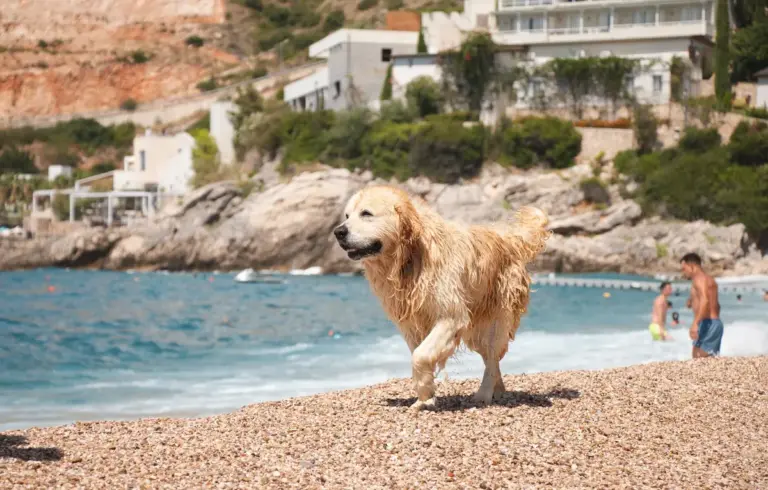
First, a legal point that saves arguments on the sand. Every beach in Albania is public by law. No operator can charge you an entrance fee to walk onto a beach or swim. What they can do is fill the usable sand with loungers, and in Ksamil they have done exactly that, which leaves free towel space technically legal but practically scarce after about 11:00 AM in peak season.
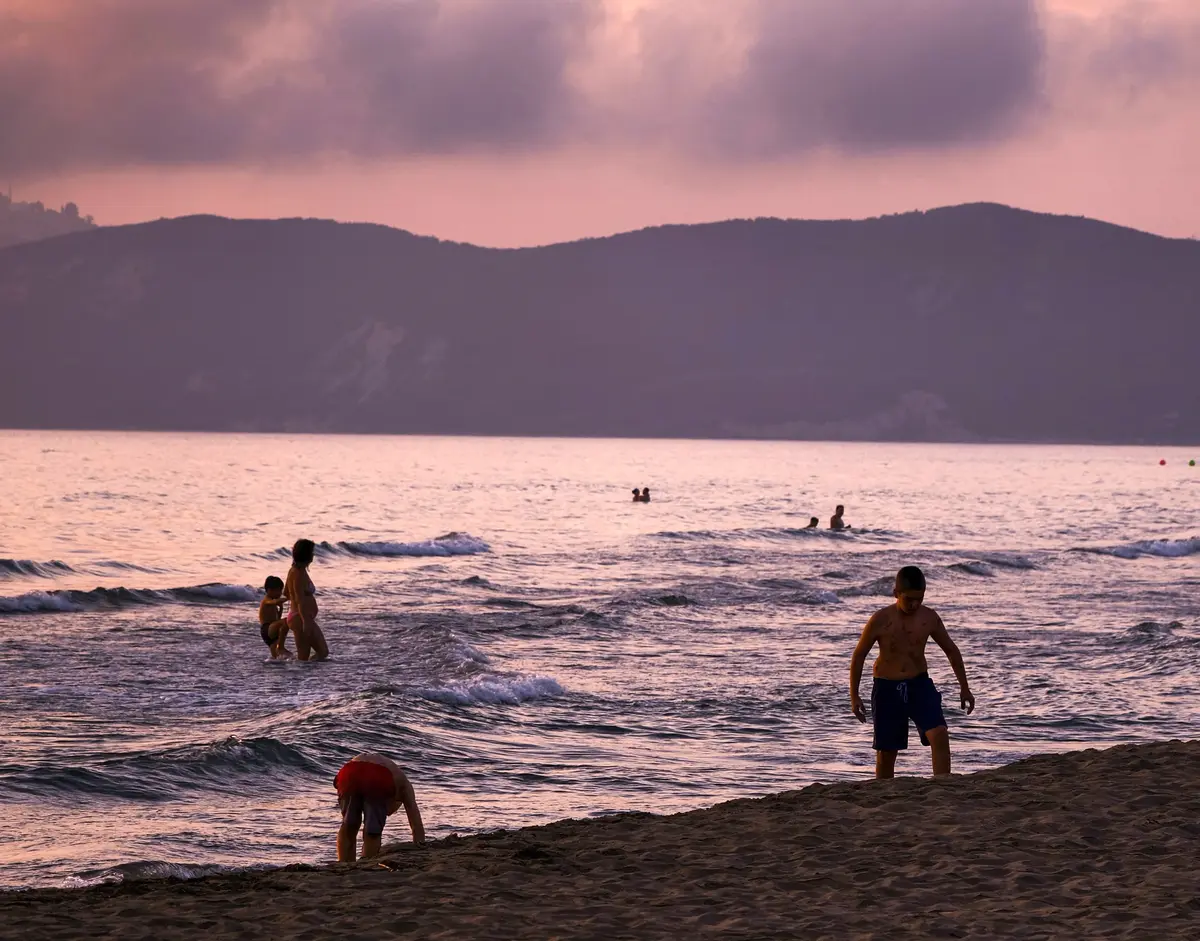
Ksamil sits at the expensive end. The turquoise water is genuinely extraordinary, and the sand quality is the best in the country. The trade-off is a beach economy built on sunbed rental.
- Location: Southern tip of the Albanian Riviera, roughly 17 km (11 miles) south of Saranda, about 30 minutes by road. Local buses from Saranda cost around 150 LEK (~$1.80).
- Sunbed cost: A standard set of two loungers plus an umbrella runs 2,000 to 3,000 LEK (~$24 to $37) in the town center during peak summer. Quieter beaches away from the middle drop to 800 to 1,500 LEK (~$10 to $18). Premium front-row placements reach 4,000 LEK (~$49), and private cabanas at the top clubs hit 7,000 LEK (~$85).
- Best for: Travelers prioritizing aesthetics over budget.
The surrounding town suffers from relentless construction. The concrete dust and jackhammer noise from half-finished apartment blocks sit in direct contrast to the prices the finished resorts are charging. Recent visitor reports also flag increasing litter and aggressive verbal pricing, where rates are quoted rather than posted. Ask before you sit down. If you are picking a base for the far south, it is worth weighing Saranda and Ksamil side by side before you book anything.
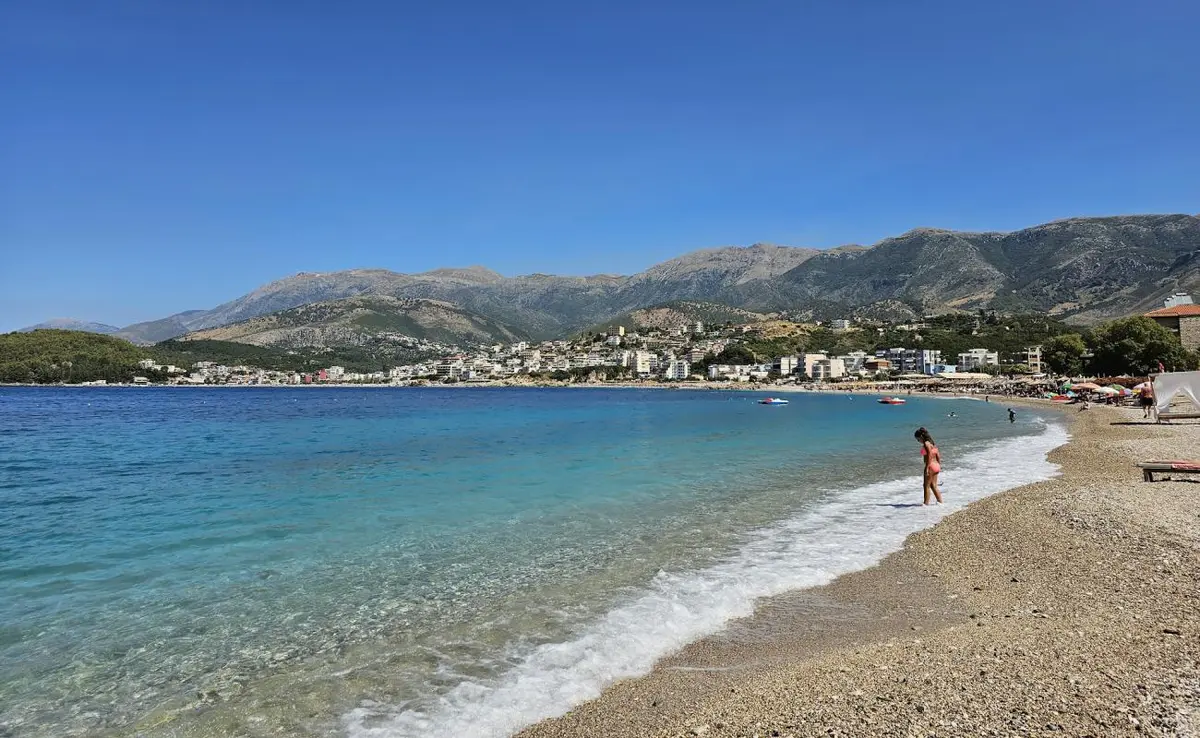
Himarë is the strategic alternative. The coast is equally beautiful, the vibe is considerably more relaxed, and the infrastructure has not been fully commercialized yet. Potami Beach, a short walk south of town, has beach clubs along the back of the sand, but the stretches between them stay free, and the underwater freshwater springs that give the beach its name keep the water noticeably clearer than the surrounding coast.
- Location: Central Albanian Riviera, about 1.5 to 2 hours north of Saranda on the winding SH8 coast road.
- Cost: Sunbed sets at Spile and Potami run 1,000 to 2,000 LEK (~$12 to $24), roughly half the Ksamil center rate, with free towel space genuinely available. Guesthouses start from about $45 per night.
- Best for: Budget travelers and anyone who finds Ksamil exhausting.
Two levers cut sunbed costs anywhere on the Riviera. Timing is the big one: the same set that costs 3,000 LEK in August drops to 1,500 LEK in early June. And off-peak, prices are negotiable, with 20% to 30% discounts realistic on weekdays in June and September. In August, there is zero flexibility. Borsh Beach deserves a mention as the value outlier, seven kilometers long with club sections at 500 to 1,500 LEK and endless free stretches five minutes’ walk in either direction.
Accommodation: where the real value is
Book a bujtina before a hotel
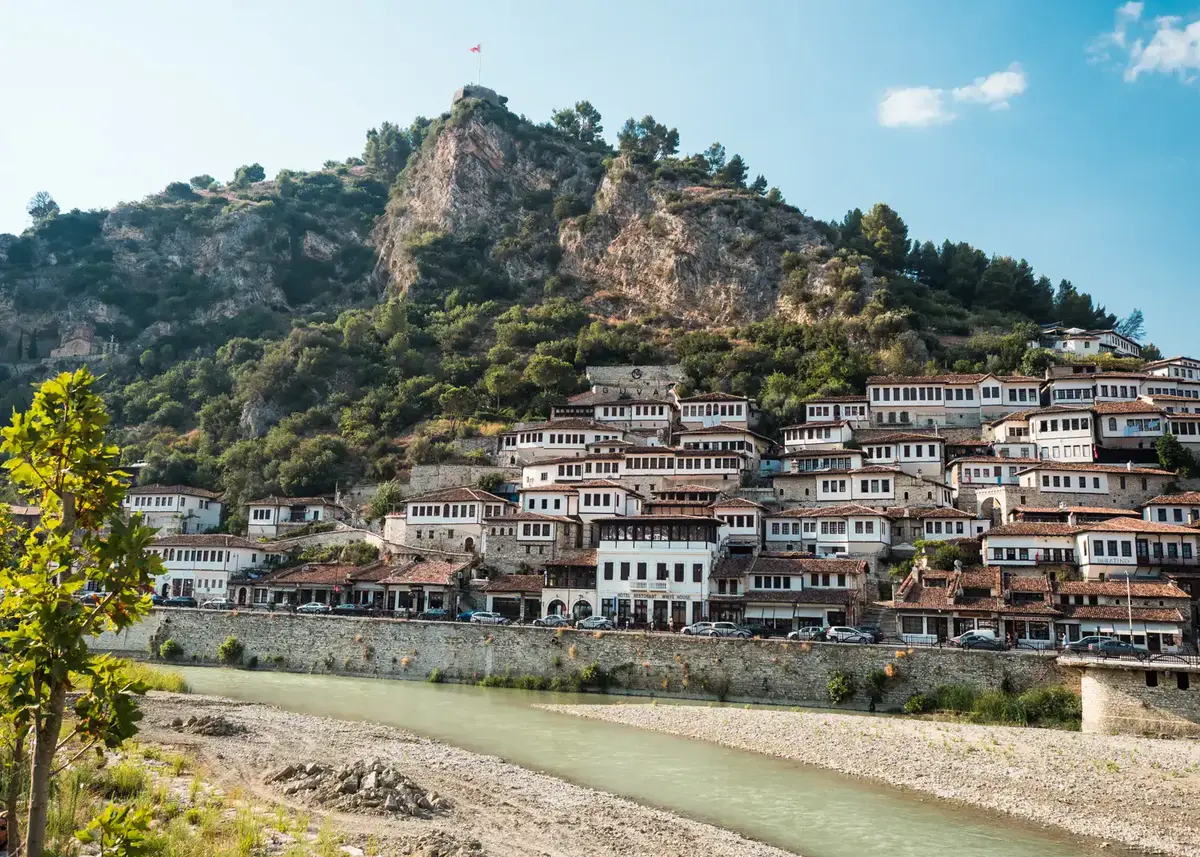
Albania’s traditional guesthouses, called bujtina, are the single best accommodation value in the entire country. In the UNESCO old towns of Berat and Gjirokastër, expect to pay $40 to $60 per night for a private room.
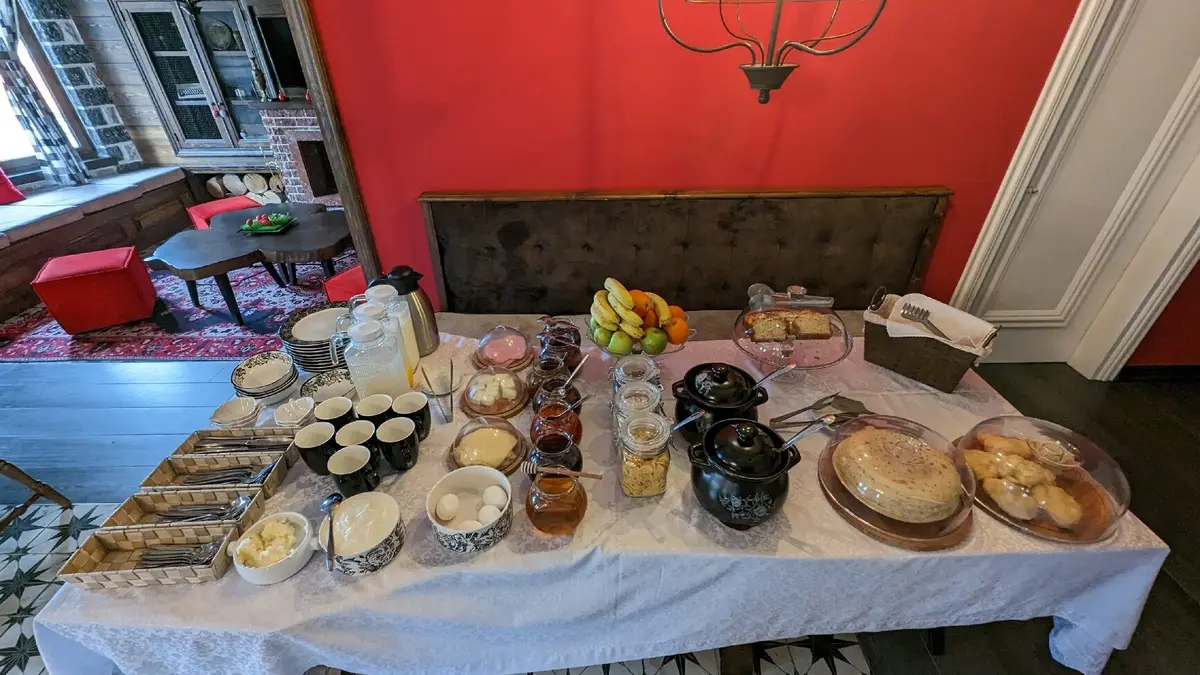
Critically, nearly every bujtina includes a substantial homemade breakfast featuring local cheeses, fresh bread, jams, eggs, and honey. For two people, that breakfast replaces $12 to $18 in daily food spending. Over a 4-night stay, that is $48 to $72 effectively erased from your food budget.
On the southern coast, seasonal price swings are extreme. A room in Ksamil that costs $35 to $45 in November can jump to $130 or more during the last two weeks of July and the first two weeks of August, with better properties clearing $200. Tirana runs the opposite pattern, with city hotels cutting rates by up to 50% in January and February. If you are visiting the coast in peak summer, book months in advance or expect brutal rates.
Pro Tip: Berat and Gjirokastër bujtinas often do not appear on major booking platforms. Search directly on Google or ask at the local tourist information office, because some of the best ones are walk-ins only. Confirm whether they take cards before you arrive, since many are cash-only.
Food costs: a precise menu breakdown
Albanian food is genuinely affordable, but the gap between a street bakery and a coastal seafood terrace is enormous. Here is the full spectrum of what you will actually pay at every level.
- Byrek (savory pastry): $0.60–$1.20
- Sufllaqe (gyro-style wrap): $3–$5.50
- Espresso: $1.30. Cappuccino runs about $1.90.
- Local beer (half-liter, bar): $1.20–$2.40
- Shot of Raki: $1.20
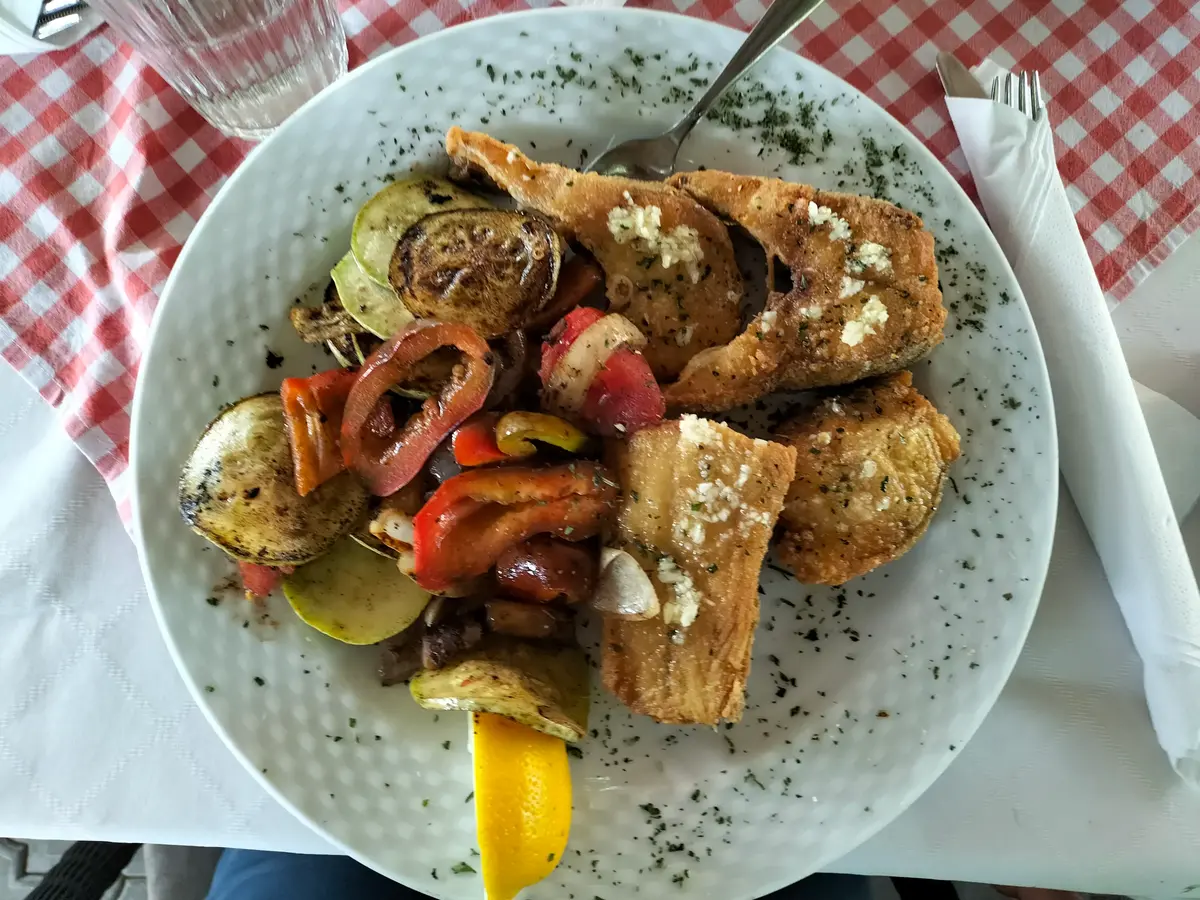
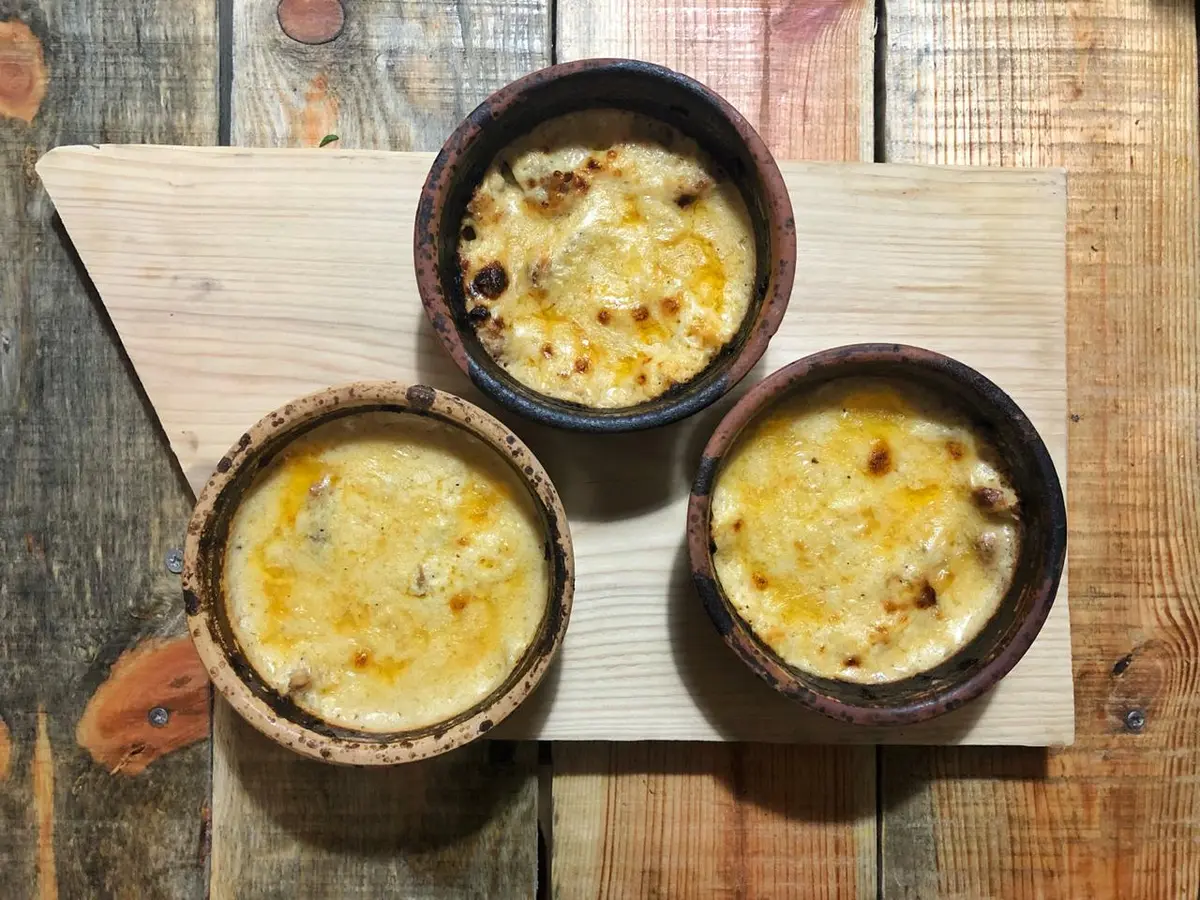
- Sit-down local tavern: $7.30–$12.20 per person for hearty, full meals like Tavë Kosi, Fërgesë, and grilled meats.
- Coastal seafood restaurants in Saranda or Ksamil: Catch-of-the-day plates run $15 to $24 per person, and that is before drinks. This tier behaves much more like Greece than the Albanian interior.
- Three-course dinner at a top Tirana restaurant: around $55 per person, excluding wine.
Pro Tip: If a menu near the water is written only in English and has photos of every single dish, the price will likely be double what a menu written in Albanian charges for the exact same food. Walk one block inland to save cash.
Is Albania on EU roaming plans?
No. Albania is not in the European Union, so EU “Roam Like at Home” rules do not apply and your European or UK SIM will incur international roaming charges. That is changing, though not yet in force: the European Council has authorized negotiations to bring all six Western Balkan countries into the EU roaming area, with Albania named as one of the likeliest first movers. Until those agreements are signed, budget for connectivity as a separate line item.
For US travelers, the numbers are stark. AT&T and Verizon sell international day passes at $10 to $12 per day, so a week costs $70 to $84 before you use a single gigabyte. T-Mobile’s higher-tier plans include free international data throttled to around 256 Kbps, which is functionally unusable for navigation, with a full-speed day pass at about $5. Roam with no pass at all and you fall onto pay-per-use rates of roughly $2.05 per megabyte, which is about $2,050 per gigabyte. A phone left on with background sync alone can burn hundreds of dollars a day at that rate. Turn data roaming off before you land and pick up a local SIM or eSIM instead.
- Best physical SIM or eSIM option: Vodafone Albania’s Tourist Tera Packs, sold at any Vodafone store, at authorized kiosks, and online. The 15-day pack costs 2,700 LEK (~$33) with 1 TB of data and 1,000 national minutes. The 21-day pack is 2,900 LEK (~$35) with 1.1 TB. The 30-day pack is 3,300 LEK (~$40) with 1.2 TB plus 3 GB of roaming in Greece and 20 GB across the Western Balkans, which is the one to buy if your itinerary crosses borders. Buying online is cheaper than buying at a counter, and airport kiosk prices run slightly higher than in-town stores.
- ONE Albania: sells near-identical tourist packs, plus a smaller data option around $19 that is plenty for a city break. Coverage between the two networks is comparable in populated areas.
- Travel eSIMs: short 7-day data passes start around $5 to $8, and 10 GB plans run roughly $13 to $20. Cheaper than a carrier day pass and no kiosk visit, though allowances are far smaller than the local tourist packs.
Pro Tip: Download offline Google Maps for all Albanian regions before you land. Mountain road signage is highly inconsistent and coverage genuinely drops in the Alps and along stretches of the SH8 coast road. You need navigation to work without data, not just when you have a strong signal.
Do you tip in Albania?
Yes, you do tip in Albania, but the mechanics are different and the culture is far less aggressive than in North America. Albania does not operate on a strict percentage-based tipping culture. The local norms are as follows.
- Cafes, casual eateries, and taxis: Round up to the nearest 100 LEK. Leave the coins on the tray. Absolutely nothing more is expected.
- Mid-range to upscale restaurants (Tirana and the Riviera): A 10% tip is considered generous and fully adequate. There is zero social pressure to exceed this amount.
- Hotel housekeeping and porters: Leaving 100 to 200 LEK ($1.20–$2.40) in cash is the standard protocol. Do this in physical notes, not added to a card transaction.
- The Universal Rule: Gratuity must be left in physical cash, even if you paid the bill by card. Tips added digitally or via a card terminal rarely, if ever, reach the actual staff.
Albania is not the twenty-dollar-a-day fantasy that outdated blog posts still promise. But it remains one of the most rewarding value destinations in the Mediterranean when approached with accurate expectations and solid logistics.
The budget-conscious mid-range traveler booking bujtinas in Berat, eating byrek for breakfast, and taking furgons between cities can still do a week here for well under $1,500 for two people, all-in. That is a genuinely difficult number to match on any comparable coastline in Europe.
The single most important step before you fly is to set up a fee-reimbursing checking account, sort your connectivity before you land rather than after, and download your offline maps. Keep your Albania travel cost in check, and the rest of the country will take care of itself.