Agrotourism in Albania means eating what was picked that morning and drinking wine pressed 30 feet from your table — for a fraction of Italian rates. But the farms reward travelers who come prepared: a rental car, a stack of lek, and a reservation. Here’s how to do it right from the US.
First, the Non-Negotiables: A Rental Car and Cash in Lek
Most Albanian agrotourism farms sit in villages with no public transport and dirt access roads, and the majority take only cash in Albanian lek. Rent a car at Tirana airport, download offline maps before you lose signal, and pull out enough lek in the city. That one decision sets which farms you can actually reach.
The country’s furgon minibuses connect towns, not farmhouses. Ride-hailing barely exists — Uber doesn’t operate in Albania, and the local taxi apps that work in Tirana won’t send a car to a vineyard 90 minutes away. A rental is the practical way in, and for most of the good farms it’s the only way.
Cards work at the top tier — Mrizi i Zanave, Uka Farm, the city restaurant Mullixhiu — but plenty of family-run places are cash-only, and ATMs thin out fast once you leave the main roads. Withdraw more lek than you think you need before heading into the hills.
- Rent at: Tirana International Airport, in the arrivals hall
- Pay with: cash in lek at most farms; cards only at the upscale tier
- Withdraw before: leaving Tirana or a regional hub, since village ATMs are scarce
- Navigation: download offline maps, because signal drops in the valleys
Pro Tip: Ask your rental company whether they want an International Driving Permit. Your US license is valid for non-residents, but some airport agencies ask for the IDP anyway, and it’s a small formality you can only arrange at home before you fly.
What Does “Agroturizëm” Actually Mean in Albania?
Agroturizëm is Albania’s word for working-farm tourism: a family vineyard, olive grove, or livestock farm that feeds guests and often puts them up for the night. Under the country’s certification rules, a certified agrotourism farm has to grow a real share of what it serves on site and keep both lodging and active farmland.
That certification line matters more than it sounds. It’s the difference between a genuine farm and a countryside restaurant with a nice view. On a certified operation, the cheese, the raki, the vegetables, and often the meat come from the land you’re looking at, not a wholesale truck.
The government has leaned into this hard, tying grants and a national label to the sector. Albania has more than 270 agritourism operations, only around 25 of them fully certified, so the label is worth checking if a true working farm is what you’re after.
Not every place stages the farm work for visitors, either. At Lulebore, a four-room farmhouse deep in the northern mountains, the chores happen because the family needs them done, not because a tour bus is coming. That’s the tell of the real thing.
How Albania’s Farm-Stay Boom Happened
Two things turned a scatter of rural guesthouses into a movement. The first was emptying villages: decades of people leaving the countryside for cities and for jobs abroad left farmland idle and old stone houses shuttered.
The second was a government bet to reverse it. A program branded “100 Villages” pulled several ministries behind rural tourism, and the national rural development agency began covering a large share of farm investment — up to half the value of a qualifying project. Farmers who had never hosted a stranger started building guest rooms.
International attention followed. Albania served as the host country at ITB Berlin, Europe’s largest travel trade fair, under the line “Albania All Senses,” and the winery-guesthouse Alpeta landed on TIME’s World’s Greatest Places list. For a US traveler, the upshot is simple: the infrastructure is now good enough to plan a real farm trip, but new enough that it hasn’t been flattened into a tourist product yet.
The Farms Worth the Drive, Region by Region
There are hundreds of options, and a lot of guides just list them. More useful is to know which farms justify the mileage and where each one fits into a route. These are the anchors, north to south.
North: Mrizi i Zanave, Near Lezhë
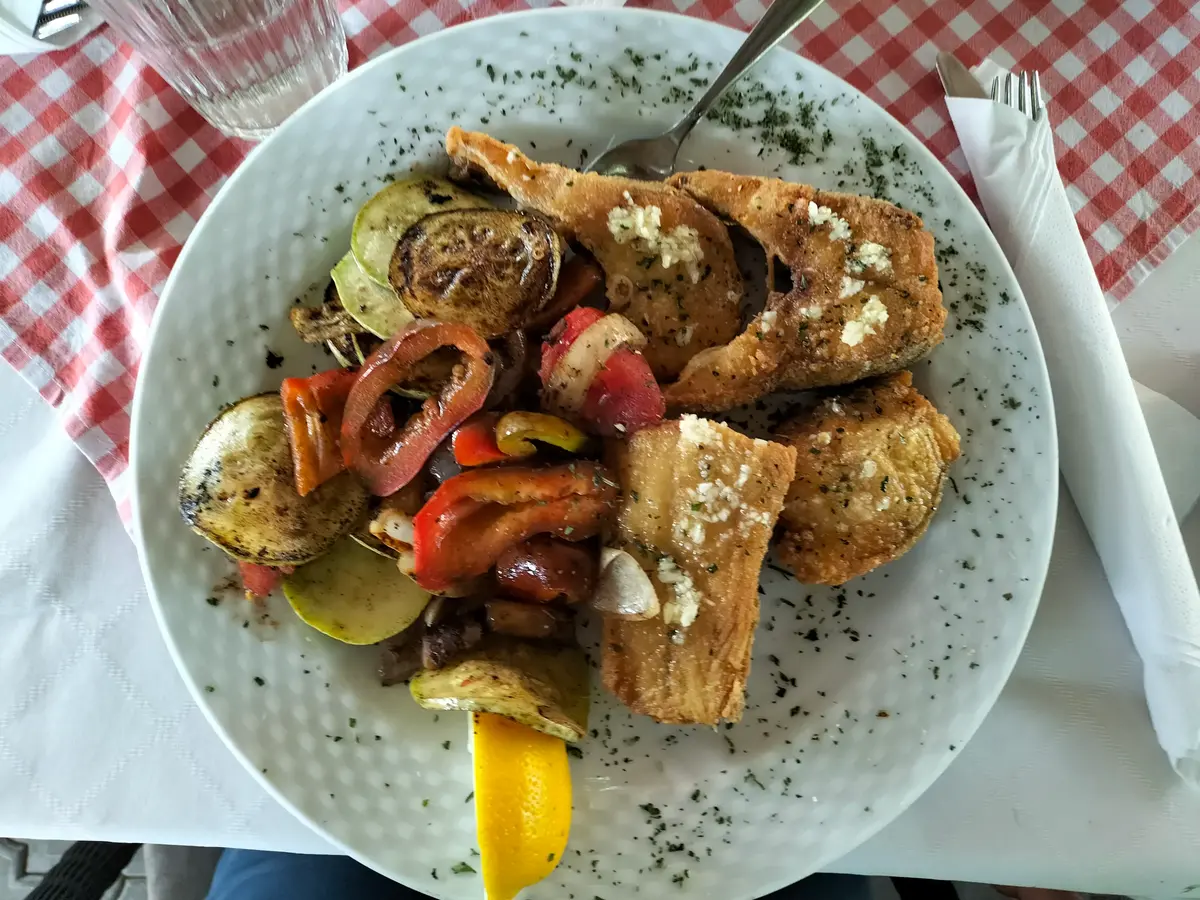
Mrizi i Zanave is the farm that started the conversation. Chef Altin Prenga came home from Italy and built a restaurant, winery, and distillery on the family land near the village of Fishtë, about 38 miles (61 km) north of Tirana. There’s no printed menu — servers come to the table and recite the day’s eight to ten seasonal courses, and you eat whatever the farm and its neighbors brought in that morning.
It’s a farm at real scale: Prenga has said the operation works with more than 400 local families who supply it year-round. There’s a daily goose parade at dusk, when the vineyard’s pest-control geese waddle back to roost. Nine guest rooms sit above the restaurant, and campervans can overnight in the lot.
The honest caveat: success has a cost. Some local diners grumble that quality slipped as volume grew, that the cheese and jams don’t taste the way they used to. Weekends are the culprit. The restaurant seats around 250 and can serve 500-plus on a Saturday; come Tuesday through Thursday and it’s a different, better experience. Reservations are by phone or email only, with no online booking.
- Location: Fishtë, near Lezhë, about 90 minutes north of Tirana
- Cost: rooms from around $50, doubles near $80 with breakfast; a full meal runs about $18-30 per person
- Best for: first-timers who want the definitive Albanian farm feast, and families (kids are welcome)
- Time needed: a long lunch, or an overnight to slow down
- Booking: phone or email, ideally midweek
Pro Tip: One diner with limited English said the recited menu went straight out of his head, so he ordered on faith and still ate and drank well for about $30. If your Albanian is nonexistent, relax and let the kitchen decide. That’s half the point here.
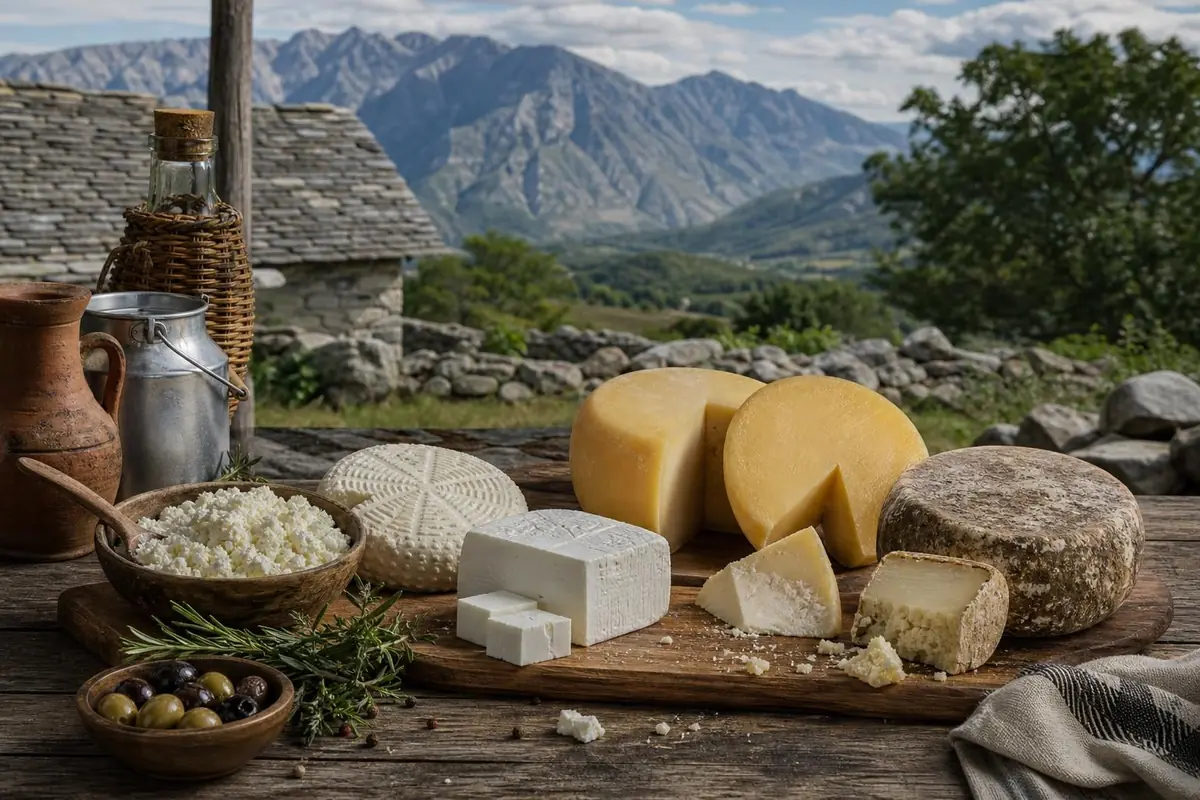
By the Airport: Uka Farm in Laknas
Uka Farm is the easiest agrotourism meal in the country to reach — it sits minutes from Tirana’s airport in Laknas, roughly 20 minutes from the city center. Founded by an entomologist and former agriculture minister, and run by his son Flori Uka, it’s an organic farm and winery pouring indigenous Albanian grapes like Kallmet, Pulës, and Ceruja that you won’t find on many wine lists back home.
Here’s the correction worth making, because a lot of guides get it wrong: Uka is a meal, not a farm stay. There are no verified guest rooms. Treat it as your first lunch off the plane or your last dinner before a morning flight. Regulars single out a waiter often called Freddy, who walks tables through every dish and pour. Not everyone is sold — one reviewer called it overpriced for what amounts to food you can find cheaper around Tirana — so keep expectations at “excellent farm lunch,” not “religious experience.”
- Location: Laknas, near Tirana International Airport
- Cost: a meal runs about $17-30, up to $40 with wine pairings
- Best for: a first or last meal bookending a trip, and wine drinkers
- Time needed: 1.5-2 hours over lunch
- Stay overnight? No, dining only
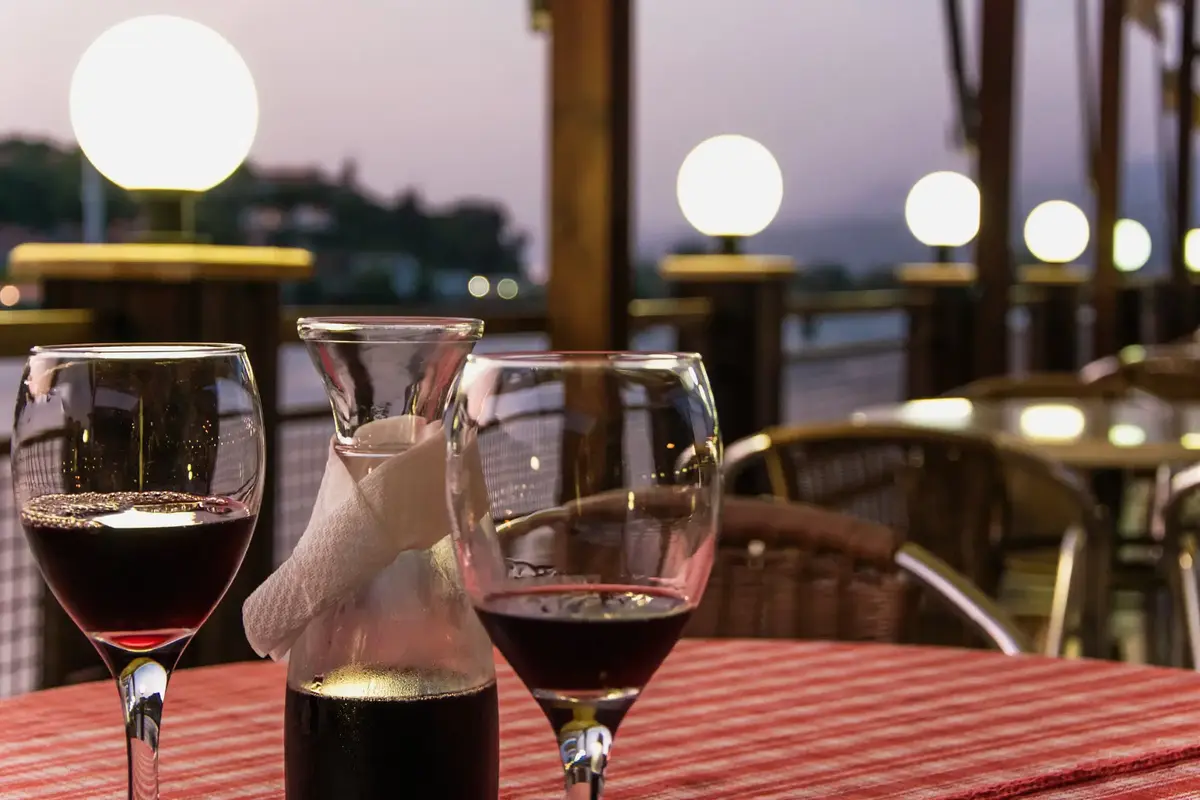
Central Wine Country: Alpeta, Near Berat
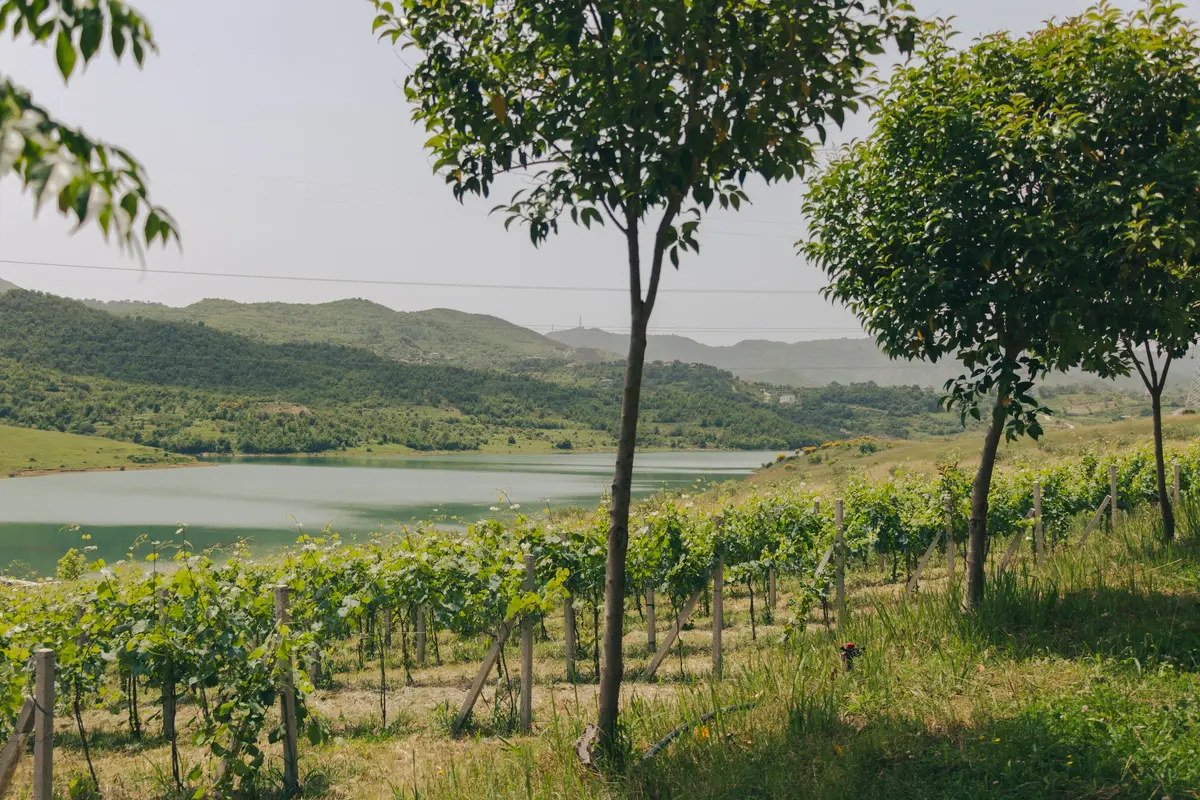
South of the capital, near the UNESCO-listed old town of Berat, the Fiska family runs Alpeta — a guesthouse and winery in the village of Roshnik, roughly 6-8 miles (10-13 km) from Berat and about two hours from Tirana. This is the one with the TIME World’s Greatest Places nod, and it earns the drive by pairing wine tastings with real hikes: the Sotira waterfall and the long climb toward Mount Tomorr are both within reach.
Rooms are simple and the wine is the point. Pair a night here with a day wandering Berat’s stacked Ottoman houses and you have one of the better 48-hour stretches in the country.
- Location: Roshnik, near Berat, about 2 hours from Tirana
- Cost: rooms from roughly $50-85 per night
- Best for: wine-and-hiking couples, and a Berat pairing
- Time needed: an overnight
- Cards: expect cash, and confirm ahead
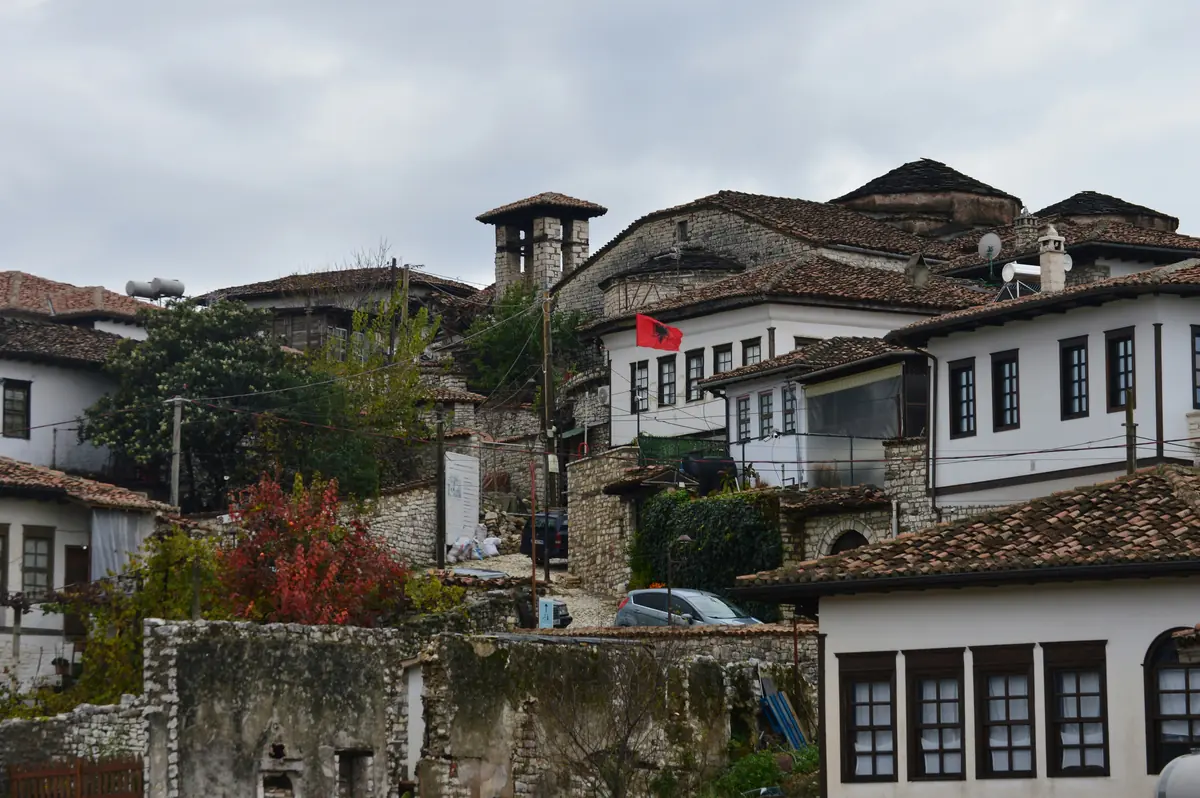
The South: Përmet and the Zagoria Valley
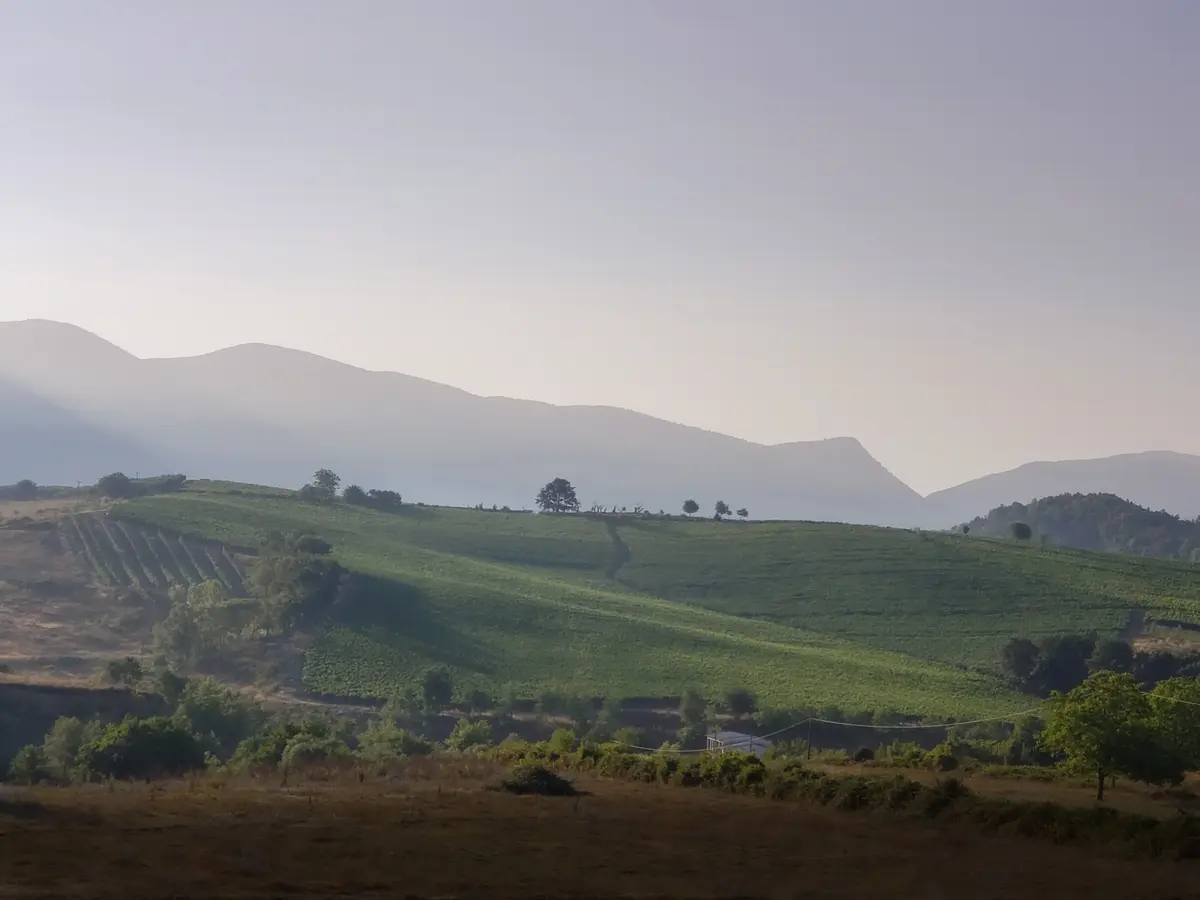
Albania’s most developed cluster of farm homestays is in the deep south, around Përmet and the Zagoria valley — a landscape of the wild Vjosa river, thermal springs at Lengarica canyon, and stone villages where families let rooms and cook from the garden. Travelers describe them consistently: simple, clean, welcoming, private rooms with shared facilities, and a host who pours raki before you have put your bag down.
This is also the one region where you can sometimes get away without a reservation off-peak, and where a farm stay slots naturally into a hiking trip. The valley is at its best in late spring, when the meadows flower, and at harvest time in autumn; midsummer is too hot for most of the walking.
- Location: Përmet and the Zagoria valley, southern Albania
- Cost: homestays roughly $35-55 per night, often with meals
- Best for: hikers, slow travelers, and anyone pairing farms with the Vjosa
- Time needed: 2-3 nights to justify the drive south
- Cards: cash only, so plan accordingly
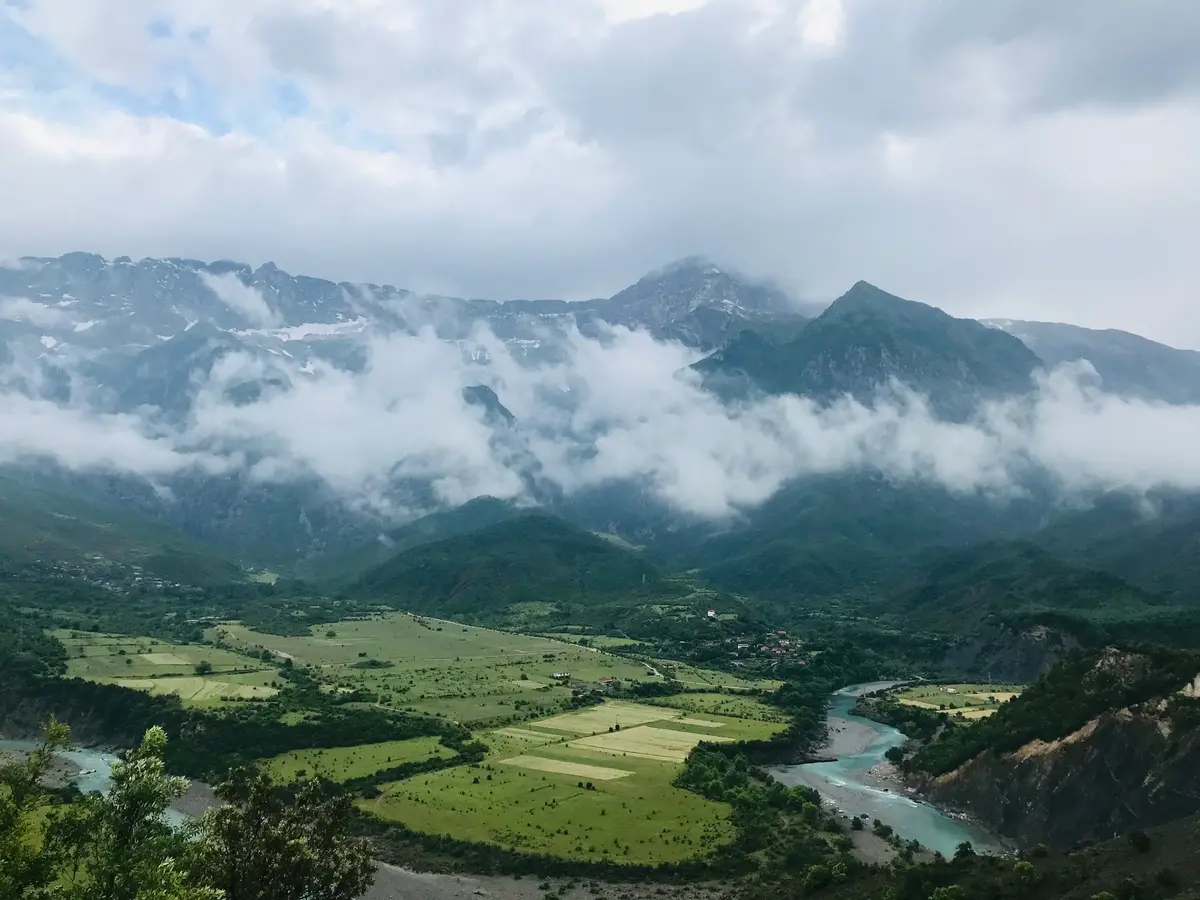
The Mountains: Valbona, Theth, and Farms You Reach on Foot
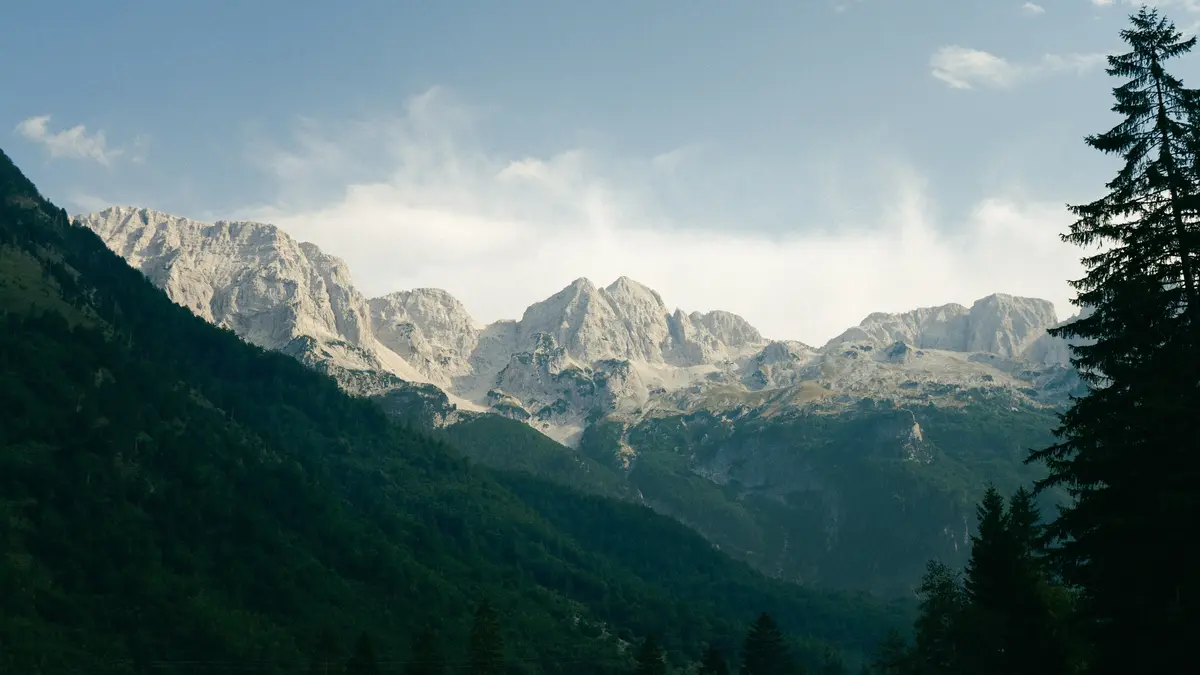
The far north is where agrotourism gets rugged. Some of the most memorable places aren’t drivable at all. Stani i Arif Kadris, above Dragobi in the Valbona valley, is a working homestead reached on foot. Lulebore, in the Accursed Mountains, takes a boat across a lake and then a 4×4 — four rooms, one shared bathroom per floor, and, as the family puts it, just a few wolf howls at night.
These are not for travelers who want a private bath and a wine list. They’re for hikers already walking the Theth-to-Valbona route who want to sleep on a real farm along the way. Expect shared bathrooms, hearty food, and no cell signal.
- Location: Valbona and Theth, in the northern Albanian Alps
- Cost: budget, cash only
- Best for: hikers on the Theth-Valbona trail, and travelers after the rustic version
- Time needed: built into a multi-day trek
- Access: some farms are foot- or boat-only
Here’s how the anchors stack up side by side:
| Farm | Region | Drive from Tirana | Stay or dine | Price band (USD) | Cards | Book ahead |
|---|---|---|---|---|---|---|
| Mrizi i Zanave | North (Fishtë) | ~90 min | Both (9 rooms) | $50-80 room / $18-30 meal | Yes | Essential, midweek |
| Uka Farm | Near airport | ~20 min | Dine only | $17-40 meal | Yes | Recommended |
| Alpeta | Central (Roshnik) | ~2 hrs | Both (guesthouse) | $50-85 room | Cash likely | Recommended |
| Përmet / Zagoria | South | ~3.5-4 hrs | Both (homestays) | $35-55 room | Cash | Off-peak flexible |
| Valbona / Theth | Far north | 3-4 hrs + hike | Both (rustic) | Budget | Cash | Yes, few rooms |
What Does an Albanian Farm Stay Cost in US Dollars?
Expect roughly $35-55 a night at the budget end, $55-80 mid-range, and $100-135 for the upscale properties — usually with breakfast, often with dinner. A multi-course farm meal runs about $18-30 a person. At around 80 to 85 lek to the dollar, that’s real value next to Italian or French agriturismo, though the top tier isn’t pocket change.
A few cost realities the glossy guides skip before you fold farms into a wider Albania travel budget:
- Meals are frequently bundled. Many farms quote demi-pension, or half board, which combines the room, breakfast, and dinner, and that’s where the value really shows.
- Wine tastings usually add $10-20 on top.
- The upscale end is upscale. A half-board night for a couple at a premium place can run north of $130, and a few newer farm hotels are priced like city hotels. “Cheaper than Italy” is true on average, not everywhere.
The exchange rate drifts — it has sat in a band of roughly 80 to 85 lek per dollar — so check a live converter like Xe before you go and budget on the weaker end to be safe.
How Do You Get to Albania From the US?
There are no nonstop flights from the US to Tirana; you’ll connect through a European hub such as London, Vienna, Frankfurt, Istanbul, or Rome. US citizens can enter visa-free and stay up to a year. Rent a car at the airport — it’s the only realistic way to reach most farms once you land.
Round-trip fares from the US typically land somewhere around $600-800, dip to the $350-570 range off-peak, and spike past $1,000 in high summer. Whichever hub you route through, budget a full travel day each way.
On entry, US citizens don’t need a visa and can stay up to one year without a residence permit — one of the most generous rules in Europe — as long as the passport is valid for at least three months, with six the safer habit. To reset that one-year clock, you would have to spend 90 days outside the country. The official word is on the U.S. Embassy in Albania site, worth a look before you fly, since entry rules do change.
Your US driver’s license is valid while you’re a non-resident, though some rental agencies still ask for an International Driving Permit. Furgons and taxis exist, but they won’t get you to a farmhouse down a dirt lane, so plan on driving yourself.
When Is the Best Time for an Albania Farm Trip?
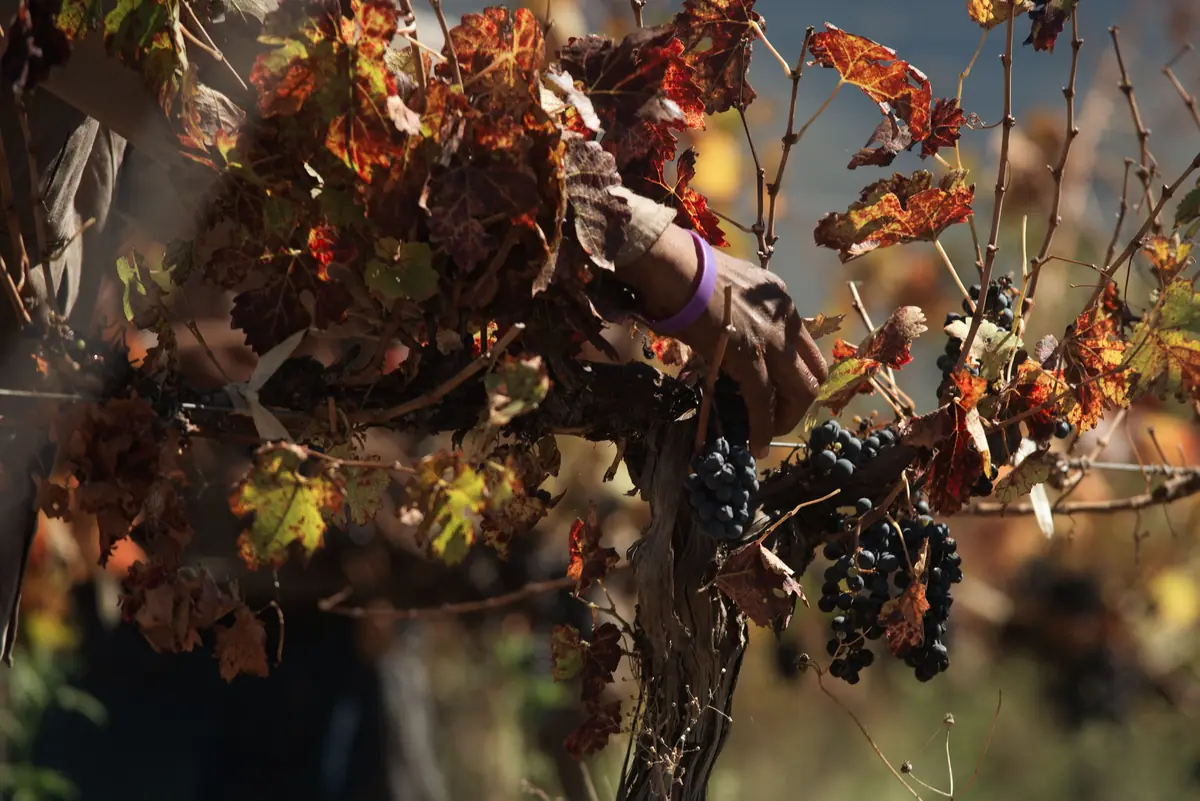
The best time to visit Albania for farms is late April through June and September through October — warm, uncrowded, and lined up with the harvests. September brings the grape harvest; October and November the olives and walnuts. July and August are hot and pricier, and many mountain farms close from December through March.
The reason to care about the calendar isn’t only the weather — it’s whether you can join in. Time it to a harvest and you might press grapes or pick olives; show up in deep winter and the mountain places are shuttered.
- Late April to June: wildflowers, mild days, spring vegetables and dairy
- September: grape harvest, the marquee moment for the wineries
- October and November: olive harvest and walnut gathering
- July and August: hottest and busiest, when inland can top 86°F (30°C) and the coast climbs into the mid-90s°F (mid-30s°C)
- December to March: many northern and mountain farms close
Coastal and central farms have a longer usable season than the high-mountain ones, which live and die by the hiking window.
Is Agrotourism in Albania Safe for US Travelers?
Albania is broadly safe for visitors. The US State Department places it at its “exercise increased caution” tier — the same level applied to much of Western Europe — mainly over crime, which is largely urban and after dark. Anti-American feeling is rare. For farm travelers, the real hazard isn’t crime; it’s the rural roads.
Street crime concentrates in cities at night and runs to theft rather than violence, and Americans are generally well received. Check the current State Department advisory before your trip for any live alerts, since these get updated.
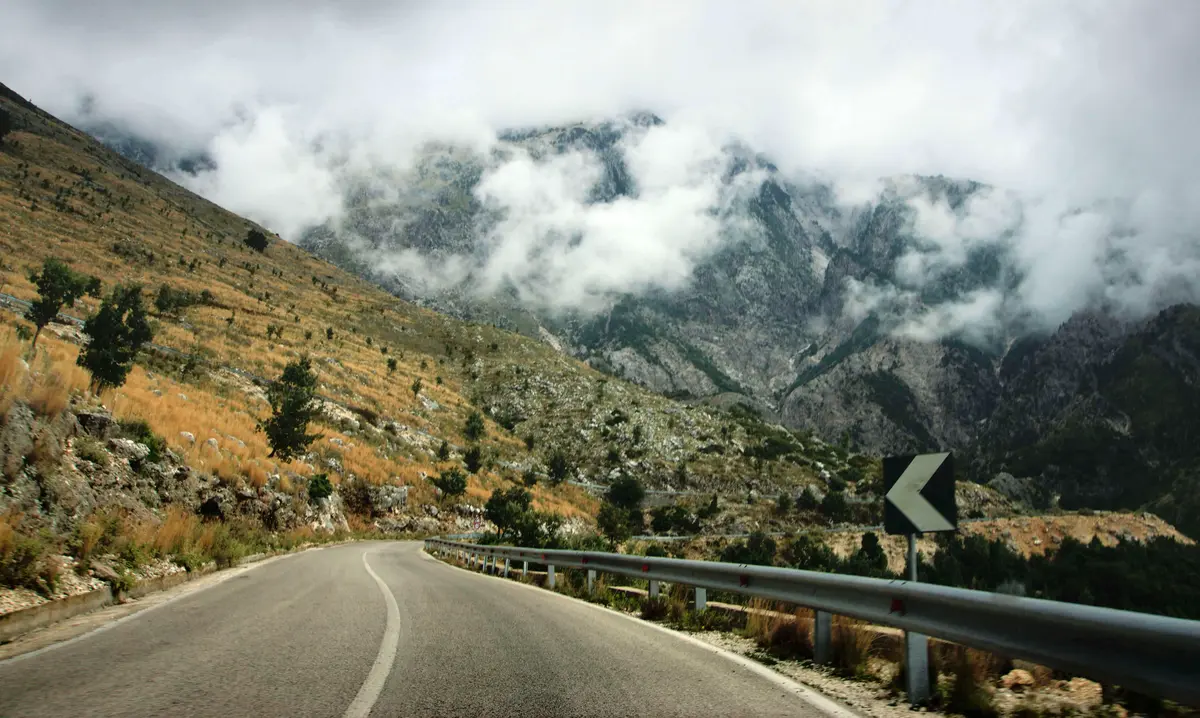
Driving is the thing to respect. Rural lanes bring livestock onto the road, potholes appear without warning, and unlit mountain stretches after dark are no place to learn the terrain. Two rules keep you out of trouble:
- Reach the farm before nightfall. Plan drives to finish in daylight.
- Don’t drink and drive, at all. Albania runs a zero-tolerance policy, and police will seize your license and vehicle, with penalties that can include jail.
Tap water quality varies outside the cities, so ask your hosts or stick to bottled water in remote spots.
How to Build a Farm-Trip Route Through Albania
The mistake is treating a farm as the whole trip. Treat each one as a stop on a wider Albania route and the country opens up:
- Bookend with Uka. Its spot by the airport makes it the ideal first lunch or last dinner.
- Run Mrizi into the north. It’s on the way toward Shkodër and the trailheads for Theth, so fold it into a mountains leg.
- Pair Alpeta with Berat. Wine and a hike at the farm, then the old town’s Ottoman quarter the next day.
- Send the south to the Vjosa. Përmet and Zagoria sit alongside the wild river and Gjirokastër’s stone city, a natural three- or four-day loop.
A rough ten-day route: land and eat at Uka, head north through Mrizi to Theth and Valbona, drop back to Berat and Alpeta, then push south to Përmet before circling back. You’ll spend real hours in the car — that’s the trade for reaching farms most visitors never see.
Sort These Before You Fly
Agrotourism in Albania delivers when the logistics are handled and disappoints when they aren’t. Before you go, get these five things squared away:
- Car reserved at Tirana airport, and offline maps downloaded.
- Enough lek withdrawn in the city to cover the cash-only farms.
- Reservations locked for the Mrizi-tier places, by phone or email, midweek if you can.
- Any dietary needs flagged to hosts ahead of a no-menu meal.
- Every drive planned to finish before dark.
Do that, and here’s what stays with you long after you’ve forgotten the exchange rate: a table of food that was in the ground that morning, poured with wine made in the shed out back, at a farm you had to earn your way to.