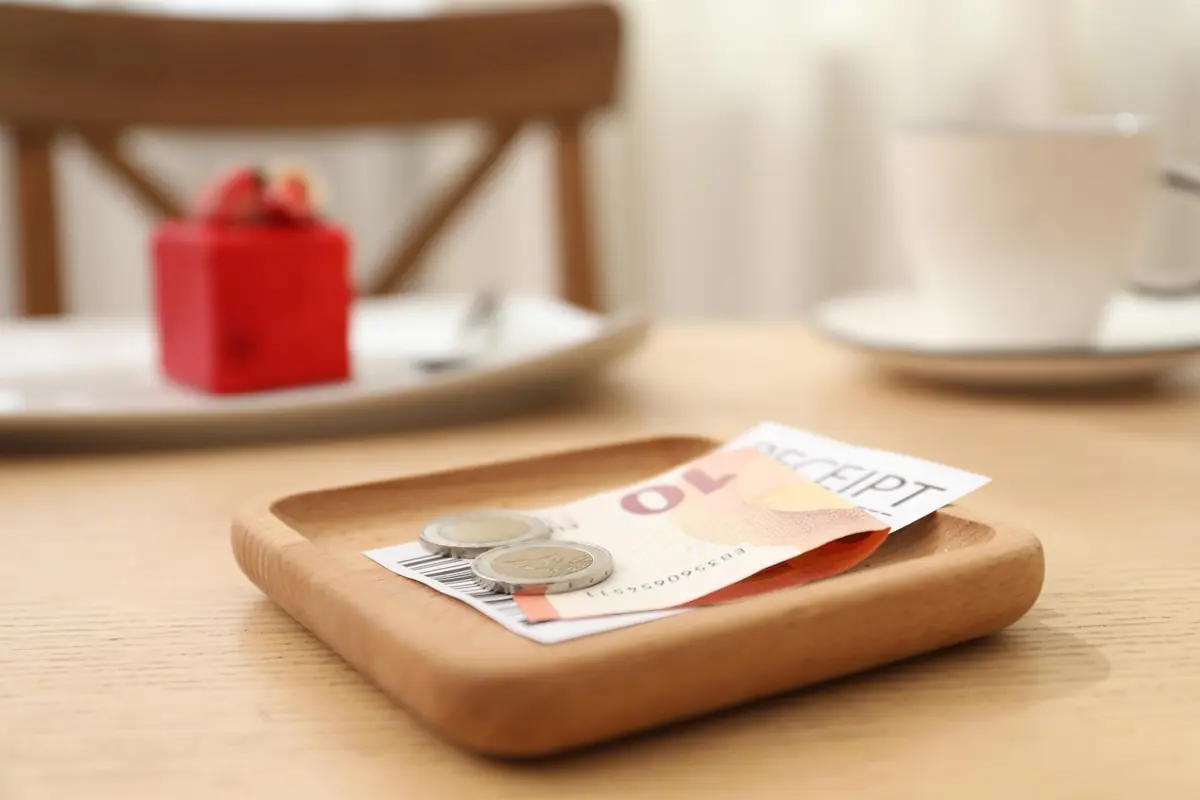
Tipping in Albania trips up US travelers arriving from a 20% culture: here, rounding up a coffee is plenty. It’s optional and appreciated, never demanded. Below is exactly what to leave — in lek, dollars, and euros — by service, plus when a tip can quietly offend.
Here’s the whole thing in one block before we get into the service-by-service detail.
Tipping in Albania is optional and appreciated, not mandatory. Standard practice: 5–10% at restaurants, round up taxi fares, €5–10 per person for tour guides, and 100–200 lek per night for housekeeping. Always tip in cash, ideally in Albanian lek. Never use US dollars. Card tips often never reach the staff.
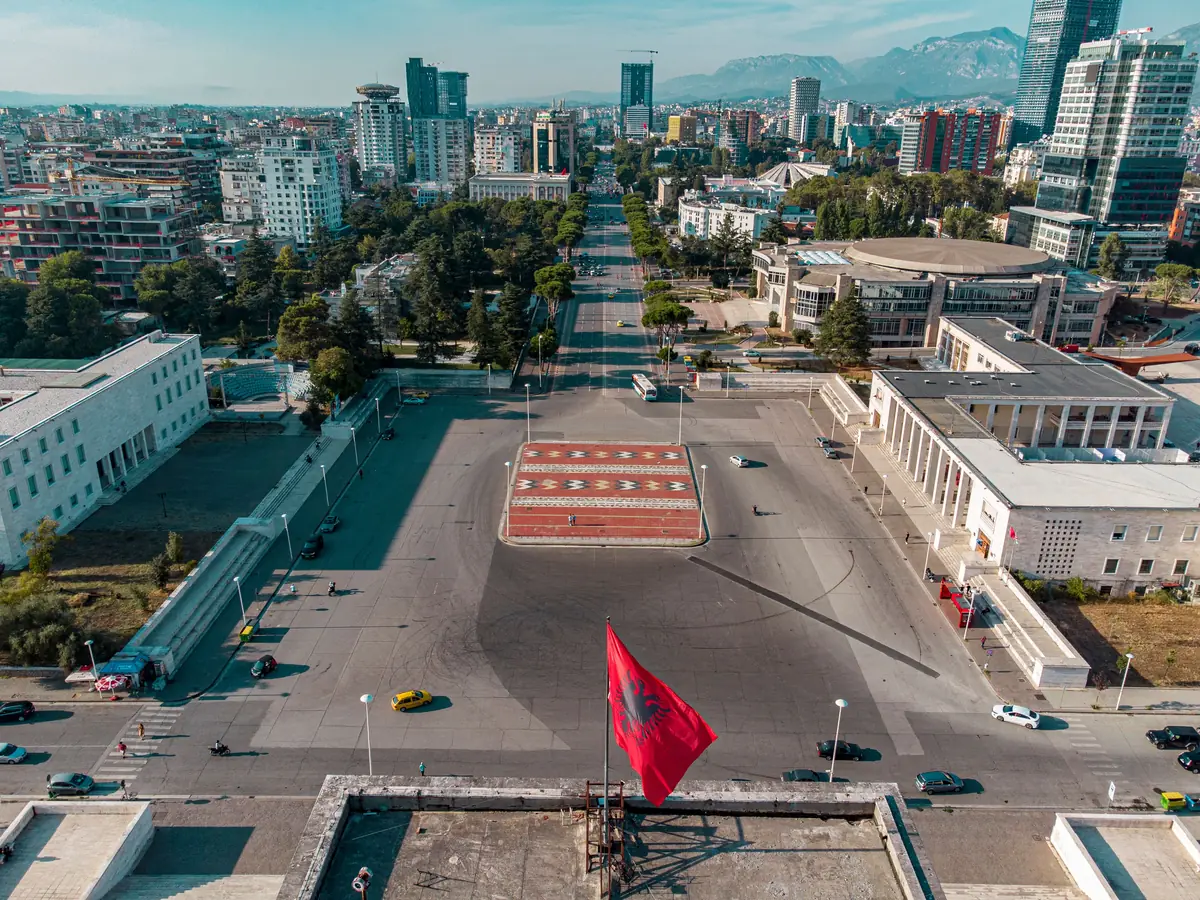
The Tipping Cheat-Sheet, in Lek, Dollars, and Euros
No other guide gives you all three currencies in one place, so start here and bookmark it. Amounts are typical ranges, not fixed rules, and the conversions use roughly 82 lek to $1 and roughly 100 lek to €1 (re-check the live rate before you travel). If you’re still sizing up a budget, read these numbers next to our breakdown of daily travel costs in Albania.
| Service | Lek | USD | Euro |
|---|---|---|---|
| Sit-down restaurant | 5–10% of bill | 5–10% | 5–10% |
| Café / espresso bar | round up ~100 lek | ~$1 | ~€1 |
| Metered taxi | round up to next 100 | round up | round up |
| Bolt (rideshare) | ~50–100 lek | ~$0.50–1 | €0.50–1 |
| Tour guide (group, full day) | ~800 lek per person | ~$10 | €10 per person |
| Private full-day guide | ~1,200–2,000 total | ~$15–25 | €15–25 total |
| Housekeeping | 100–200 per night | ~$1.25–2.50 | ~€1–2 |
| Porter / bellhop | 100–200 per bag | ~$1.25–2.50 | ~€1–2 |
| Boat crew (group tour) | ~250–400 per person | ~$3–5 | €3–5 per person |
A quick note on how to read that table: the euro column exists because in tourist zones like Tirana, Sarandë, and Ksamil, staff will happily take euros and often prefer them for larger tips, since euros hold value and are easy to save. For small everyday tips, lek is better. Neither column has a US dollar equivalent for a reason — see the currency section below.
Do You Tip in Albania? The Short Answer
Yes, but lightly. Tipping is a voluntary thank-you here, not an obligation. Locals often round up or leave nothing at cafés. In tourist areas, 5–10% has settled into a comfortable norm. Staff earn a wage rather than living off tips the way US servers do, so no one will chase you down over a gratuity.
The mental shift for an American traveler is this: your baseline isn’t 18–20% with guilt attached. Your baseline is zero, and anything you add is a genuine kindness. A warm faleminderit (thank you) carries real weight and costs nothing.
That doesn’t mean tipping is invisible. In a country drawing well over 12 million foreign visitors a year, service workers in the busiest coastal and capital spots have grown used to tourist tips. But the person clearing your table is not depending on that tip to make rent, and the social pressure you feel back home simply isn’t in the room.
Pro Tip: Say faleminderit shumë (thank you very much) when you hand over a tip or leave one on the table. It reads as sincere rather than transactional, and in family-run places it lands better than the money itself.
How Much Should You Tip at Restaurants and Cafés?
At sit-down restaurants, leave 5–10% in cash. At casual spots and cafés, just round up. On a 1,200 lek bill (about $15), leaving 1,300–1,400 lek is generous. At fine dining, 10% is the ceiling, not a floor to climb above. At a café, dropping 100 lek on a 60–120 lek espresso is already a big local tip.
The amount depends heavily on the type of place, so here’s the breakdown by tier.
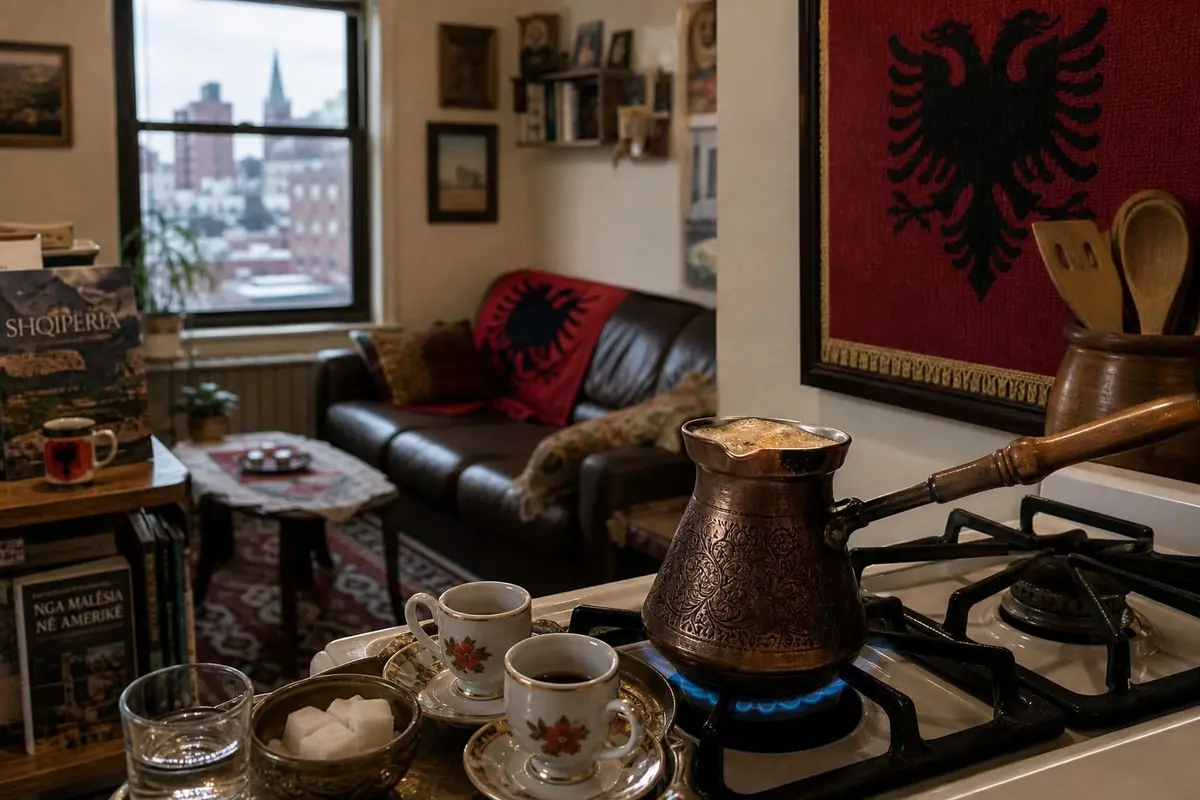
Cafés and Espresso Bars
This is where the gap between US instinct and Albanian reality is widest. An espresso runs around 60–120 lek ($0.75–$1.50). A third-wave flat white in Tirana’s Blloku district runs closer to 250–300 lek. The local move is to leave your loose coins or round the bill up to the next round number. There is no percentage math at a café. Leaving a 100 lek coin is plenty; many Albanians leave nothing at all and no one blinks.
Casual Tavernas and Everyday Restaurants
Round up to the next 100–500 lek depending on the size of the bill. A standard restaurant meal — the kind of traditional Albanian dishes you’ll eat most nights — lands around 1,000 lek (roughly €9.50). If your bill comes to 1,850 lek, leaving 2,000 is a normal, friendly rounding.
Mid-Range Restaurants
Here the 5–10% guideline kicks in properly. A mid-range three-course dinner for two runs around 4,500 lek (roughly €43). On that, 300–450 lek is a solid tip. Leave it in cash on the table or hand it to your server directly.
Fine Dining
Ten percent is the top of the range, and it’s optional even then. Albania is not a place where high-end restaurants expect an escalating gratuity. If you leave 10% at a genuinely excellent dinner, you’ve done more than most locals would.
Bars and Tip Jars
At a bar, rounding up or dropping a coin in the jar covers it. There’s no expectation of per-drink tipping the way there is in a US bar.
Is a Service Charge or Cover Charge Already on the Bill?
Usually not. Most Albanian restaurants add no service charge, and the 20% VAT (TVSH) is already baked into menu prices — that is a tax, not a tip, so don’t treat it as one. A few upscale or heavily touristed spots add a service line; look for shërbimi on the bill. Some places tack on a small kuvert (cover charge) of 100–200 lek for bread and the table setting.
The three terms get muddled constantly, so keep them straight:
- Shërbimi: an actual service charge. Rare. If it’s on the bill, a further tip is optional and can be small.
- Kuvert: a cover charge for bread, oil, and the table itself. Common at some restaurants, unrelated to service quality.
- TVSH: the 20% VAT, already inside the printed menu price. Never a tip.
Pro Tip: Scan the bottom of the bill before you add anything. If you see shërbimi, the house has already taken a service cut and you don’t need to add a full 10% on top.
One thing to watch: some guides confidently name specific Tirana restaurants that “automatically add 10%.” That claim traces back to a single source and isn’t independently confirmed, so don’t assume it. The safe, verifiable rule is that automatic service charges are uncommon, and when they exist they show up as a shërbimi line you can read for yourself.
Do You Tip Taxi Drivers, Bolt, and Private Drivers?
Round up to the nearest 100 lek — a 350 lek fare becomes 400. Many locals don’t tip taxis at all, so this is genuinely optional. For Bolt, an in-app tip of €0.50–€1 is generous. For a hired full-day driver taking you to Berat or down the Albanian Riviera, €5–10 at the end of the day is a kind gesture, not an obligation.
The nuance is in the type of ride:
- Metered taxi: round to the next 100 lek. Agree the fare before you get in if the car has no meter.
- Bolt: the app supports tipping in Tirana. A small in-app amount covers it, though plenty of riders skip it.
- Airport transfer: the airport-to-Tirana run is roughly 2,000–2,500 lek (€20–25). Rounding up is enough.
- Private full-day driver: €5–10 total at day’s end if the driving was good and the day was long.
The one habit worth keeping from home: confirm the price before a metered-taxi ride starts, especially from tourist points. That protects you far more than any tipping decision at the end.
How Much to Tip Tour Guides, Free Walking Tours, and Drivers
For group tours, budget €5 per person for a half day and €10 per person for a full day. For a private full-day guide, €15–25 total for the whole group — not per person, which is where US travelers most often overpay. Multi-day guides get €10–15 per day. Free walking tours run entirely on tips, so leave at least 500 lek per participant. Hand it over privately at the end.
The per-person versus per-group distinction is the single most expensive mistake here, so it’s worth slowing down on:
- Group day tour: per person. €5 half day, €10 full day.
- Private guide: per group. €15–25 total for a full day, whether you’re two people or four.
- Multi-day trek or tour: €10–15 per day, adjusted for group size and effort.
- Free walking tour (like the Free Tirana Tour): these aren’t actually free — the guide works for tips. Around 500 lek per person is the floor; more if it was excellent.
Pro Tip: On a day tour with both a driver and a guide, one tip usually covers both — they typically split it. Ask discreetly if you’re unsure who to hand it to.
If you’re anchoring to a percentage, a TripAdvisor Albania forum norm of roughly 10% of the tour cost, or a flat per-day group rate, both line up with what guides here actually see.
Tipping Hotel Staff, and When a Guesthouse Host May Refuse
Leave 100–200 lek per night for housekeeping and 100–200 lek per bag for porters, in cash. Put housekeeping tips on the pillow with a short thank-you note — without a note, cleaning staff often won’t take the money, unsure whether it was left on purpose. At family-run mountain guesthouses in Theth or Valbona, a host may wave off cash entirely; there, a sincere thank-you or a small gift fits far better.
At standard and business hotels:
- Housekeeping: 100–200 lek per night, left with a note.
- Porter / bellhop: 100–200 lek per bag.
- Upscale hotels: a symbolic €10 or 1,000 lek at checkout for genuinely attentive service.
The mountain guesthouse situation is different in kind, not just degree. In the highlands, hospitality is bound up with besa (a word of honor) and mikpritja — the old code that treats a guest as sacred. The Kanun, the traditional law of the northern mountains, holds that the house of the Albanian belongs to God and the guest. When a host in Theth cooks for you and pours raki, offering cash for it can feel like you’ve mistaken hospitality for a transaction. If a host refuses money, don’t push hard. A thank-you, a genuine review, or a small gift honors the exchange better. The same instinct applies at Albania’s family-run agrotourism farms, where a shared meal is part of the welcome rather than a service you’re buying.
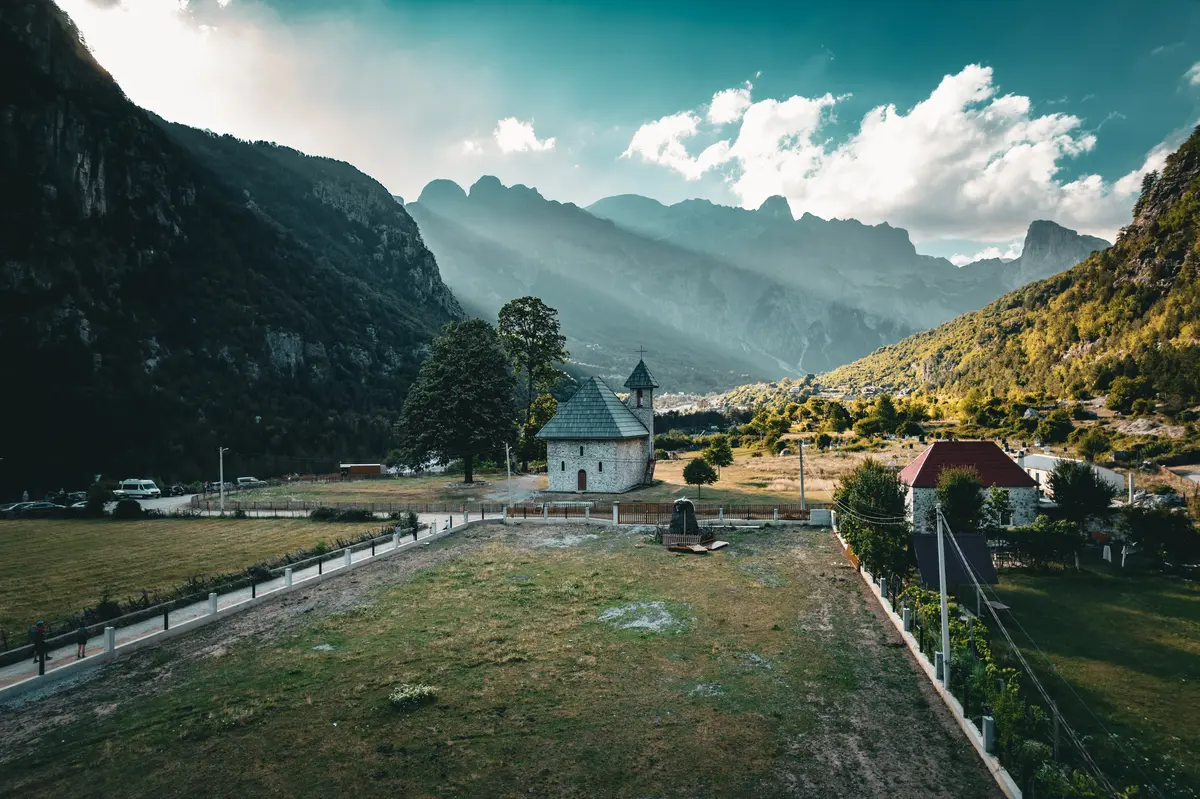
Coast and Cruise: Boat Crews, Beach Staff, and Sarandë Day-Stops
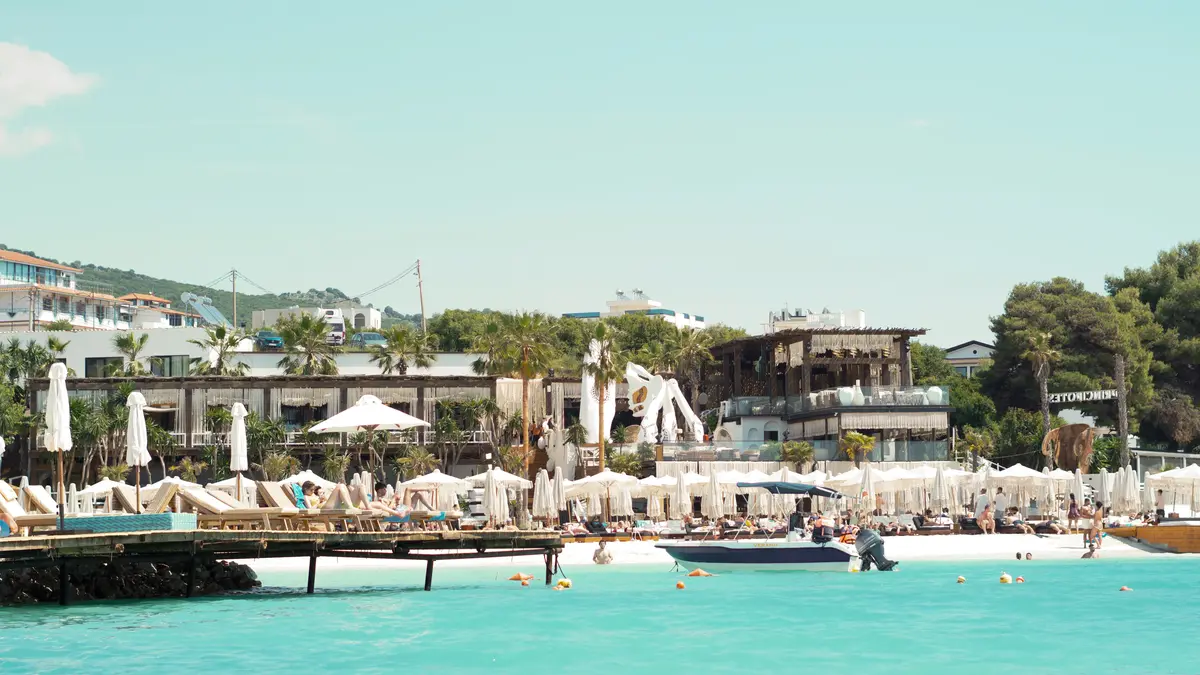
On a Ksamil island-hopping boat tour (€15–25 per person, three to six hours), tip the crew €3–5 per person. On a private day charter (€100–250), leave €10–20 total for the captain and crew. Cruise-excursion guides in Sarandë generally expect €5–10 per person. Beach sun-lounger staff don’t expect a tip at all.
This is the segment most guides skip entirely, so here’s the practical version:
- Group boat tour: €3–5 per person to the crew.
- Private charter: €10–20 total for captain and crew combined.
- Cruise-excursion guide: €5–10 per person, in line with any organized tour.
- Beach clubs and lounger attendants: no tip expected; pay the lounger fee and that’s it.
Sarandë is a tender port — cruise passengers come ashore by smaller boat, and the terminal sits about 10 minutes from the town center, within easy reach of most things to do in Sarandë. MSC, Royal Caribbean, and Holland America all call here. If you’re on a ship excursion, you’ll tip the excursion guide much as you would a land tour; the ship’s own staff tipping is handled separately through your cruise line.
Should You Tip in Lek, Euros, or Dollars?
Tip in Albanian lek — it’s what staff can spend the moment you walk out. Euros work fine in tourist zones like Tirana, Sarandë, and Ksamil, and are even preferred for larger guide or fine-dining tips because staff often hold onto them. Never tip in US dollars; they’re awkward to exchange and unwelcome. Keep 100–500 lek notes on hand for everyday tipping.
The currency logic in one place:
- Lek: best for all small, everyday tips. Staff spend it instantly.
- Euro: fine in tourist zones, and welcome for bigger tips (guides, fine dining) because it saves well. Roughly 100 lek to €1.
- US dollars: avoid entirely. Hard to exchange, and nobody wants them. Roughly 82 lek to $1.
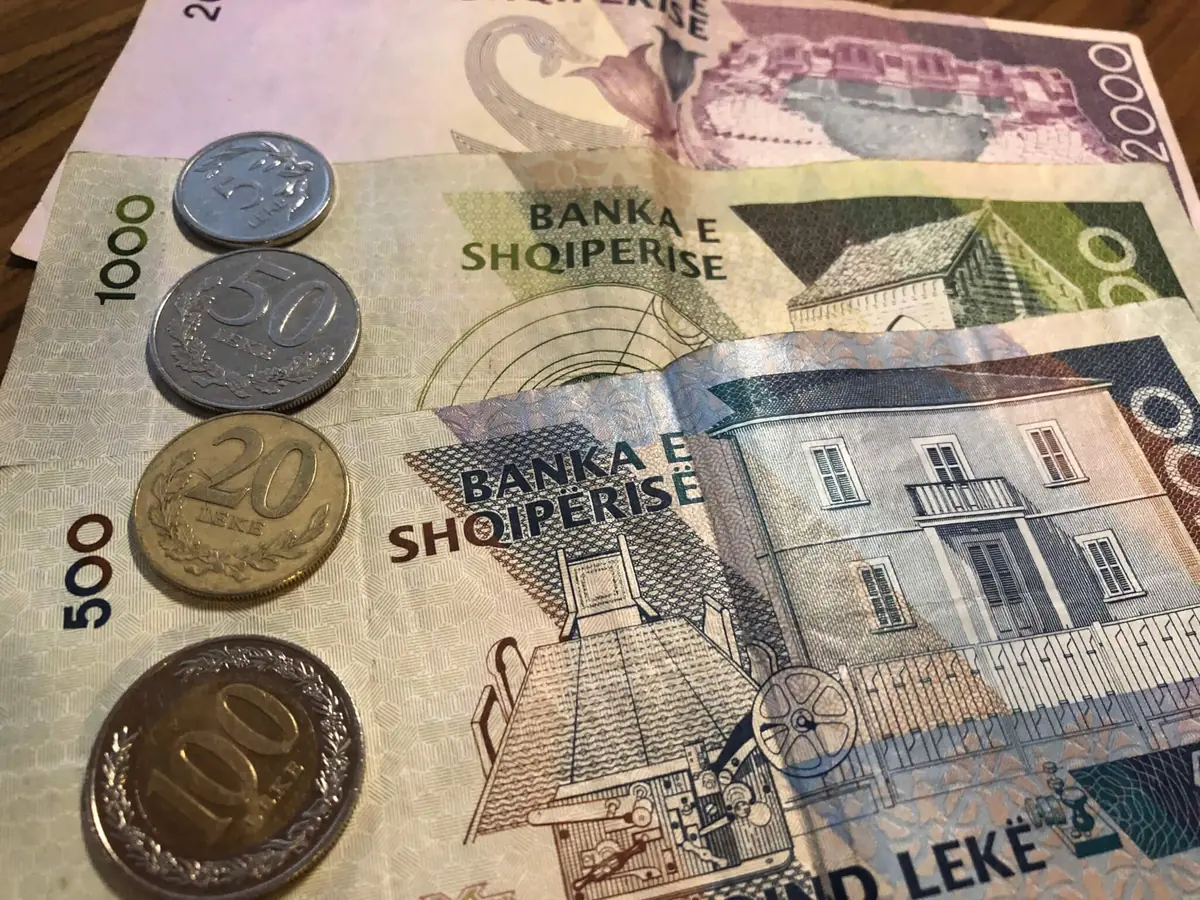
Withdraw or keep small notes — our guide to the lek, exchange rates, and ATMs covers the mechanics. Albanian banknotes run 200, 500, 1,000, 2,000, 5,000, and 10,000 lek. A 5,000 lek note is worth about $61 — useless as a tip. The old qindarka subunit is long defunct, so you’ll never deal in coins smaller than lek.
The “Old Lek” Trap Unique to Albania
This one catches almost every visitor eventually. In 1965, Albania redenominated its currency at 10 old lek to 1 new lek. Decades later, older and rural vendors still quote prices verbally in “old lek.” So a coffee that costs 100 lek might be spoken as “one thousand.” The printed price is always in new lek and is always correct — trust the number on the menu or the receipt, not the spoken figure.
If a price sounds ten times too high, it’s almost certainly old lek. Divide by ten, and if you want to be sure, ask: Lekë të reja apo të vjetra? (New lek or old lek?). The confusion is common enough that the Bank of Albania ran a public campaign called “Just Lek. Neither Old Nor New,” after finding that half of respondents misread or misidentified the value of their own currency.
Pro Tip: Never tip based on a spoken number alone in a small-town café or market. Glance at the printed price first. A “five hundred” coffee is a fifty-lek coffee in old-lek speech, and overpaying tenfold by accident happens to tourists constantly.
Cash or Card: Why Your Card Tip May Never Reach the Server
Tip in cash even when you pay the bill by card. Many Albanian POS systems route the entire charge to the till, so a tip added to a card payment can vanish before it reaches your server. Hand cash directly to the person who served you. And at ATMs, always choose to be charged in lek, not your home currency, to dodge dynamic-currency-conversion markups.
This is the mechanism most “cash is king” advice never explains:
- Card tips: many card terminals here have no clean way to split a tip to the server, so the extra amount lands in the business account and the staff member sees none of it. Cash in hand is the only reliable route.
- Card acceptance: plenty of smaller places don’t accept card tips at all, even where they take card for the bill.
- ATM dynamic currency conversion: when the machine offers to charge you in dollars “for convenience,” decline. That conversion carries a markup of roughly 4–13%. Choosing lek uses your bank’s rate instead.
- ATM fees: expect a machine fee of around 200–800 lek per withdrawal, so take out enough at once to cover several days of tips and small purchases.
Pro Tip: Keep a dedicated tipping stash of 100, 200, and 500 lek notes separate from your main cash. It saves you from breaking a 2,000 for a 100-lek tip, and it means you always have the right denomination for a café or a housekeeper.
What Albanians Actually Tip, and Why You Shouldn’t Over-Tip
Locals tip far less than tourists: a few coins at a café, 100–200 lek at a casual restaurant, 5–10% only at nicer places, and often nothing to taxis, porters, or hotel staff. Tipping US-style isn’t generous here — over time it inflates prices and distorts wages in a country where the minimum wage is 50,000 lek a month.
Here’s the split that competitor guides rarely lay side by side:
- Café: a local leaves loose change or nothing. A tourist often leaves 10–20%.
- Casual restaurant: a local rounds up or leaves 100–200 lek. A tourist applies US math and leaves 15–20%.
- Taxi: many locals tip nothing. Tourists often round up generously or add a percentage.
- Hotel housekeeping: locals frequently leave nothing; tourists leave per-night amounts.
The wage context is worth understanding, because it’s the “why” behind the norm. Albania’s minimum wage is 50,000 lek a month, and the average gross wage sits around 90,000 lek a month. A full-time minimum-wage worker earns roughly 49,700 lek monthly — about $609, or around 60% of the average salary. Service jobs pay a wage; they aren’t structured around tips the way US jobs are.
That’s why the local pushback on imported tipping is real, and it’s blunt. As one voice on the TripAdvisor Albania forum put it: “Please don’t bring the tipping culture to Albania. It is NOT customary.” The concern isn’t ingratitude — it’s that a flood of American-style tipping in tourist hotspots quietly pressures wages downward and pushes prices up for everyone. Cap yourself around 10%, tip in cash, and you’re respecting how the system actually works rather than importing a habit that doesn’t serve the people it claims to.
That said, hold this loosely at the edges. Some workers in the busiest coastal spots like Sarandë and Ksamil do lean on tourist tips more than a café worker in a residential Tirana neighborhood does. Reading the room beats applying any single rule.
When Not to Tip in Albania
Skip the tip at self-service counters and bakeries, with government or public officials (where it can read as a bribe), and when a private host feeds you as a guest — that’s besa, not service. In someone’s home, bring a small gift, like sweets, wine, or something from where you’re from, rather than handing over cash.
The don’t-tip list, made simple:
- Self-service counters, bakeries, takeaway windows: no tip.
- Government offices and public officials: never. It can be read as an attempt at bribery.
- A private home where you’re hosted as a guest: no cash. Bring a gift instead.
- Fast food and chain counters: no tip expected.
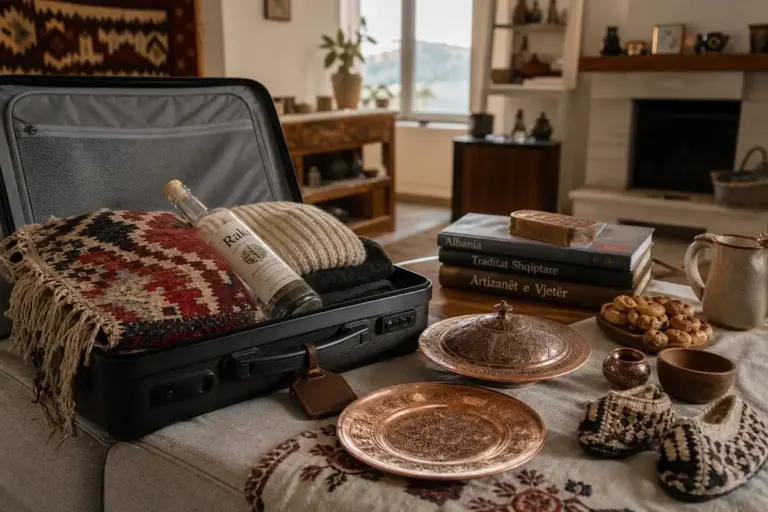
The home-hospitality point is the one that trips up well-meaning travelers. If an Albanian family invites you in and feeds you, offering money can genuinely offend, because you’re treating a sacred duty as a paid service. A gift threads the needle: it acknowledges the generosity without turning it into a transaction. If you didn’t pack anything from home, sweets, a bottle of raki, or one of the local souvenirs worth buying in Albania works just as well. (Note that cash gifts at weddings are a separate custom — there, €30–100 per couple is normal, but that’s a celebration, not a tip.)
Tipping in Albania vs Greece, Italy, and the US
Albania sits far down the tipping scale — lighter than Italy’s coperto culture and nowhere near the US 20%. A meal here costs roughly half its Italian equivalent, and it stays affordable partly because tipping hasn’t escalated. The practical takeaway: cap yourself at 10% and you’re already tipping on the generous end for the region.
A rough sense of where Albania lands:
- United States: 18–20% is the social baseline, with pressure to go higher.
- Italy: a coperto (cover charge) of €1–5 per person is standard; additional tipping is modest and optional.
- Greece: tipping is common but light, usually rounding up or a few percent.
- Albania: optional, 5–10% at the top end, and often nothing at casual spots.
If you’re weighing Albania against Greece, or combining either with Italy on one trip, reset your expectations at the border. The same instinct that feels stingy in a New York diner is completely normal in a Tirana taverna.
Albanian Phrases and Etiquette That Make Tipping Graceful
Learn faleminderit (thank you) — two seconds that opens every door, even in the tourist areas where English will get you by. Be discreet: Albanians value humility, so hand tips over quietly rather than making a show of them. And increasingly, a five-star Google review is treated as a real tip by small family businesses, sometimes worth more to them than the cash.
A few things that make the whole interaction smoother:
- Faleminderit / faleminderit shumë: thank you / thank you very much. Use it every time.
- Discretion: don’t flash money or announce a tip. Quiet is respectful.
- The review as a tip: for a small guesthouse, restaurant, or tour operator, a genuine five-star review with a few specific words does real work. It brings them future customers, which can matter more than 200 lek.
- Bakshish: the word for tip, if you ever need it, though you rarely will.
Pro Tip: If a family business went out of its way for you, ask the owner’s name and mention it in your review. In a small operation, a named, detailed review is remembered and appreciated far longer than the tip itself.
The Bottom Line
TL;DR: Tipping in Albania is optional and light. Leave 5–10% at restaurants, round up taxis, give €5–10 per person to guides, and 100–200 lek a night to housekeeping — always in cash, ideally in lek, never in US dollars. Tip like a local, not like you’re in New York, and skip it entirely at counters, with officials, and in someone’s home.
The single habit that will serve you best: keep a small stash of 100 and 500 lek notes, hand tips directly to the person who earned them, and let a warm faleminderit do the rest. For everything else on the ground, our complete Albania travel guide pulls the rest of the planning together.
What surprised you most about money and tipping on your Albania trip — the old-lek confusion, the card-tip issue, or a host who refused to take your money? Share it in the comments so the next traveler arrives ready.