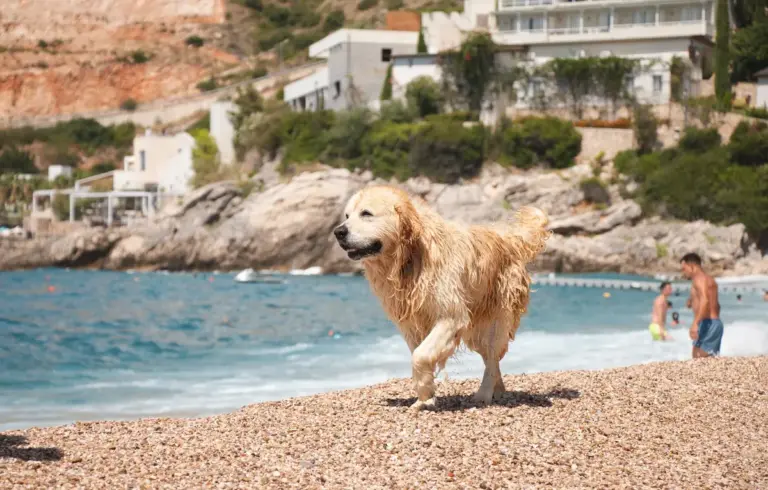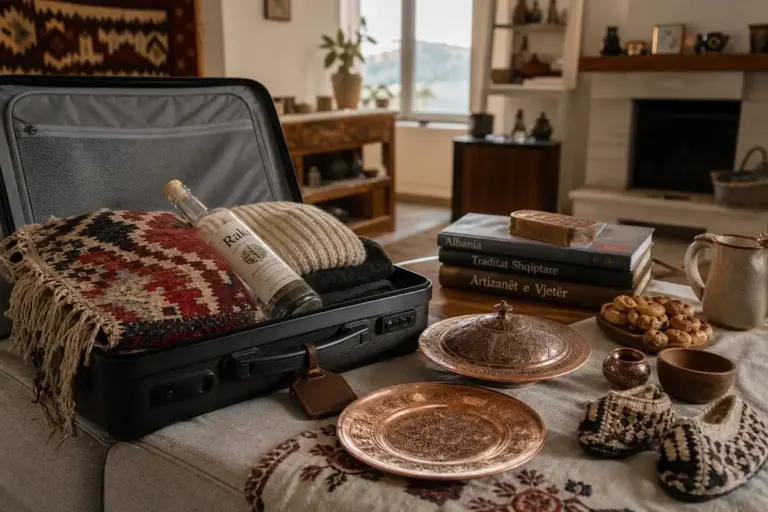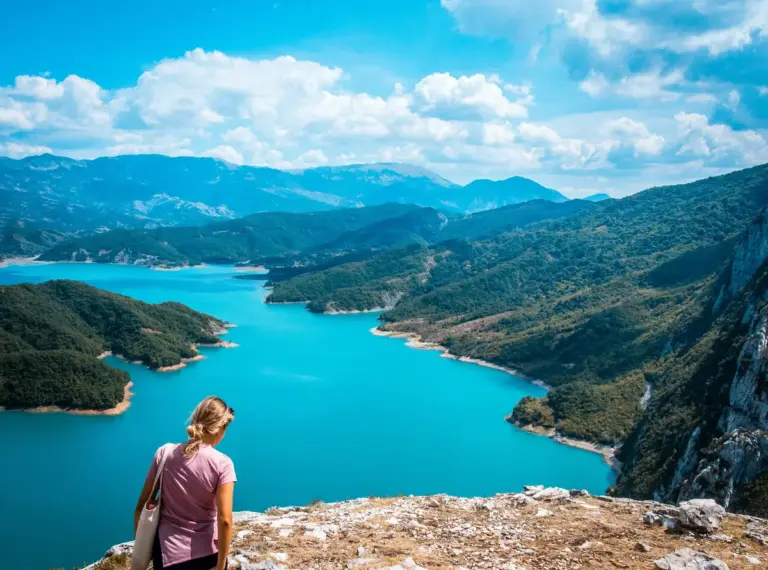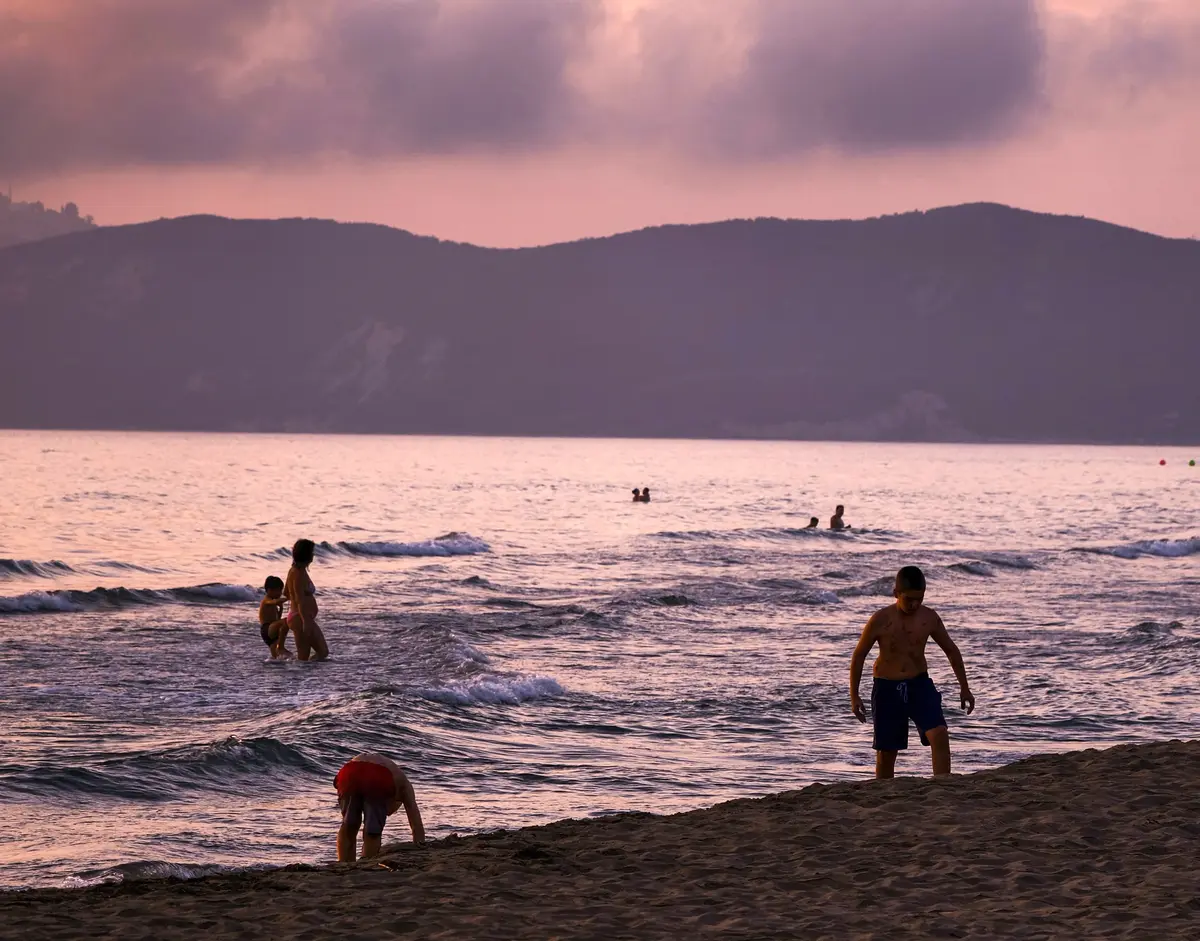
Albania compresses Ottoman hill towns, Cold War underground museums, and a coast that rivals the Greek islands into a country most Americans still haven’t considered. This 7 days in Albania itinerary takes you from Tirana south through Berat, over the Llogara Pass to the Riviera, and back — with current entry fees, transit logistics, and one honest take on the beach destination everyone keeps recommending.
Is 7 days enough to see Albania?
Seven days in Albania covers Tirana, the UNESCO-listed hill town of Berat, and the southern Albanian Riviera from Himare down to Saranda and Gjirokaster. Ten days allows for a slower pace, but one week efficiently connects the country’s primary cultural and coastal highlights without backtracking or doubling up on long transit days.
What one week will not cover: the northern Albanian Alps — specifically Theth and Valbona — require a separate trip or a ten-day minimum. Don’t let the map mislead you. A route that looks like 60 miles on screen often translates to two-plus hours of driving on mountain switchbacks. Albanian road speeds average 30–35 mph (48–56 km/h) on mountain stretches, not the 60 mph a US highway driver assumes.
One thing has genuinely changed in the last couple of years: the drive south is faster than older guides suggest. The Llogara Tunnel now runs beneath the mountain pass, cutting roughly 25–30 minutes off the Vlore-to-Riviera leg for a 250 lek (about $3) toll. The scenic pass road is still there, still free, and now far quieter — but you no longer have to drive it if the weather turns.
Pro Tip: If your priority is purely coastal, consider flying into Corfu, Greece, and taking the ferry directly into Saranda. The hydrofoil crossing takes about 30 minutes. This eliminates the northern transit block entirely and lets you front-load the Riviera from day one.
How much does a 7-day Albania trip actually cost?
Budget backpackers using hostel dorms and public buses can manage roughly $40–55 per day, or about $300–390 for the week. Mid-range travelers in private guesthouses spend closer to $95–130 daily, landing around $700–900 total. Comfort travelers renting SUVs and staying at coastal properties should budget $250 or more per day, pushing a seven-day trip past $1,800.
If those numbers look higher than what you’ve read elsewhere, that’s the single most important money update in this guide. Albania is no longer the $25-a-day destination that older blog posts describe. Two things shifted at once: the Albanian lek has strengthened substantially against the US dollar, and Riviera accommodation prices have climbed with demand. A dollar now buys roughly 82 lek, down from well over 100 a few years back. Every lek-denominated price in the country is therefore about 20 percent more expensive in dollar terms than legacy guides claim, before any actual price increases.
Accommodation costs by traveler type:
- Budget: Hostel dorms run roughly 1,200–2,000 ALL ($15–$25/night)
- Mid-range: Private double rooms average $40–$70/night, higher on the Riviera in peak summer
- Comfort: Coastal boutique properties and resorts run $120–$250/night in July and August
Full seven-day budget estimates:
- Budget backpacker (public buses, hostels, bakery and market food): ~$300–390 total
- Mid-range traveler (guesthouses, mixed transit, restaurant dinners): ~$700–900 total
- Comfort traveler (SUV rental, resort stays, restaurants): ~$1,800+ total
One currency warning competitors consistently skip: coastal vendors in Saranda and further south frequently quote in Euros rather than Albanian Lek (ALL). The informal exchange rate they apply is unfavorable compared to the bank rate. Withdraw local Lek from ATMs and pay in ALL everywhere you can. Carry more cash than feels comfortable, too — Bunk’Art, the Blue Eye, Gjipe parking, furgon drivers, and most rural tavernas are cash-only, and card readers thin out fast once you leave Tirana.
Getting around: rental car, coach, or furgon?
Renting a car in Albania gives you the freedom to reach secluded beaches and mountain viewpoints that no bus schedule touches. Expect $15–$25 per day for an economy car in shoulder season, rising to $45–$65 per day in July and August. SUVs run $40–$55 off-peak and can hit $90–$140 at the height of summer. Local operators typically undercut international brands by 30 to 50 percent.
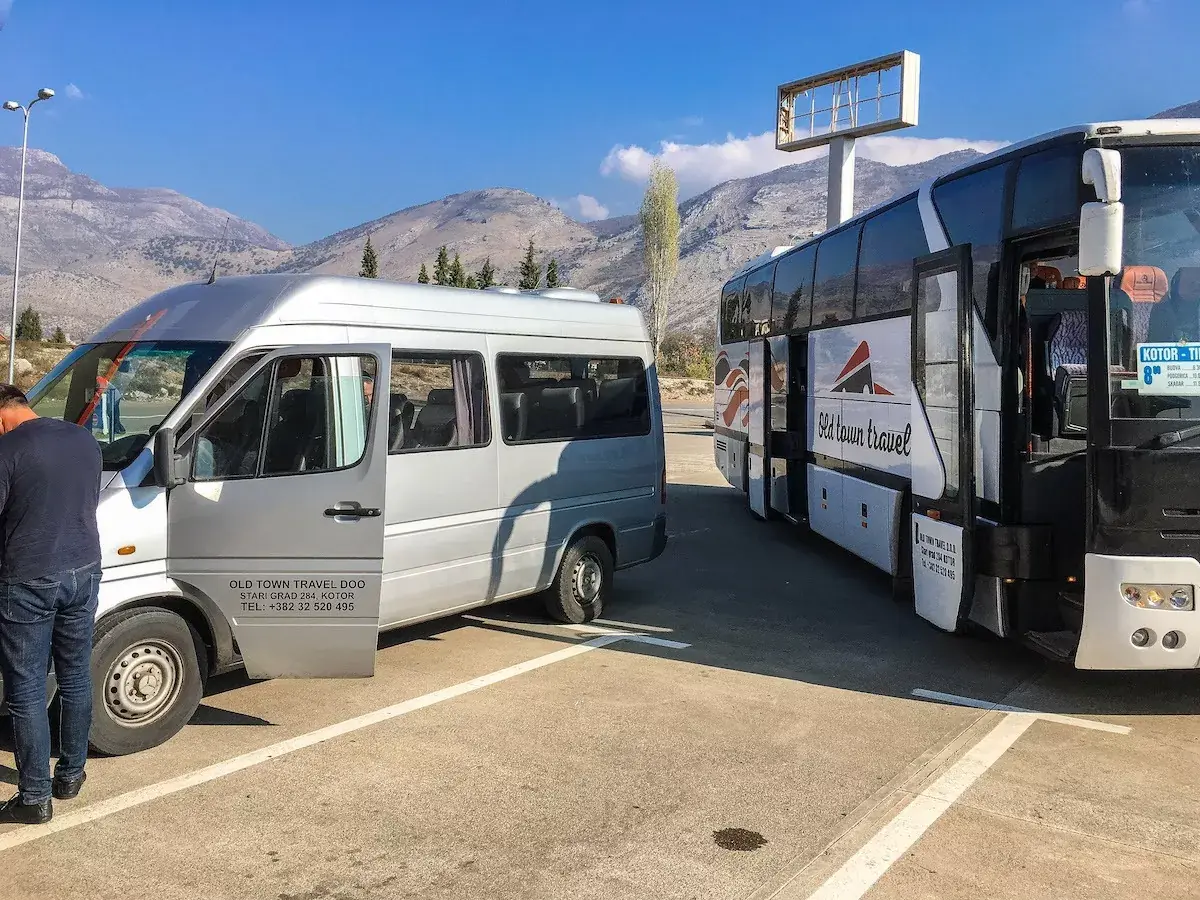
The public transport picture is better than the country’s reputation suggests, and this is where most guides are out of date. Long-distance coaches from Tirana no longer leave from anonymous gravel lots — most domestic routes now depart from the North and South Terminal (Terminali i Autobusave të Veriut dhe Jugut) near the Casa Italia outlet, roughly 25 minutes northwest of the center. Tirana to Saranda costs about 1,500 ALL ($18) and takes 4 hours 20 minutes to 5 hours on the inland highway, or 6 hours plus on the coastal route.
The critical logistics breakdown:
- Car rental (economy): $15–$25/day shoulder season, $45–$65/day peak summer
- Car rental (SUV, for mountain routes): $40–$55 off-peak, $90–$140 peak
- Coach, Tirana → Saranda: ~1,500 ALL ($18), 4h20m–5h inland
- Llogara Tunnel toll: 250 ALL (~$3) each way for a car; the old pass road remains free
- Airport bus, central Tirana ↔ Rinas: 400 ALL (~$5), hourly, around 30 minutes
- Local buses and furgons: cash only, paid to the driver — no ticket counter
Smaller regional furgons still run on the old logic: they leave when the seats fill, not when a timetable says so, and frequencies drop sharply outside summer. Treat any posted departure time as an estimate and ask at the stop on the day.
Download a local ride-hailing app before arrival, because Uber and Bolt do not operate anywhere in Albania. Patoko is typically the cheapest option in the major cities, Clust is the most foreigner-friendly for airport pickups, and VrapOn has the widest coverage across inland towns like Berat and Gjirokaster. Street taxis on the Riviera have no meters — agree the fare before you get in.
Pro Tip: Albanian rental fleets run heavily toward manual transmission. If you need an automatic, book well in advance and confirm at pickup. Also check the collision damage waiver excess before you sign — basic coverage commonly leaves you liable for €800 to €1,200.
What are the visa and driving requirements for US citizens?
United States citizens can enter Albania visa-free and stay up to one full year — not the 90 days most European countries allow. This is one of the most generous arrangements any passport receives anywhere, and it’s the single most commonly misreported fact about Albanian entry. No advance paperwork, no application, no fee at the border. Your passport should be valid for at least three months from the date of arrival.
Two practical footnotes. Albania is not in the Schengen Area, so days spent here do not count against your Schengen allowance — useful if you’re stitching together a longer European trip. And border officers don’t always apply the one-year rule automatically; some default to a 90-day stamp out of habit. For a one-week trip it’s academic, but worth knowing if you’re extending.
On driving: a US state license is legally sufficient for short non-resident visits, but carry an International Driving Permit anyway. Several rental desks require one before releasing a vehicle, and traffic police at checkpoints can fine you for incomplete documents. An IDP from AAA costs about $20 and takes ten minutes in person. It is only valid alongside your actual license, so carry both.
Additional road rules and driving realities worth knowing:
- Primary coastal highways (SH8, SH4): fully paved and well-maintained
- Actual difficulty: unregulated urban roundabouts in Tirana, confident overtaking on blind corners, and stray livestock on rural roads after dark
- Albania enforces a zero-tolerance drink-driving policy — any detectable level means a seized license and vehicle
- Plan arrivals before sunset on any mountain or rural route
- Alternative entry: the Corfu-to-Saranda hydrofoil takes about 30 minutes and bypasses northern Albania entirely for coast-focused travelers
Day 1 — Arrival in Tirana and the Cold War underground
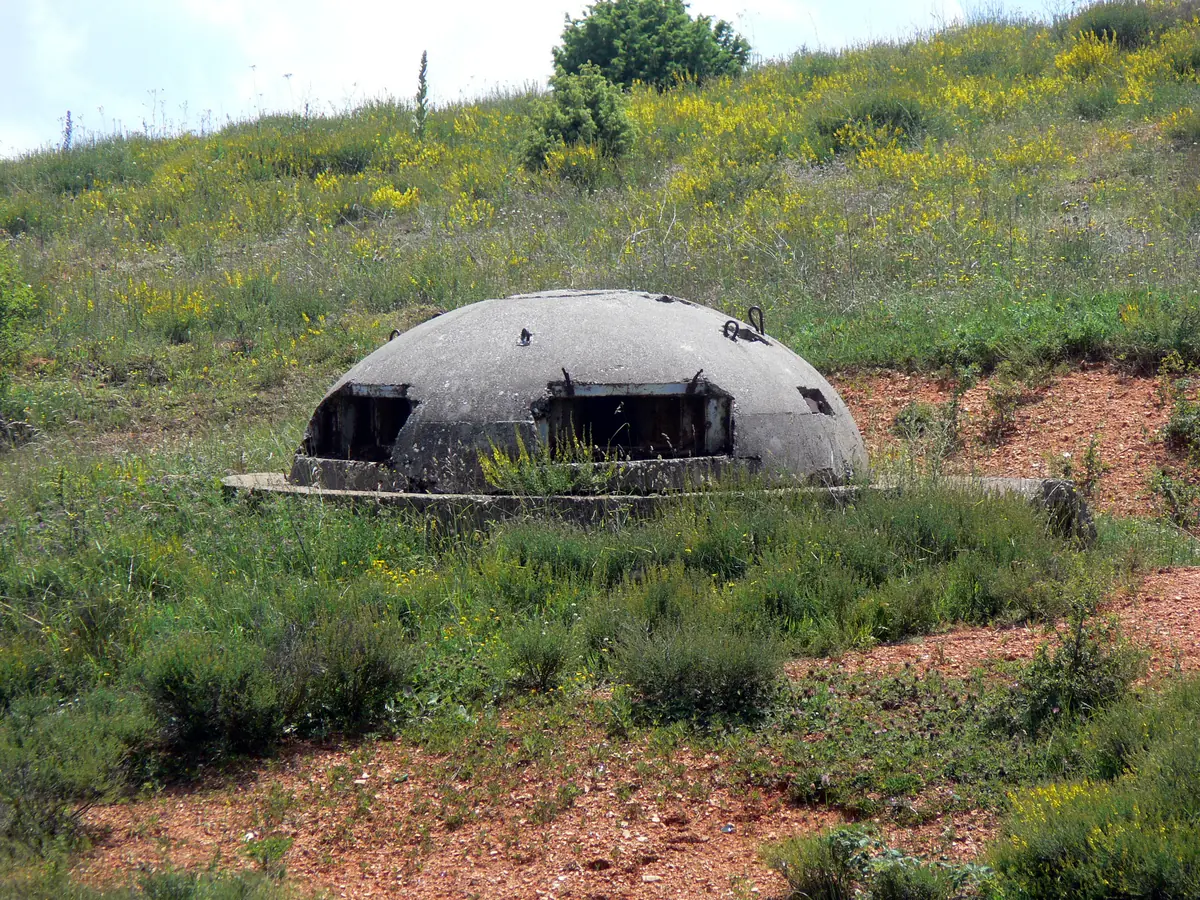
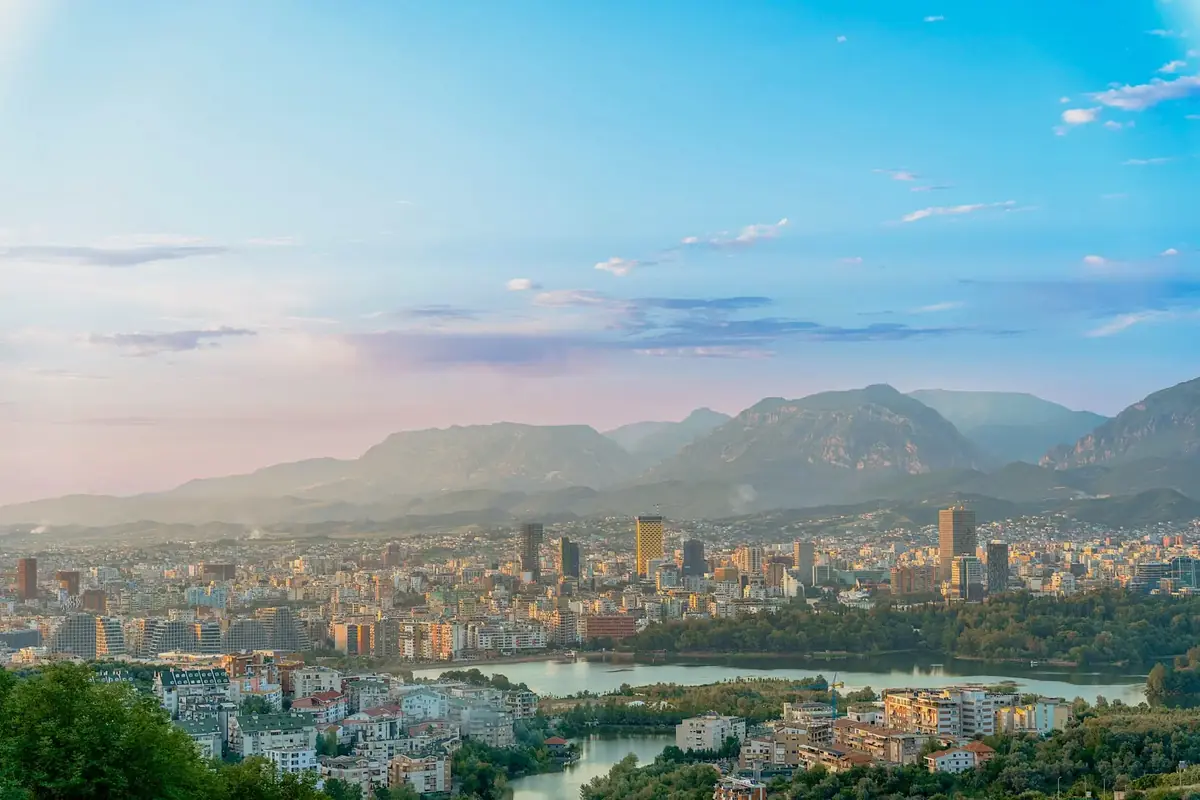
Begin this 7 days in Albania itinerary in Tirana with two anchors: Skanderbeg Square for geographical orientation, and Bunk’Art for historical context. These massive underground nuclear bunkers — converted into immersive Cold War museums — give you the framework to understand every Ottoman mosque, communist-era block, and rapidly modernizing neighborhood you’ll encounter for the rest of the week.
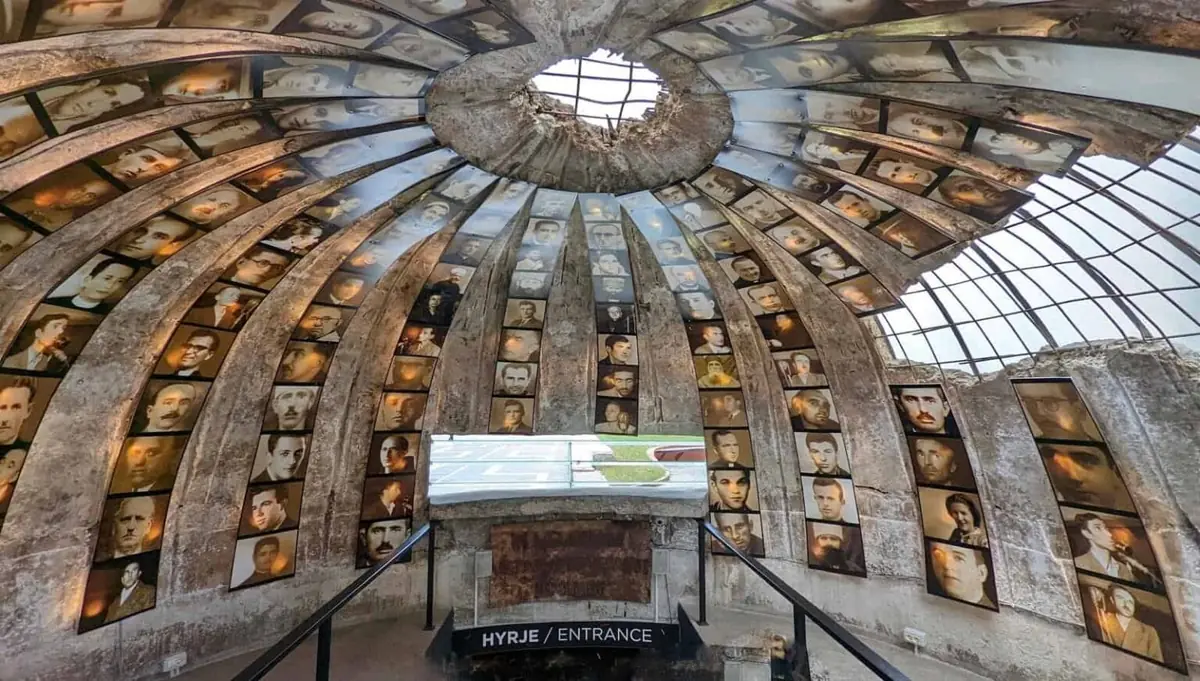
Bunk’Art 1 sits near the lower station of the Dajti Express cable car, making the two an efficient combined half-day loop without returning to the city center. Bunk’Art 2 — the smaller downtown installation covering Sigurimi secret police surveillance — hits harder emotionally than Bunk’Art 1 despite occupying a fraction of the space. If you only have time for one, start there.
Budget for the price increase that catches people out: each Bunk’Art now costs 900 ALL (about $11), or 1,000 ALL with the app-based audio guide, and both are cash only. A combined ticket brings it to roughly 800 ALL each and stays valid for 72 hours, so it saves you about two dollars total — a convenience, not a discount. Bring a layer regardless of the forecast. It’s a bunker, and it stays cool and damp underground even when Tirana is baking.
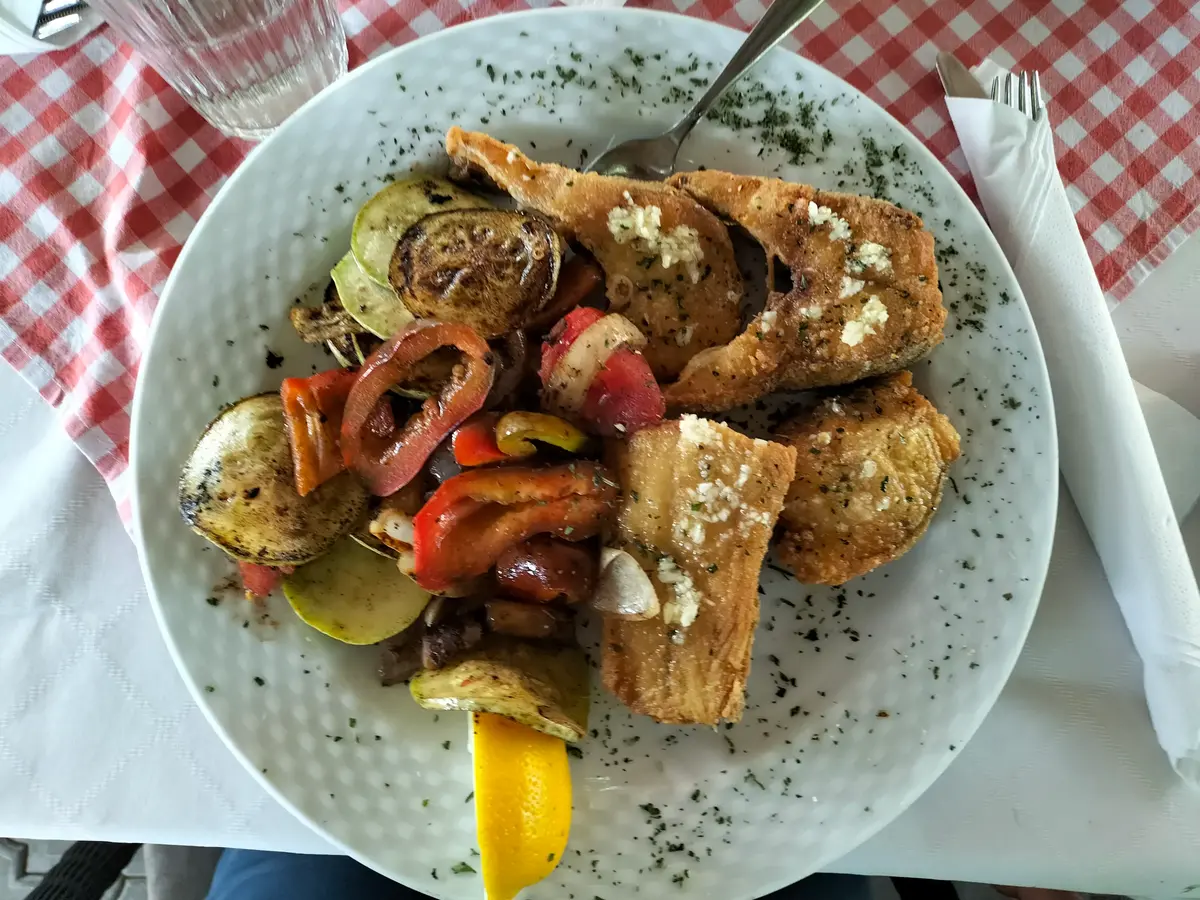
From the bunkers, walk into the Blloku district. During the Hoxha regime, this neighborhood was sealed to the public and reserved for communist elites. Today it holds Tirana’s densest concentration of cafes, wine bars, and restaurants. For dinner, order tave kosi — lamb baked with yogurt and eggs — at any sit-down restaurant in the area. It’s the dish that tells you exactly where you are.
- Location: Bunk’Art 1 — near the Dajti Express lower station, eastern edge of Tirana; Bunk’Art 2 — steps from Skanderbeg Square
- Cost: 900 ALL (~$11) per installation, cash only; combined ticket ~1,300 ALL
- Getting there: city bus line 11 to Porcelan, 40 ALL, or a taxi for 700–1,000 ALL
- Best for: History-focused travelers, Cold War enthusiasts
- Time needed: 2–3 hours at Bunk’Art 1, about 90 minutes at Bunk’Art 2; allow a full day in Tirana overall
If you have a spare half-day at either end of the trip, the Dajti Express cable car runs from the same neighborhood — a 15-minute ride for about 1,400–1,500 ALL round trip, closed Tuesdays.
Day 2 — The journey south to the city of a thousand windows
Drive roughly 75 miles (120 km) south from Tirana to Berat, a UNESCO World Heritage site commonly called the City of a Thousand Windows. Budget about two hours behind the wheel under normal conditions — longer if you stop at the roadside coffee kiosks that appear consistently along the corridor. Coaches from the North and South Terminal cover the same route in around 2 to 2.5 hours for 500 ALL. Spend the afternoon in the Mangalem district and cross the Gorica Bridge before sunset.
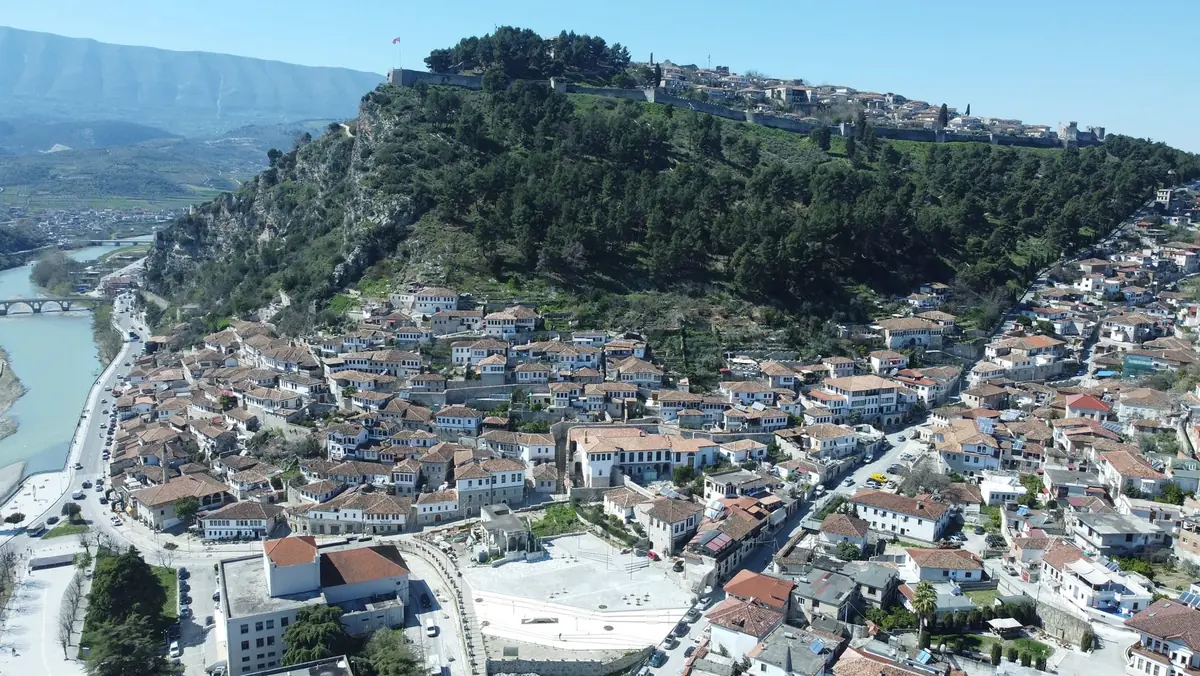
One specific hazard that almost no travel guide mentions: the ancient cobblestone paths climbing through Mangalem toward Berat Castle are genuinely slick. Not “a bit uneven” — slick enough to send you sideways in sandals on a dry afternoon. Wear athletic shoes or trail runners. The castle grounds themselves are still inhabited, with around a hundred families living inside the walls, which makes wandering the upper section feel less like a monument visit and more like walking through a functioning medieval neighborhood.
Correct one detail before you go: the castle quarter is no longer free. A ticket booth at the gate charges roughly 200–300 ALL during staffed hours, typically 9:00 to 18:00, with entry outside those hours generally unmanned. The Onufri Iconographic Museum inside the walls charges separately, around 400 ALL, and holds one of Albania’s most significant collections of ecclesiastical art.
For dinner, Homemade Food Lili is the single best meal in Berat — a small family-run spot in the old town where the menu reflects what arrived from the garden that morning. Two things the older write-ups leave out, and both will ruin your evening if you don’t know them: it serves dinner only, from about 5:30 to 10:00 PM, and it is closed Sundays. It also books out days in advance in summer. Message ahead rather than turning up hopeful.
- Location: Berat, central Albania — roughly 75 miles (120 km) from Tirana
- Drive time: ~2 hours; coach ~2–2.5 hours for 500 ALL
- Cost: Castle quarter ~200–300 ALL; Onufri Museum ~400 ALL; Homemade Food Lili meals ~$10–15
- Best for: Architecture and history travelers
- Time needed: Full afternoon and evening; overnight in Berat recommended
Day 3 — Crossing the Llogara Pass to the Albanian Riviera
Depart Berat and drive south toward Vlore, then choose your crossing. The old Llogara Pass climbs to about 1,027 meters and ends with the Ionian Sea appearing below you as you crest the summit — a transition that happens in roughly two minutes of road as the mountain opens up. The Llogara Tunnel now bores straight through underneath in about seven minutes for a 250 lek toll, collected at the northern Dukat-side plaza in cash.
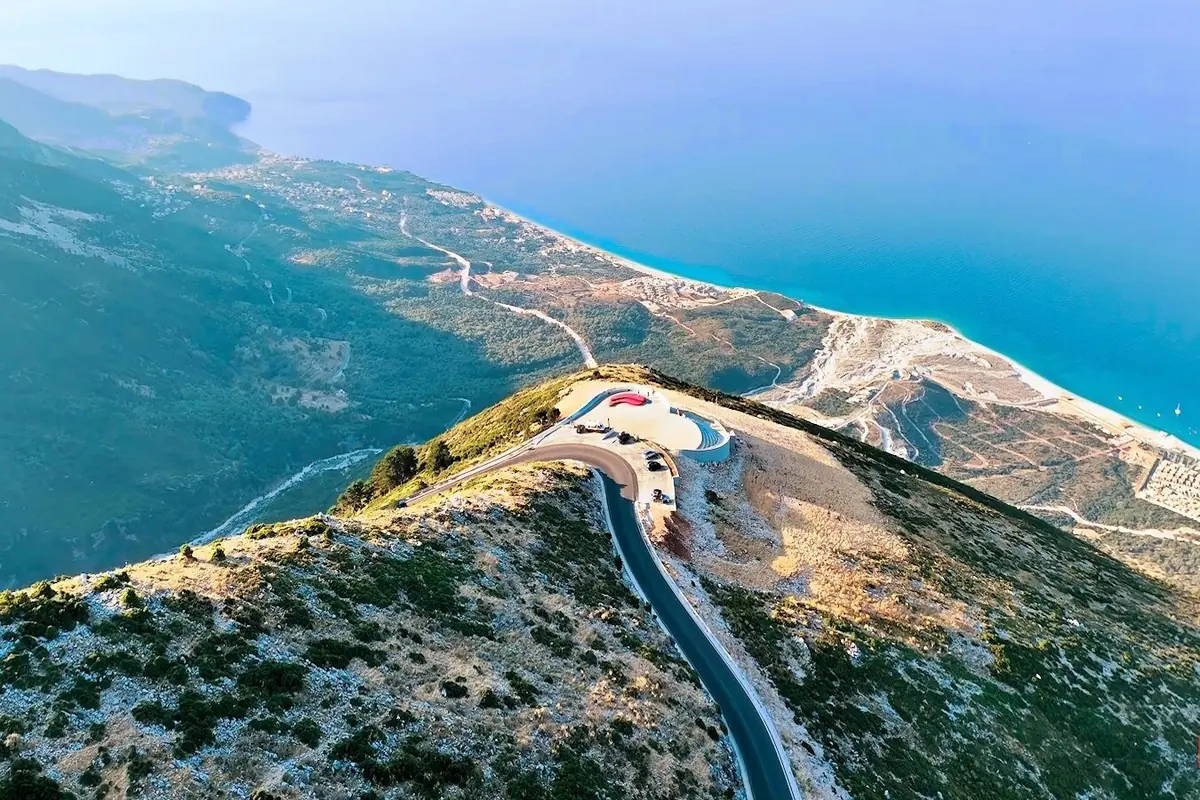
Take the pass. That’s the whole point of this day, and the tunnel has quietly made it a better drive by pulling the trucks and through-traffic off the mountain. What the pass actually feels like from the car: temperature drops noticeably as you climb, crosswinds arrive at the summit without warning, and cloud cover can compress visibility to a few hundred feet. Keep a jacket within reach — not packed in the trunk. The descent into warm coastal air takes around 20 minutes.
Keep the tunnel in your back pocket for two scenarios: heavy fog or rain, and winter, when snow and ice can close the summit road with no advance warning system. Note also that intercity buses on this corridor generally still take the pass rather than the tunnel, so you get the views from the window either way — you just can’t stop.
Spend the evening in Himare rather than pushing straight to Saranda. This is a deliberate strategic choice: Saranda has the tourist infrastructure, but Himare still operates like a working coastal town. Restaurant Odissea on the Himare–Livadh road serves fresh fish with tables set close to the waterline, and stays open through the day rather than only at dinner. The noise at dinner is waves, not amplified music.
- Location: Llogara Pass — on the SH8 coastal road between Vlore and Himare
- Drive time: Berat to Himare ~3–3.5 hours total; build in extra time for the pass
- Cost: Pass road free; tunnel 250 ALL (~$3) one way for cars, cash in lek
- Best for: Road trippers, photographers
- Time needed: Allow a full transit day — do not rush the mountain section
Day 4 — Exploring the coastal villages of Himare and Dhermi
Dedicate this entire day to beach movement between Himare and Dhermi, with the primary target being Gjipe Beach — a secluded cove at the mouth of a limestone canyon, reachable only on foot, by boat, or by local 4×4.
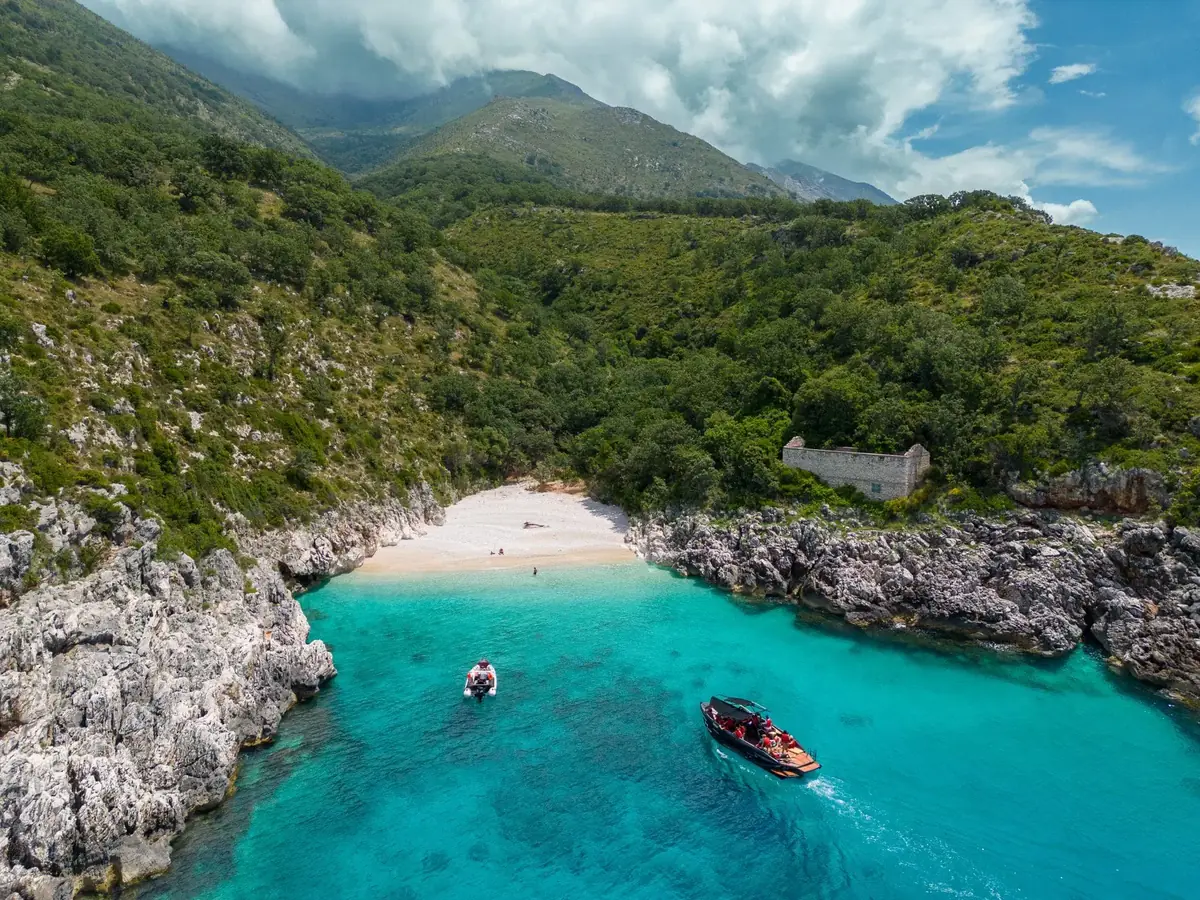
Reaching Gjipe by car means turning off the SH8 between Dhermi and Vuno onto about 2 km of unpaved road, parking at the cliff-top gravel lot, and hiking roughly 2.5 km down a rocky trail. Plan 20–30 minutes down and 30–40 minutes back up — the return climb is the part people underestimate, and the trail has no shade whatsoever. Summer parking runs 300–500 ALL (about $4–6), cash, though the lot is usually unattended and free outside peak months.
Two access options have opened up that older guides miss entirely. Boat taxis from Himare or Dhermi drop you straight on the sand in about 20 minutes — roughly €15–20 one way, or €30–60 as part of a coastal tour that usually includes the sea caves. And local operators at the parking lot now run 4×4 shuttles down the rough service road for about €5–10 per person in high season. Best combination: boat in to skip the hot descent, hike out through the canyon, which is the more interesting direction anyway.
One hard logistics constraint: in July and August the lot fills by 10 or 11 AM, holds only around 50–70 cars, and has no overflow. Arrive early or plan on the boat. For elevated coastal views before heading down, the ruins of Himare Castle sit above the old town and give a clear perspective on the full bay — budget 30 minutes and combine it with a walk through the old town.
- Location: Gjipe Beach — between Dhermi and Vuno, signed turnoff from the SH8
- Cost: No entry fee; parking 300–500 ALL in summer; boat taxi ~€15–20 one way
- Best for: Couples, solo travelers, anyone avoiding commercialized beach resorts
- Time needed: Half day at Gjipe; combine with Dhermi village in the afternoon
Pro Tip: Dhermi’s main beach fills up by midday in peak season. Start at Gjipe in the morning when the light hits the limestone cliffs, then move to Dhermi for lunch and a slower afternoon swim.
Day 5 — Ancient ruins at Butrint and sunset in Saranda
Drive south to Saranda, using it as the base for Butrint National Park. Dedicate two to three hours to Butrint before the afternoon heat peaks — the site is largely exposed, the paths are long and uneven, and shade is patchy inside the park boundary. Entry costs 1,000 ALL (approximately $12) for adults, with children 12–18 at 500 ALL and under-12s free. Tickets are also sold online and accepted as a PDF on your phone.
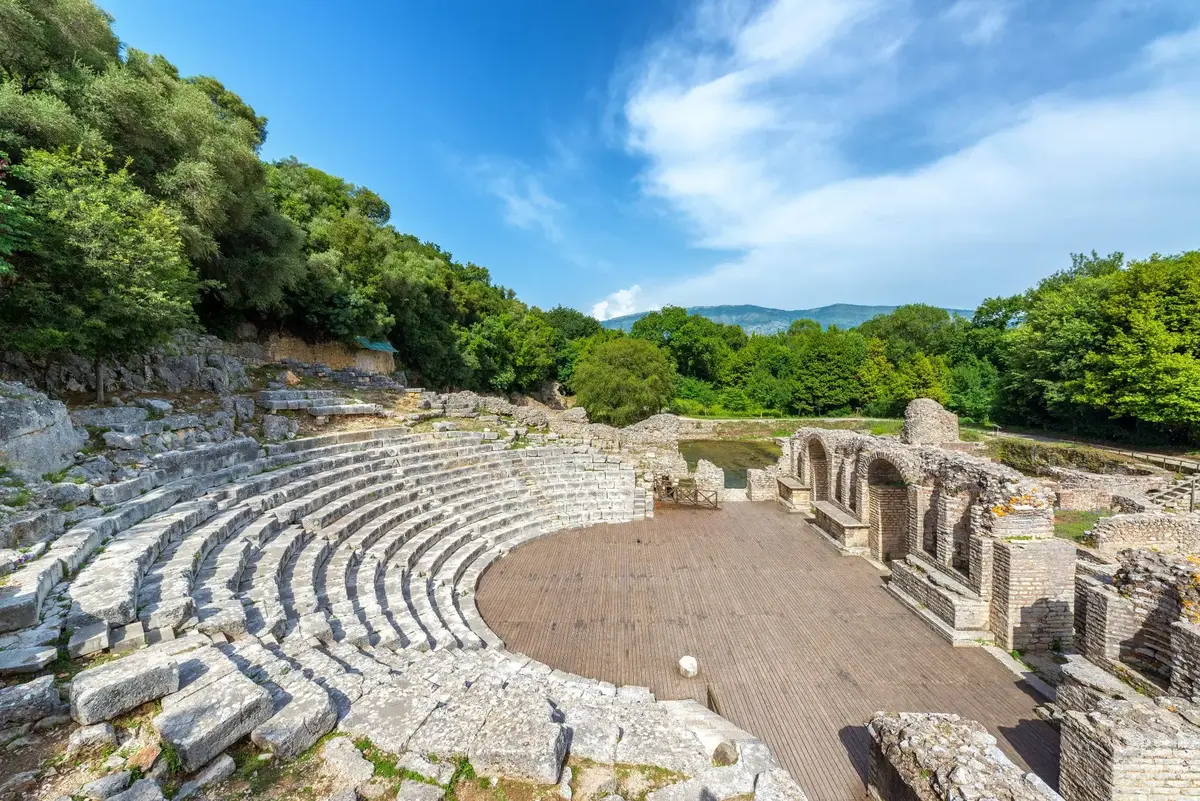
Watch the last-entry rule, which trips up afternoon arrivals. Through the April-to-October season the park opens around 08:30, stops admitting visitors at 18:00, and closes at 20:00. In winter it opens at 09:00 with last entry at 15:00. Turning up at 18:30 in August does not work, no matter that the gate is still lit.
Most visitors skim Butrint in 45 minutes. That’s a mistake. The site layers Hellenistic foundations, a Roman amphitheater, Byzantine basilicas, and Venetian towers across forested paths that keep unfolding. Walk past the first obvious structures and the crowds disappear.
Back in Saranda, Taverna Kapiteni is the dinner target. The restaurant operates its own fishing vessel — the catch on your plate was in the Ionian that morning rather than frozen stock from a supplier. Order whatever the day’s haul was; the grilled fish with olive oil is the standard order for a reason. It runs from midday to late, so it works for a long lunch too.
For the sunset, drive or walk up to Lekuresi Castle above Saranda. The fortress overlooks the town, the bay, and the Greek island of Corfu simultaneously as the light drops. Entry and parking are free, but the castle now functions largely as a restaurant and bar, and the access road turns into a scrum of buses, taxis and scooters in the hour before sunset. Arrive a full hour early, or skip the crowd and watch from the Saranda waterfront instead.
If you’re arriving in Albania from Greece rather than running the full loop from Tirana, the Corfu hydrofoil drops you directly into Saranda’s port in about 30 minutes — a logistical shortcut that makes Day 5 a practical starting point for coast-first travelers.
- Location: Butrint National Park — about 11 miles (18 km) south of Saranda
- Cost: 1,000 ALL (~$12) adult entry; minibus from Saranda ~200 ALL, taxi ~$15–25 each way
- Best for: History and archaeology travelers
- Time needed: 2–3 hours at Butrint; full evening in Saranda
Day 6 — The Blue Eye spring and the stone city of Gjirokaster
Leave the coast and drive inland, stopping first at the Blue Eye (Syri i Kalter) — a karst spring so deep and so precisely blue that the color reads as oversaturated in photographs but is more striking in person. Water pushes upward here at an enormous rate, and divers have gone past 50 meters without reaching the source. Entry is a token 50 ALL per person, with parking adding another 100–200 ALL. Both are cash only, and there are no ATMs nearby.
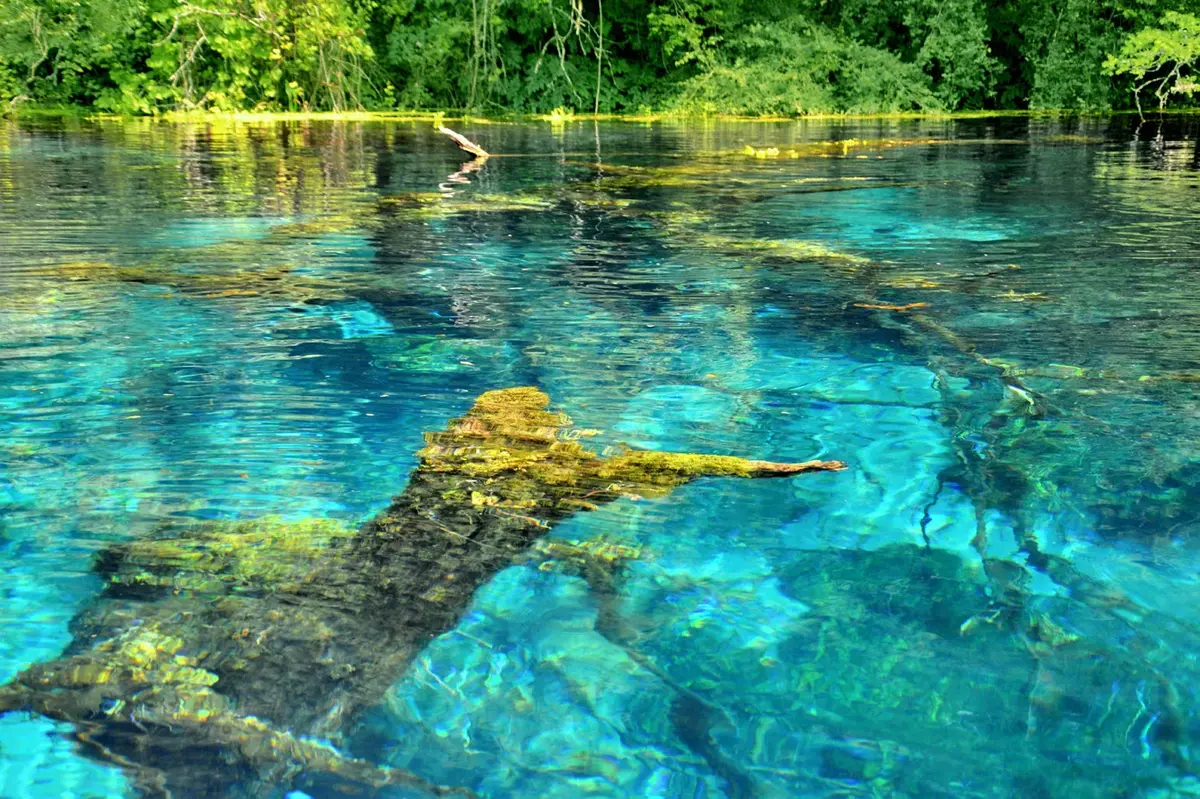
From the car park it’s a 1.5–2.5 km walk along a shaded forest path, roughly 20–30 minutes each way. A small shuttle and rental scooters sometimes operate for anyone who’d rather not walk. Swimming is prohibited and wardens enforce it — partly to protect what is also a drinking-water source, partly because the water sits at a constant 10–13°C and the upward pressure makes entry genuinely dangerous. The experience is entirely visual, and it is heavily gated behind timing: at 8 AM it’s mist and near-empty platform, at 1 PM in August it’s a queue.
From the Blue Eye, continue inland to Gjirokaster. Known as the Stone City, its most immediately striking quality is the silver-colored slate roofing that blankets the hillside mansions — the rooftops look as though they were shaved directly from the surrounding mountainsides, giving the entire settlement a monochromatic weight unlike anything else on the route.
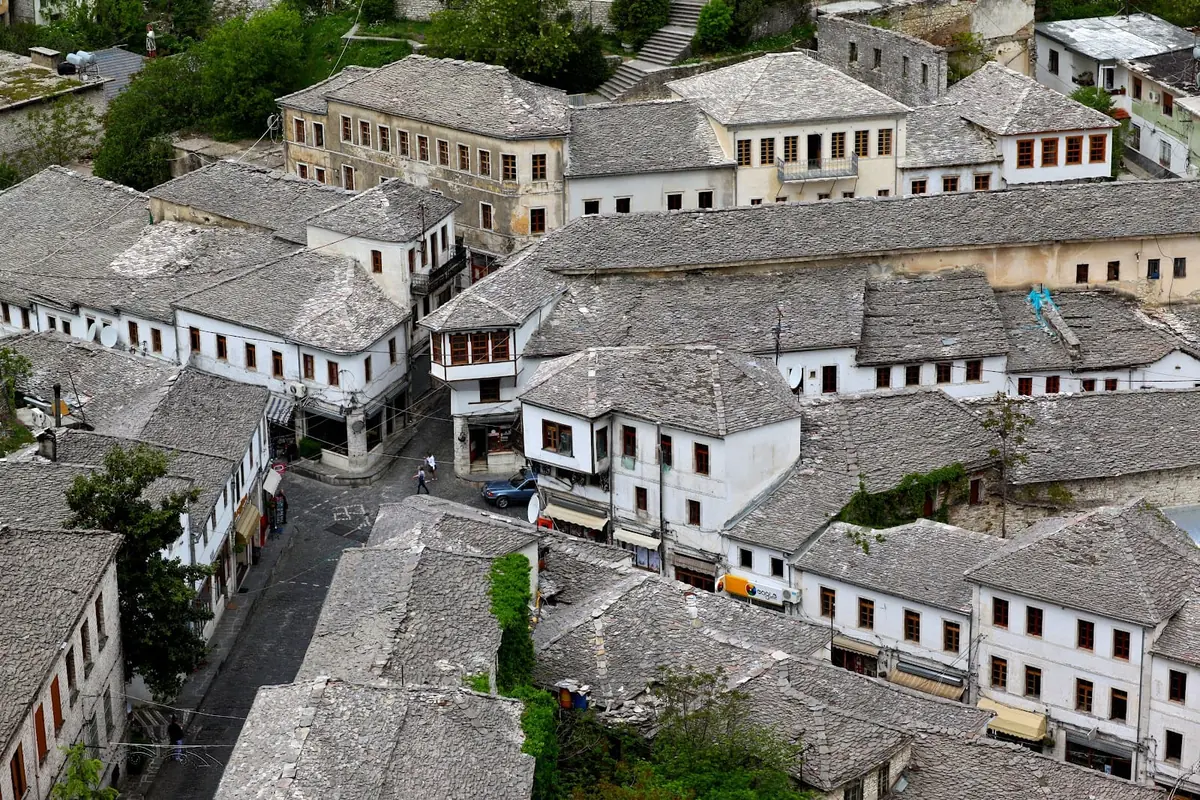
Walk the Old Bazaar and cross the Ali Pasha Bridge before climbing to Gjirokaster Fortress, where entry runs about 400 ALL. Inside, alongside the artillery gallery and the former political prison, sits a US Air Force Lockheed T-33 Shooting Star. It arrives without introduction and is genuinely disorienting to encounter after a day of Ottoman architecture. The two versions of how it got there tell you everything about the era: American reports said the pilot lost his way in fog en route from France to Italy and made an emergency landing at Rinas in December 1957; the communist regime displayed it as a captured “spy plane.” Either way, it has sat on the ramparts since the late 1960s.
- Location: Syri i Kalter — about 14 miles (22 km) east of Saranda on the SH99; Gjirokaster a further 40 minutes inland
- Cost: Blue Eye entry 50 ALL plus 100–200 ALL parking; Gjirokaster Fortress ~400 ALL (~$5)
- Best for: Cultural travelers, photographers, history enthusiasts
- Time needed: 1.5 hours at the Blue Eye; half day in Gjirokaster
Day 7 — Return to Tirana and final impressions
The drive from Gjirokaster back to Tirana International Airport Nene Tereza (Rinas) covers roughly 145 miles (235 km) and takes about four hours under normal conditions. On the final day of this 7 days in Albania itinerary, do not underestimate Tirana’s ring road congestion in the afternoon — budget an extra 45 minutes of buffer if your flight departs between 2 PM and 7 PM.

Without a car, plan this leg as two moves rather than one: a coach north to Tirana, then the airport shuttle from behind the Palace of Culture, which runs hourly for 400 ALL and takes about 30 minutes. There is no clean direct coach from the south straight to the terminal, and travelers who assume otherwise miss flights.
If time allows before your flight, stop at any local bakery for a final slice of byrek — a savory pastry available in spinach, cheese, and meat variants. It costs well under a dollar, takes 90 seconds to eat standing on the sidewalk, and is the most efficient use of your remaining Albanian Lek.
- Drive time: Gjirokaster → Tirana Rinas Airport — ~4 hours
- Buffer: Add 45 minutes for afternoon ring road congestion near the airport
- Cost: ~$20–30 in fuel for the return leg on a rental; 400 ALL for the airport shuttle without one
- Best for: All traveler types closing the southern loop
Is Ksamil worth visiting or overrated?
Social media has aggressively promoted Ksamil as a European answer to the Maldives, but the reality during peak summer is closer to a crowded, expensive beach club. The shoreline itself is genuinely clear and appealing — the problem is access. The main beach is now divided among roughly 30 commercial operators, and during July and August those vendors pack the available sand edge-to-edge with paid sunbeds, leaving little free public space along the water.
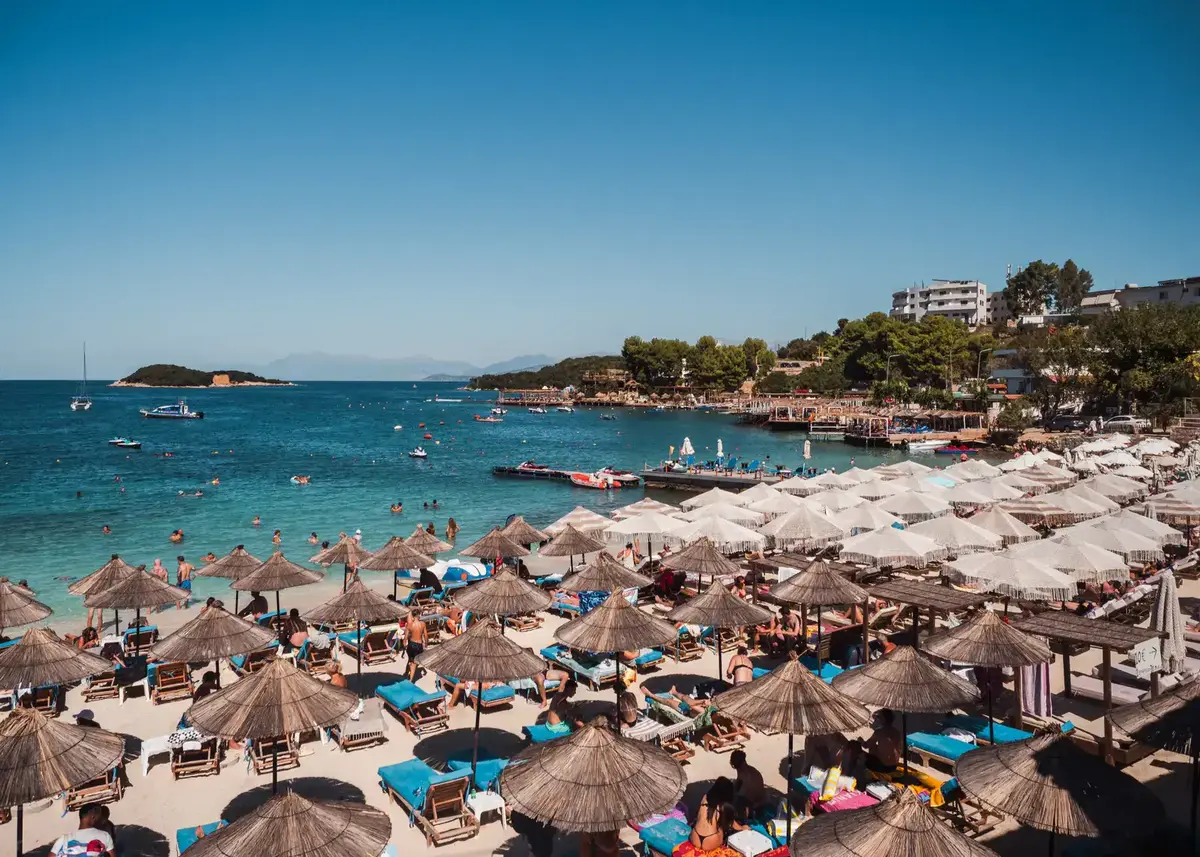
There is a genuine shift underway worth knowing about. Authorities have run enforcement operations clearing unauthorized piers, floating platforms and moored craft from the Ksamil shoreline, and the municipality has cut back the number of maritime corridors to establish safety perimeters where people actually swim. That improves the water and the safety picture. It does not undo the sunbed concession model, which is what actually determines whether you can put a towel down.
Travelers seeking quiet should spend their time in Himare instead. The water quality is comparable, the beaches require no sunbed rental to access, and the town hasn’t been reshaped around beach club revenue. Ksamil makes sense as a half-day visit in shoulder season — late May or October — when the paid infrastructure pulls back and the coastline becomes accessible again. As an overnight base in August, it delivers loud and expensive in roughly equal measure.
This 7 days in Albania itinerary follows a logical southern loop — Tirana, Berat, the Llogara Pass, Himare, Dhermi, Saranda, Butrint, Gjirokaster, and back to Tirana. Total costs run from roughly $300 for backpackers to $1,800 and up for comfort travelers, and the country is meaningfully pricier in dollar terms than older guides claim. The three details worth fixing in your plan before you go: Americans get a full year visa-free rather than 90 days, the Llogara Tunnel now offers a bad-weather alternative to the pass, and Bunk’Art, Butrint and the castles all charge more than the numbers still circulating online.
The most consistent mistake is treating Albania like an easy, slow-paced destination — the mountain roads and transit gaps require tighter scheduling than the country’s small size suggests. For deeper background before you commit, our Albania travel guide covers the transport and money realities in more detail, and Albania vs Greece is worth reading if you’re still choosing between the two coastlines.
What’s your biggest question about pulling this trip off — the driving, the bus logistics, or something else entirely? Drop it in the comments and we’ll answer from experience.