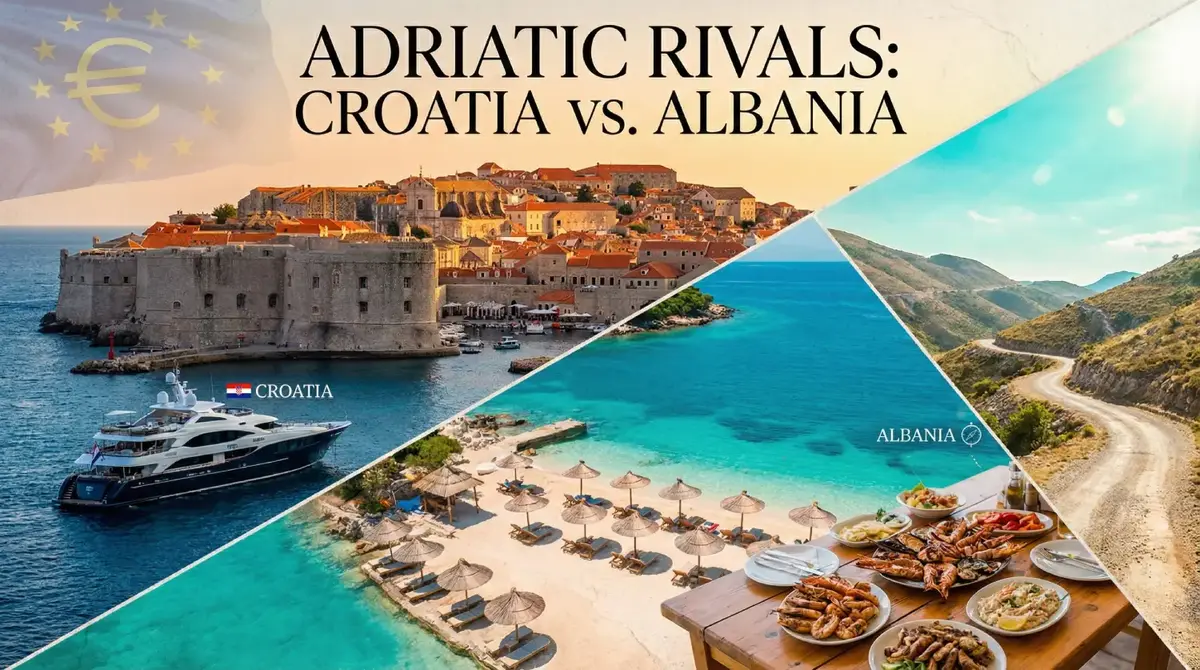
Planning an Adriatic trip means choosing between two radically different worlds. The Albania vs Croatia debate comes down to four things: real costs, border rules that have changed significantly, safety infrastructure, and beach truths. This guide is your cheat sheet so you can stop researching, sidestep the common pitfalls, and actually start booking.
The short answer: choose Croatia if you want dependable ferries, stroller-friendly towns, and a professional emergency response network. Choose Albania if you want roughly half the daily spend, emptier trails, and visa-free entry with zero Schengen paperwork. But note the shift most guides have not caught up with yet: the Albanian lek has been hitting record highs, so the price gap between the two countries is narrowing every season.
The Cost Breakdown: Euro Inflation vs The Lek Advantage
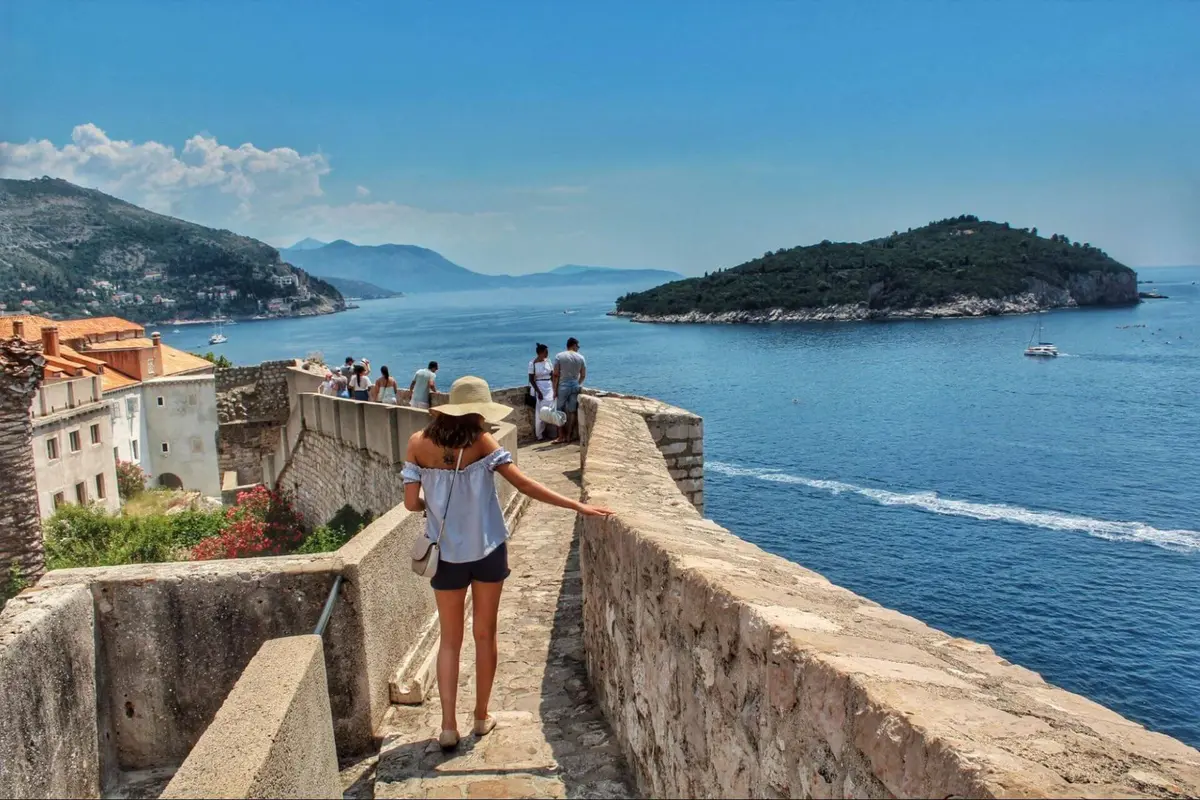
Croatia is no longer the budget-friendly Mediterranean escape it once was. Since adopting the euro, coastal prices have climbed sharply. A basic apartment in Dubrovnik or Hvar now runs roughly $170 to $285 per night in peak summer, and simply walking the Dubrovnik city walls costs €40 (about $46) in high season. On top of that, Croatia charges a nightly sojourn tax of around €2.65 per adult in peak-season hotspots like Dubrovnik and Split.
When comparing Albania vs Croatia on budget, Albania running on the Albanian lek still undercuts Croatia at nearly every turn. Expect to spend roughly $90 per person per day on a comfortable mid-range Albania trip, which comfortably shatters the $22-a-day myth still circulating online. The important caveat: the lek has appreciated dramatically over the past decade, moving from around 140 lek to the euro to under 100, driven by tourism receipts, remittances, and a construction boom. Practical translation for American travelers: Albania is still meaningfully cheaper than Croatia, but your dollar buys noticeably less lek than it did a few seasons ago, and coastal prices in Ksamil, Dhërmi, and Himarë have risen with demand.
| Expense | Croatia | Albania |
|---|---|---|
| Accommodation (peak summer) | $170–$285/night | $46–$80/night |
| Mid-range dinner | $30–$57/person | $11–$23/person |
| Daily average (mid-range) | $165–$225/person | ~$90/person |
| Headline entry fee | ~$46 (Dubrovnik walls, peak) | ~$12 (Butrint, 1,000 lek) |
| National park entry | ~$46 (Plitvice, peak season) | Free to ~$12 at most parks |
| Nightly tourist tax | ~€2.65/adult in peak hotspots | Usually folded into the room rate |
| Sunbed surcharge | Occasional at managed beaches | $23–$46 for two loungers in Ksamil |
Pro tip: Albania’s cash-heavy culture means ATMs are your best friend, but nearly every machine charges a flat foreign-card fee of 500 to 800 lek (about $6 to $10) per withdrawal. Pull out larger sums less frequently, and always decline the ATM’s offer to charge you in dollars. Accepting dynamic currency conversion can silently add 4 to 13 percent to the exchange rate.
Border Entry For US Passport Holders: EES, ETIAS, And The Schengen Clock
This is the section that has changed most, and getting it wrong will cost you time at the airport. Croatia is a full member of both the eurozone and the Schengen Area, which means two EU border systems apply to you.
The Entry/Exit System (EES) is live and mandatory. Passport stamping has been replaced across the Schengen Area by a biometric digital record. On your first entry, border officers or self-service kiosks capture your facial image and fingerprints alongside your passport data, and the system automatically tracks your 90-days-in-180 allowance. Croatia rolled this out early and reports a smooth transition, but the EU-wide launch has produced genuinely long queues at busy airports during peak summer, with aviation industry bodies warning of multi-hour waits at the worst-affected hubs. Build buffer time into tight connections.
ETIAS is not in force yet, despite what many older articles claim. The European Travel Information and Authorisation System has been postponed repeatedly and, at the time of writing, still has no confirmed live date. When it does launch, US citizens will need to apply online before departure. The fee is €20 (roughly $23) for applicants aged 18 to 70, free for those under 18 or over 70, and an approved authorisation lasts three years or until your passport expires. Most applications are expected to clear within minutes, but the official guidance allows up to four days, and longer if documentation is requested. Apply only through the official EU portal; third-party sites charge markups for the same form.
Albania sits outside both the EU and the Schengen Area. US passport holders enter visa-free with zero pre-authorisation, making it one of the most frictionless destinations in Europe for Americans. There is an underrated planning bonus here: days spent in Albania do not count against your Schengen 90-in-180 allowance. If you are doing a long European trip and watching that clock, Albania effectively buys you time. Just remember that your EU mobile plan does not follow you across the border, which is covered further down.
Getting There From North America: Flights And Routing
Croatia has meaningfully better transatlantic access. United is currently the only US carrier flying nonstop, operating seasonal service from Newark to Dubrovnik and a newer seasonal Newark to Split route on a Boeing 767-300ER. Split is the more useful landing point if islands are your priority, since the ferry terminal sits beside the old town. Outside those windows you are connecting through Frankfurt, Munich, Vienna, Amsterdam, or Zagreb.
Albania has exactly one nonstop link to North America: Air Transat’s weekly seasonal Toronto to Tirana service on an Airbus A330. There is no nonstop from the United States. From US gateways you connect through a European hub, but Tirana International Airport has expanded aggressively and now serves well over 100 direct European destinations, with Ryanair and Wizz Air bases keeping onward fares low. A Corfu flight plus the frequent high-season ferry to Sarandë is a genuinely good alternative for anyone heading straight to the southern Riviera.
One caution: Vlora International Airport has been built, certified, and assigned the IATA code VLO, and it is frequently written about as though it is open. Scheduled commercial service has slipped repeatedly. Confirm live schedules before you build an itinerary around landing there.
Pro tip: If you are combining both countries in one trip, fly into Tirana and out of Dubrovnik or Split, or vice versa. One-way car rental drop fees between the two countries routinely run €450 to €550 (roughly $510 to $630), so plan your routing around flights rather than roads.
Infrastructure Realities: Seamless Ferries vs Improvised Minibuses
Croatia’s ferry system is the envy of the Adriatic. Regular, punctual boats connect Split to Hvar, Brač, Vis, and Korčula, plus dozens of smaller islands. You can island-hop for a week with nothing more than a timetable and a light bag.
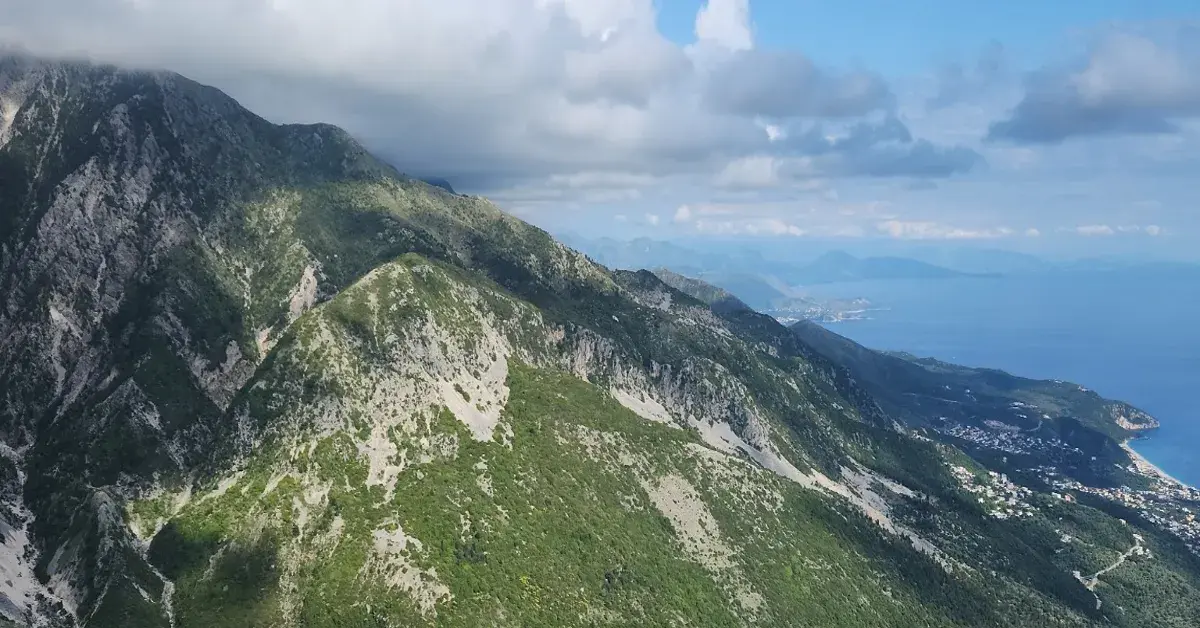
Albania moves differently. Minibuses called furgons cover most coastal and mountain routes for roughly $4 to $9 per trip, but they run on informal schedules and you book a seat by turning up. That said, the “rugged Albania” cliché is aging fast. The Llogara Tunnel, a 5.9-kilometre bore beneath the Llogara Pass, has cut the Dukat to Palasë leg from about thirty white-knuckle minutes of hairpins to roughly seven, and the SH8 coastal highway has been modernised end to end. The tunnel is now tolled at 250 lek (about $3) each way for a passenger car, which is close to a rounding error against the time saved. The old pass road is still there and still spectacular if you want the view.
Families with strollers, travellers with mobility concerns, or anyone who needs predictable transit will find Croatia is the clear call. Solo backpackers and adventure travellers willing to embrace improvisation will find Albania rewards them with experiences that feel genuinely unscripted.
Rental Cars And Road Safety: The Honest Assessment
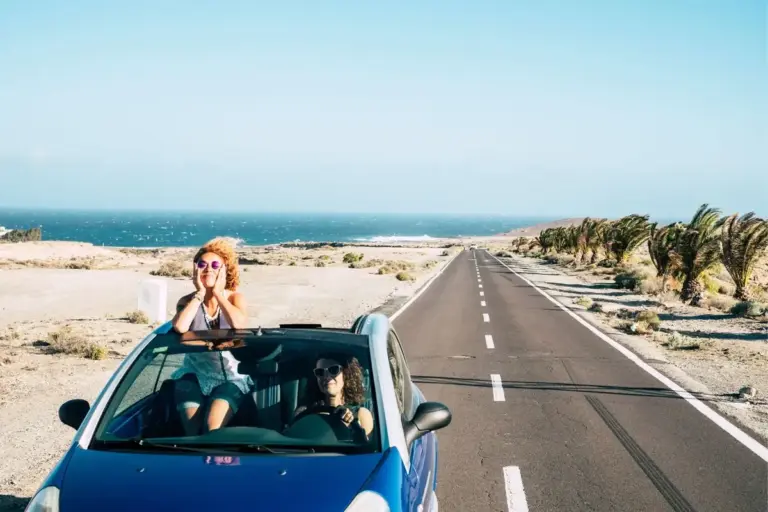
Croatia’s highways are modern, well-marked, and part of the Pan-European road network. Coastal driving is genuinely pleasurable because the roads are safe and signage is clear. One practical upgrade worth knowing: the Pelješac Bridge means the Split to Dubrovnik drive no longer requires crossing the Bosnian Neum corridor and its two border checks.
Albania is a different experience. Blind corners on mountain passes, aggressive overtaking, and stray livestock on rural roads after dark are real hazards, not travel-blog exaggerations. Higher-clearance vehicles are worth the upgrade for anything beyond the main coastal and highway routes, and an International Driving Permit is widely recommended even where not strictly required. The Albanian Riviera drive is spectacular, but it demands your full attention.
One correction to a myth that circulates constantly: Albania and Croatia do not share a border. Any overland crossing between them transits Montenegro, most commonly via the Muriqan–Sukobin crossing near Shkodër and then north through Kotor. Rental companies require written cross-border authorisation plus Green Card insurance for this, and Croatian suppliers typically charge a permit fee in the €80 to €180 range for taking a car into Albania.
Pro tip: Never book a rental car in Tirana planning to drop it in Dubrovnik. Rent separately in each country and cross the border by bus or private shuttle. On a two-week trip, that single decision saves more than the cost of several nights’ accommodation.
Emergency Infrastructure: The Safety Premium You Actually Pay For
Croatia has a world-class mountain rescue service, the HGSS, with helicopter evacuation capability including direct airlift from remote Dalmatian beaches and islands. You reach it, along with ambulance, fire, and police, through the pan-European 112 number, which is answered in English among other languages and typically picks up within seconds.
Albania is developing rapidly, but its emergency response system is not at the same level. In remote areas like the Accursed Mountains near Theth, or isolated Riviera coves accessible only by 4×4, personal risk is meaningfully higher and you are more likely to rely on local goodwill than on state rescue services. This is not a reason to avoid Albania. It is a reason to carry travel insurance that explicitly includes medical evacuation and repatriation, to tell someone your exact route before heading into the backcountry, and to download offline maps before you lose signal.
The Beach Showdown: Dalmatian Pebbles vs Ionian Sand
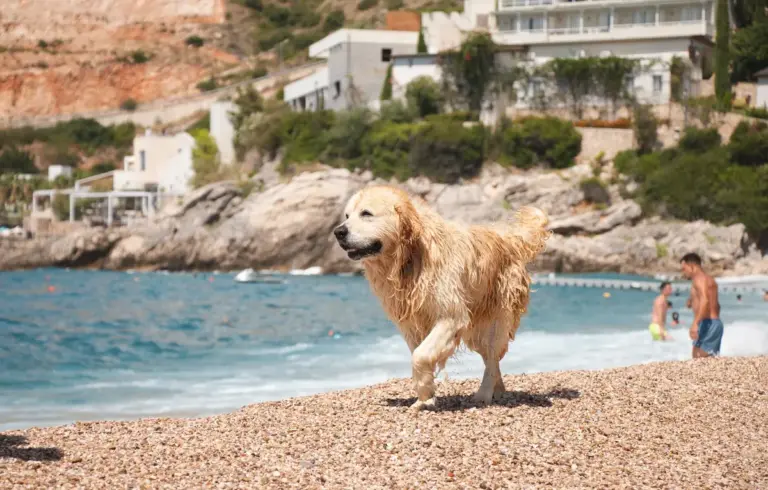
Croatia offers more than a thousand islands and islets across roughly 5,800 kilometres of coastline, most beaches featuring polished pebbles, pine trees growing to the waterline, and startlingly clear water. Access is the selling point: a large share of the best-known beaches are a short walk from the nearest town, and the Blue Flag network is extensive.
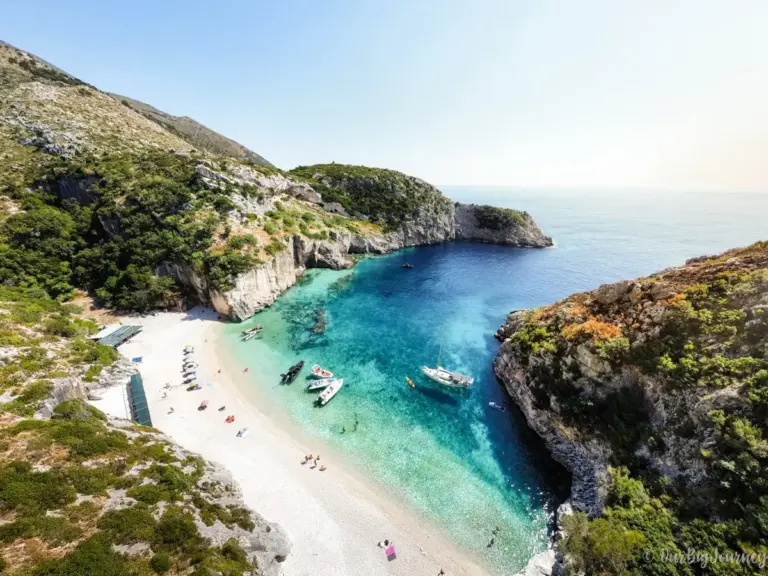
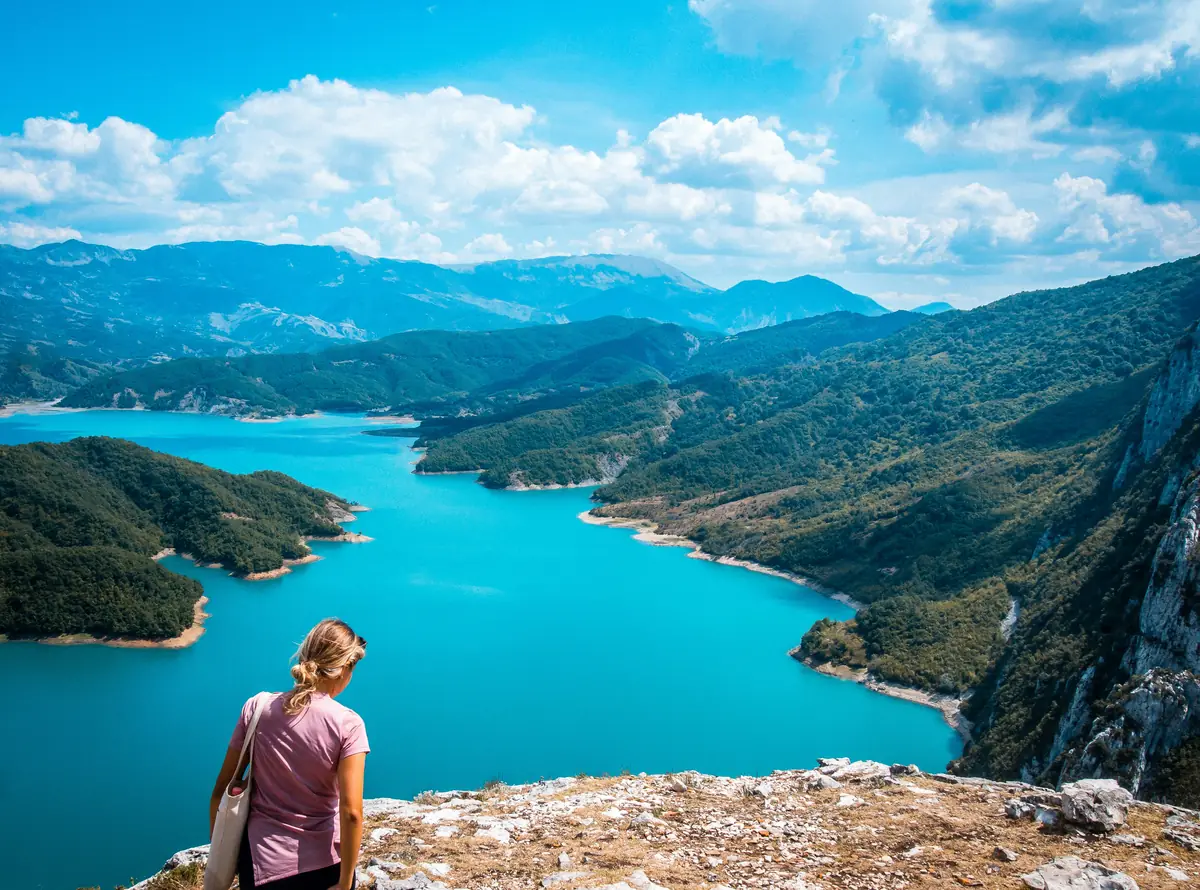
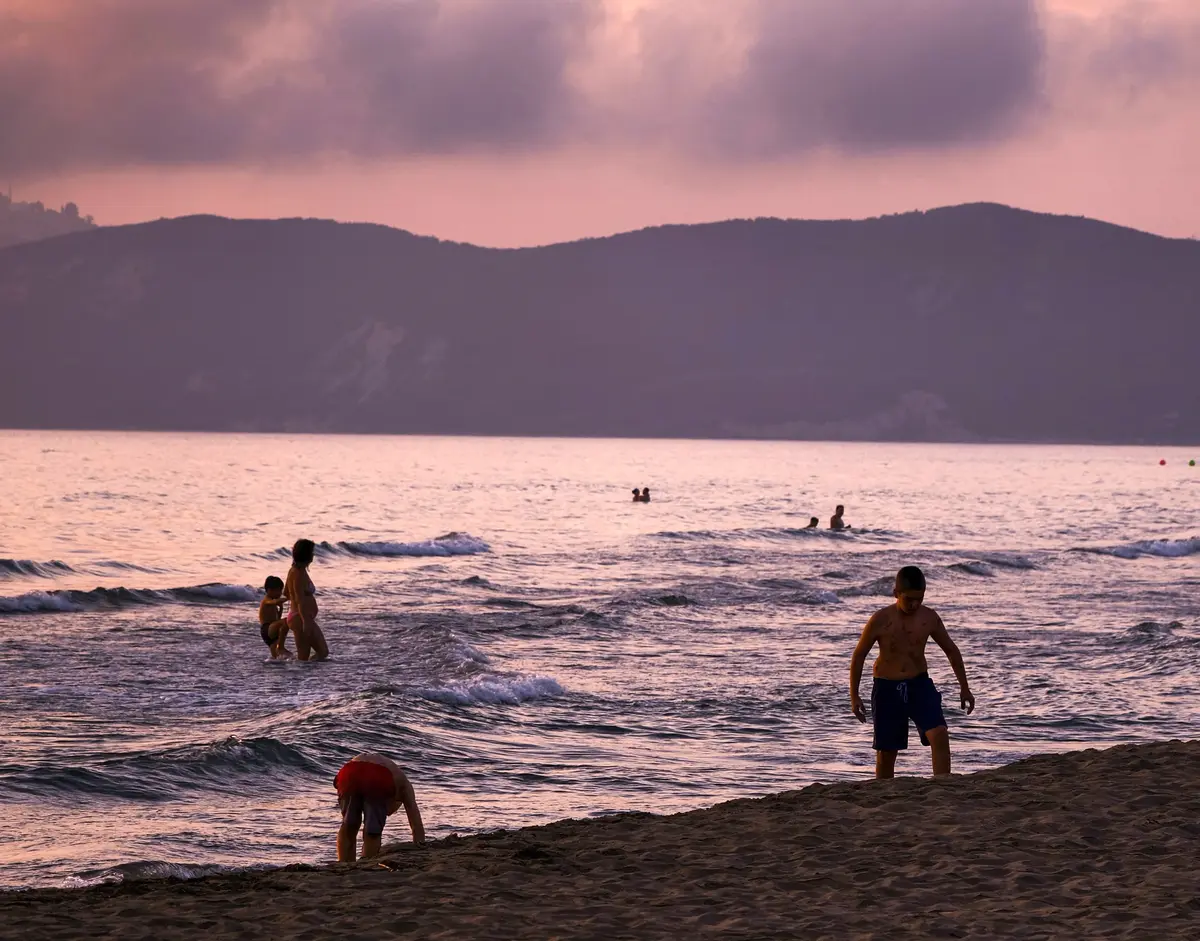
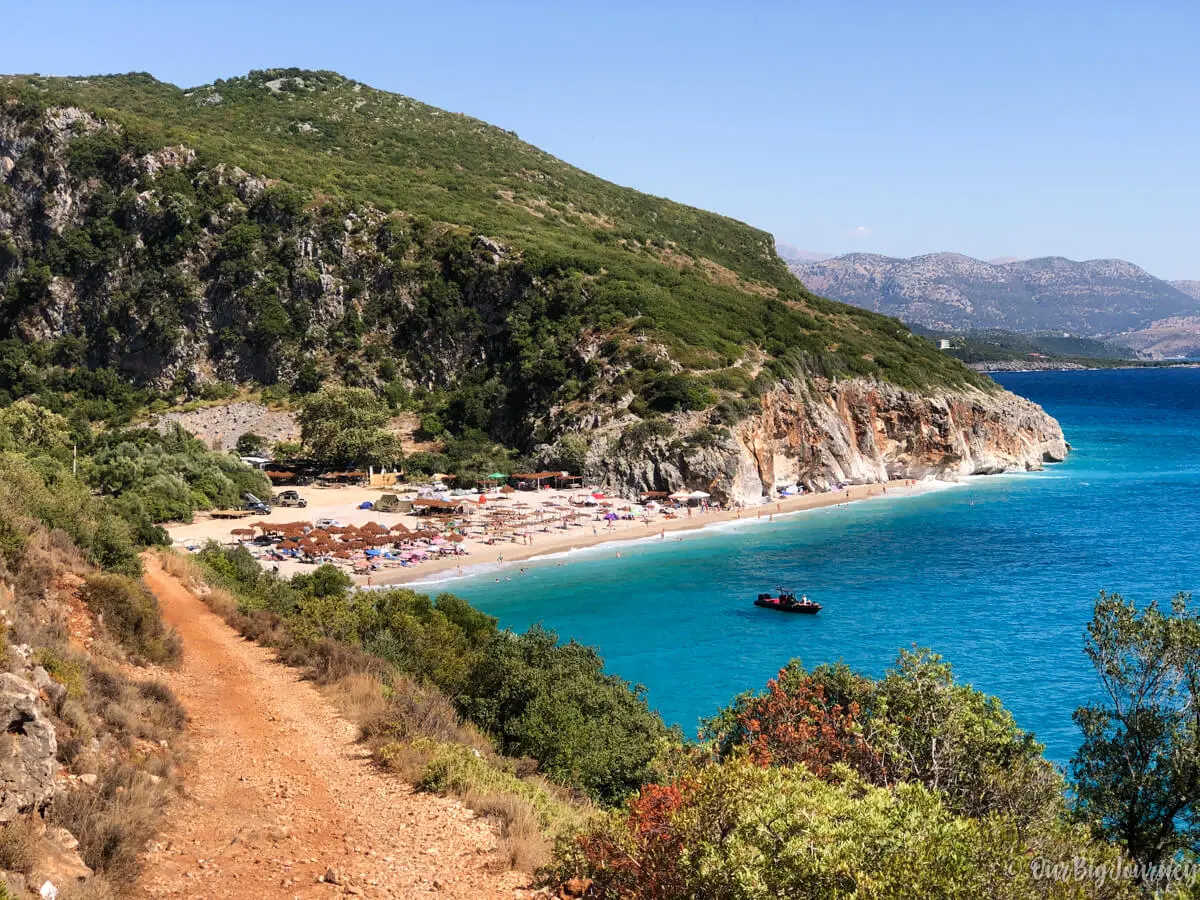
Albania’s coastline is younger, wilder, and backed by dramatic mountain drops into the Ionian Sea. Beaches range from golden sand to mixed pebble, and the best ones require effort. Gjipe Beach, one of the most striking on the entire Riviera, demands a thirty-minute forest hike or a 4×4 approach, and you will not find sunbed attendants there.
There is also a legal change worth knowing before you go. Albanian regulation now requires that a share of every kilometre of coastline, in practice around 30 percent of each 1,000-metre stretch, stays open to the public free of charge, and the strip between the water and the first row of sunbeds is always free. Look for signage reading zonë e lirë. Enforcement is uneven and the free zones often lack showers and shade, but the days of being walked off a beach for laying down a towel are ending. The Albania vs Croatia question here isn’t which is better. It’s whether you want immediate access and service, or earned solitude.
Is the “Maldives of Europe” Overhyped?
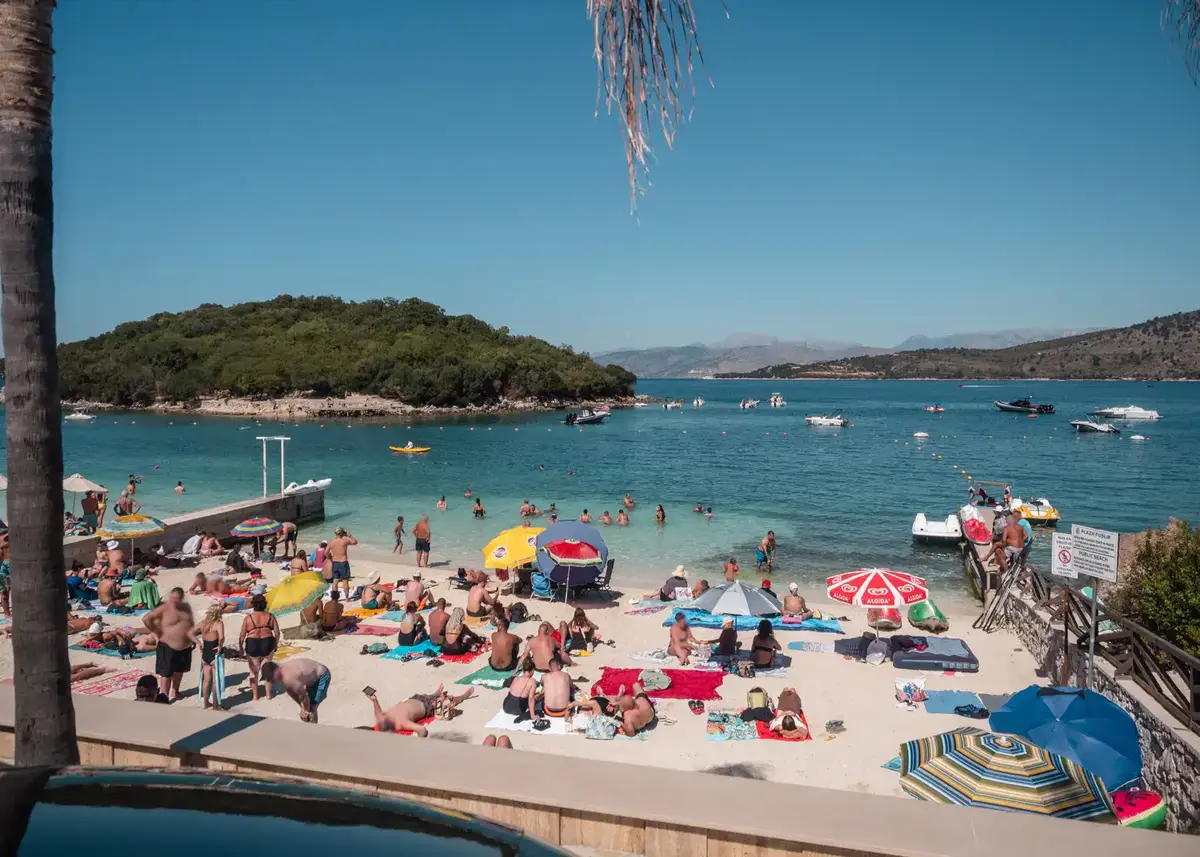
Yes, Ksamil is overhyped, though the water genuinely lives up to the photographs. It is clear, shallow, and warm, with small islands you can swim to from shore. The experience around the water is the problem. Much of the prime shoreline is under concession, two sunbeds and an umbrella run roughly €20 to €40 (about $23 to $46) per day on the central strip, and premium cabanas at the top venues climb toward €70. Walk ten minutes off the main strip and the same setup drops to €10 to €20. In July and August the narrow streets are gridlocked, with scooters and tourist trains clogging every passage.
Pro tip: Skip central Ksamil in peak season and head to Borsh Beach, roughly 4.5 miles (7 km) of sand that stays largely uncrowded even in August, or to the laid-back villages of Dhërmi and Drymades. At any managed beach anywhere on the Riviera, walking past the last row of umbrellas gets you free sand.
National Parks And Hiking: Regulated Boardwalks vs Wild Frontiers
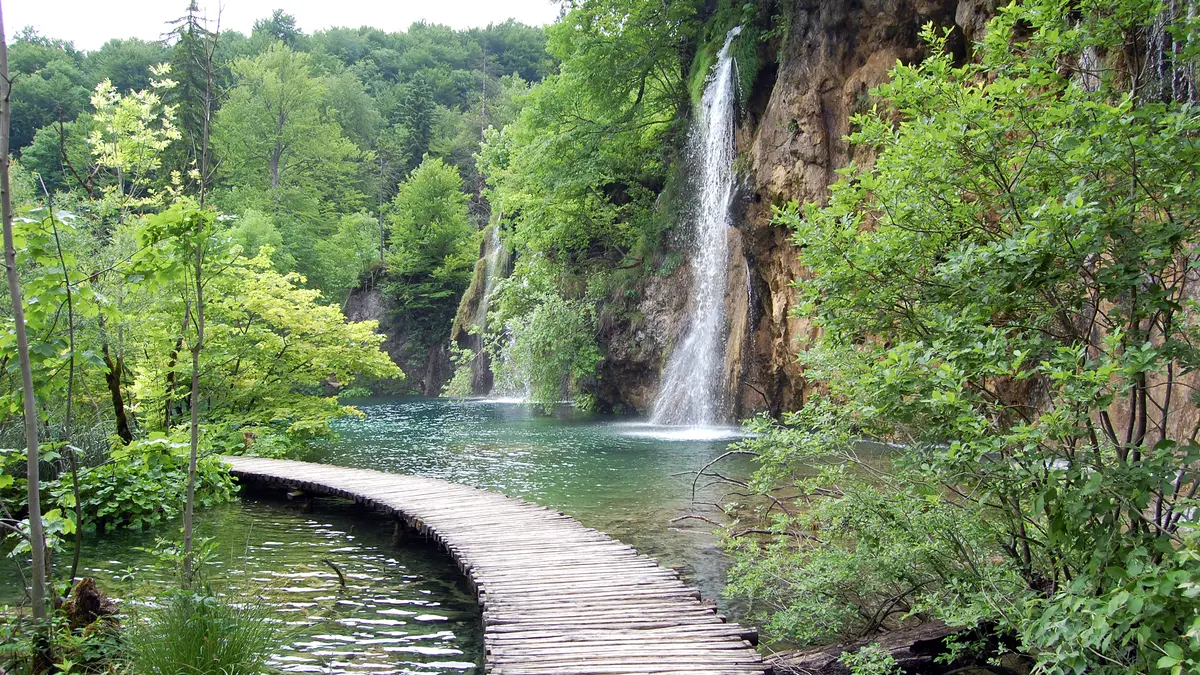
Plitvice Lakes in Croatia draws well over 1.5 million visitors a year and is managed accordingly. Entry is timed and capped by the hour, pre-booked e-tickets are effectively mandatory in summer, boardwalks are manicured, and swimming is banned to protect the tufa formations. Pricing is steeply seasonal: roughly €40 in peak summer, about €23.50 in the shoulder months, €10 in winter, and a reduced late-afternoon rate in high season. It is spectacular and heavily managed, functioning like a theme park of natural beauty in the best possible sense.
Albania protects around 18 percent of its territory across roughly fifteen national parks, but with far lighter on-the-ground regulation. The headline achievement is the Vjosa Wild River National Park, the first wild river national park in Europe, protecting a river that runs undammed for hundreds of kilometres from the Greek Pindus range to the Adriatic and now offers rafting and kayaking in an ecosystem that has never been interrupted.
In the north, the crossing between Theth and Valbonë over the Valbona Pass is one of the finest alpine day hikes in Europe, roughly 17 kilometres and six to eight hours, usually built into a three or four day loop that includes the Lake Koman ferry. Push further and you are onto the multi-day Peaks of the Balkans route, which continues into Montenegro and Kosovo. One note of sensory honesty from those high pack-animal tracks between Plav and Valbonë: the crisp mountain air gives way abruptly to the earthy smell of livestock using the same narrow paths, then just as suddenly shifts to the rich perfume of dense wildflowers near the dried glacial lakes. It is raw, beautiful, and completely unmediated.
Historical Sites: Roman Palaces vs Ottoman Layering
Croatia’s headline sites are polished and heavily visited. Diocletian’s Palace in Split is a living neighbourhood built inside Roman ruins, and wandering it costs nothing. Dubrovnik’s medieval walls are impeccably preserved and priced accordingly at €40 in high season, dropping to around €20 in winter.
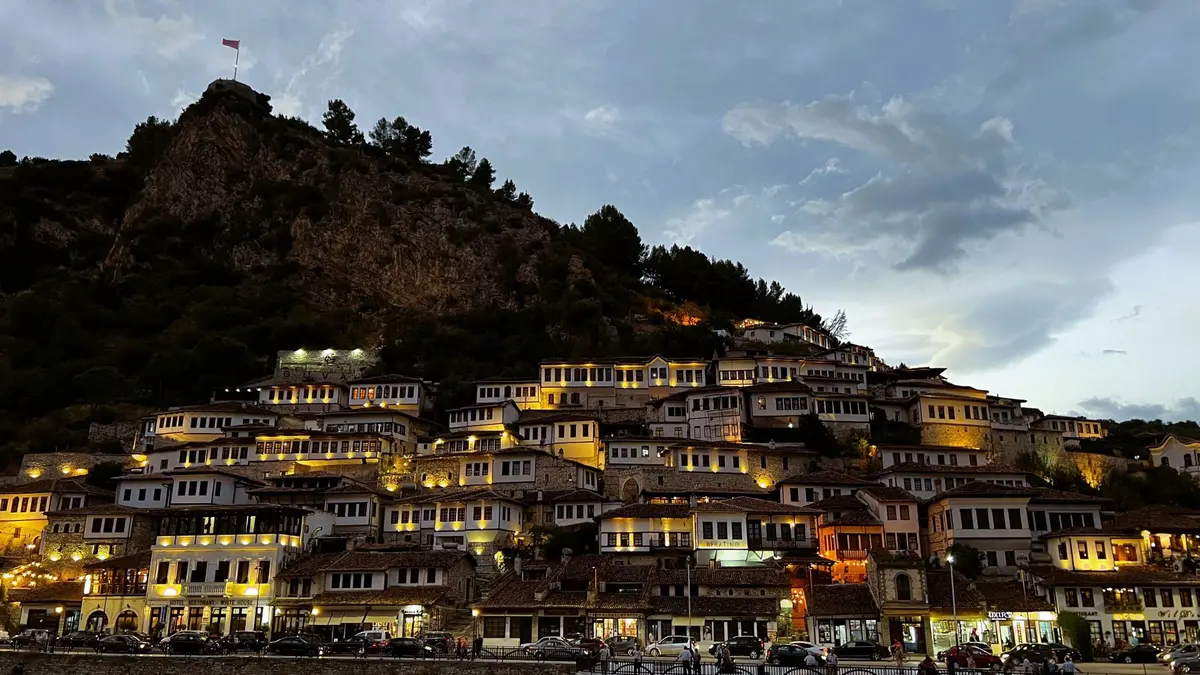
Albania offers four UNESCO World Heritage listings: Butrint, the historic centres of Berat and Gjirokastër, the Ohrid region shared with North Macedonia, and a share of the transnational ancient beech forests. Berat, the City of a Thousand Windows, with its whitewashed Ottoman houses climbing a steep hillside, costs almost nothing to explore. Butrint, layering Greek, Roman, Byzantine, Venetian, and Ottoman remains around a Hellenistic theatre, charges 1,000 lek (about $12). For roughly the price of one lap around Dubrovnik’s walls, you could spend several days working through Albania’s entire UNESCO portfolio.
Pro tip: In Dubrovnik, compare the standalone walls ticket against the Dubrovnik Pass before you buy. The pass costs the same or only marginally more and bundles in a set of museums, Fort Lovrijenac, and public transport. Almost nobody who walks the walls should be buying the standalone ticket.
Food And Drink: Adriatic Refinement vs Balkan Abundance
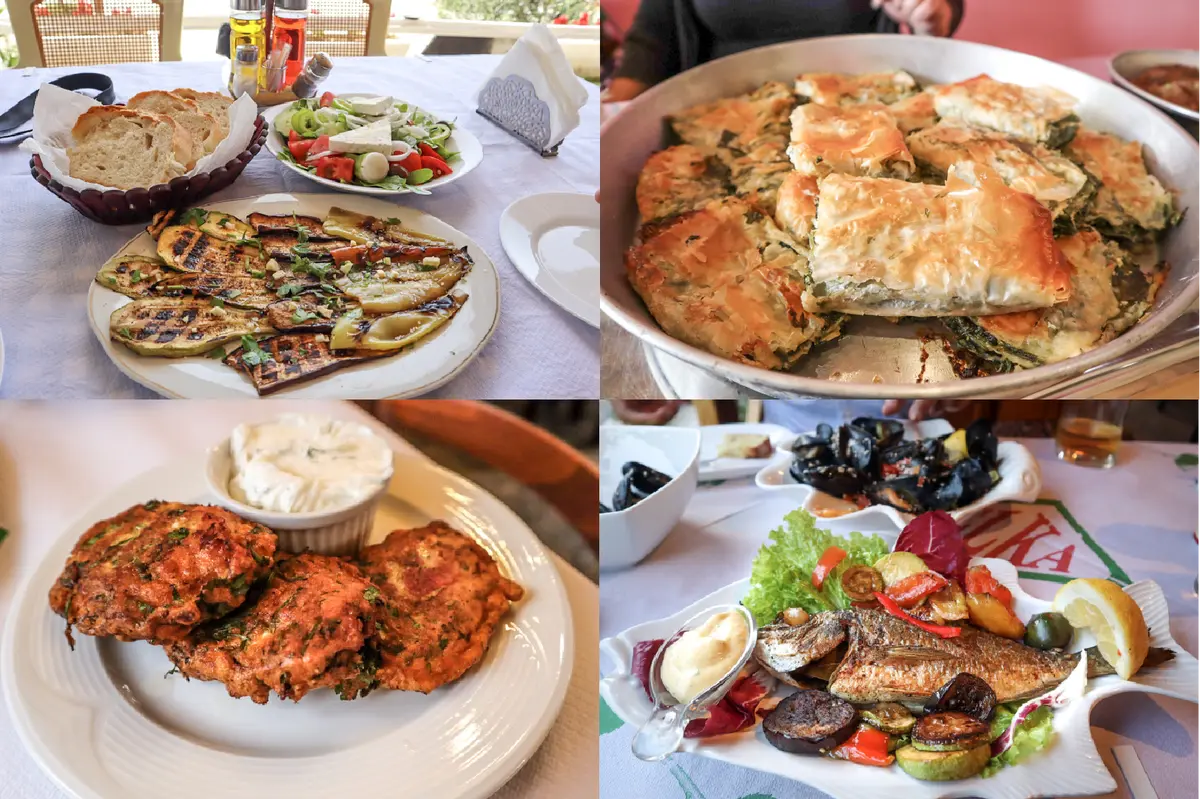
Croatia’s coastal cuisine is Mediterranean in character and eurozone in price. Expect €25 to €50 per person (roughly $30 to $57) for a quality seafood dinner on the Dalmatian coast. Grilled fish, octopus salad, and oysters from Mali Ston are the highlights, and the Dalmatian wine regions are serious and tightly regulated, with Plavac Mali reds and Pošip whites worth seeking out.
Albania feeds you differently. A full spread of grilled meats, stuffed peppers, fresh salads, and house bread at a local tavern runs roughly 1,000 to 2,000 lek, or $11 to $23 per person. An espresso costs 100 to 150 lek, around $1.20 to $1.80, and Albanians drink several a day with something close to religious devotion.
Pro tip: In Albania, ask for byrek, a flaky savoury pastry, from a street bakery for breakfast. At around a dollar, it is one of the best travel meals in the Balkans.
Luxury Travel: Five-Star Croatia vs Boutique Albania
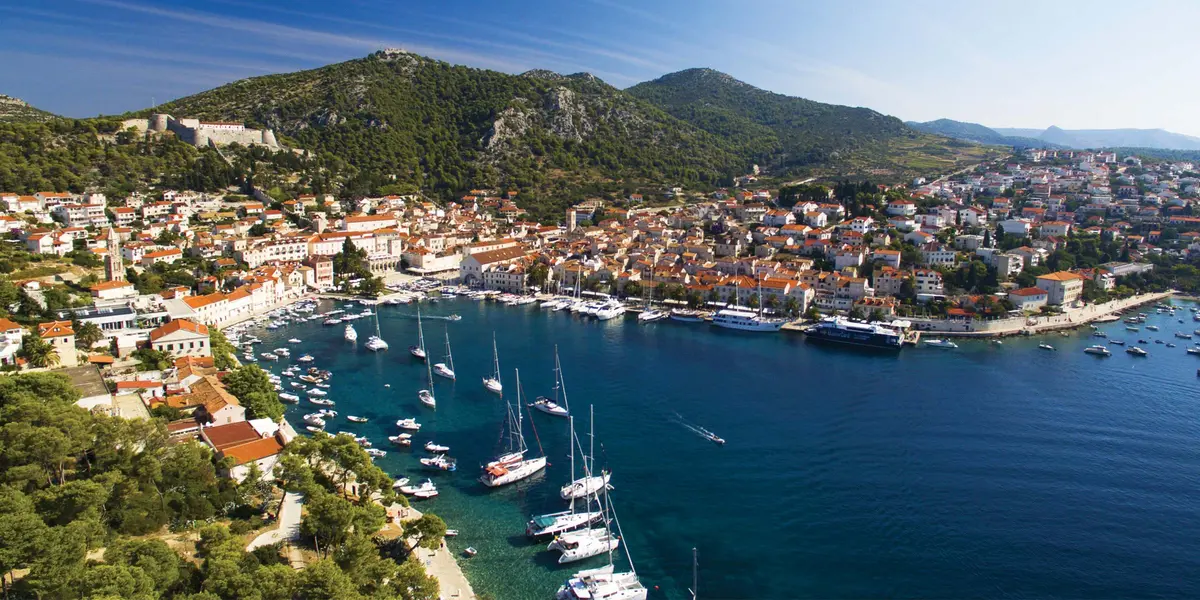
Croatia has a mature, polished luxury market: private yacht charters through the Kornati archipelago, a growing Michelin-starred and Michelin-recommended restaurant scene, and historic hotel conversions where anticipatory service is the standard. If you are celebrating a honeymoon or a milestone anniversary and need things to work flawlessly, Croatia delivers.
Albania’s luxury offering is best described as high comfort at a fraction of the cost. Premium sea-view boutique apartments run roughly €40 to €70 (about $46 to $80) per night, and international hotel brands are now arriving on the Riviera and in Tirana. Service can be warm and personal, but it lacks the institutional polish of the Adriatic’s established resort culture. Travellers who require seamless five-star consistency should book Croatia. Travellers who want beautiful surroundings and real comfort without the five-star price tag will find Albania overdelivers.
SIM Cards And Connectivity: Staying Online In The Balkans
| Option | Best For | Typical Data | Estimated Cost | Key Note |
|---|---|---|---|---|
| Local prepaid SIM (One Albania or Vodafone Albania) | Riviera road trips, longer stays | Tourist bundles | $11–$23 | Strongest rural coverage; bring your passport to register |
| Travel eSIM, data bundle (Airalo, Saily, Ubigi, Nomad) | Most travellers | ~10 GB / 30 days | $13–$20 | Most providers ride the same local network, so compare on price |
| Travel eSIM, unlimited | Heavy users and tetherers | Unlimited / 30 days | $65–$100 | Convenient but the priciest per gigabyte; check tethering caps |
| Croatian or EU SIM used in Albania | Croatia only | Varies | Varies | Albania sits outside EU roaming; capped rates apply, though EU–Western Balkans roaming-free agreements are being negotiated |
| US carrier international plan | Short trips, minimal setup | Varies | Varies | Confirm Albania is on your plan’s list; many “Europe” passes exclude it |
Pro tip: Buy and install your Albanian SIM or eSIM before departure so navigation works the moment you land. On Albania’s mountain roads, coverage drops out entirely in places, so download offline maps for the whole Riviera and the Alps in advance.
Choose Croatia if you are visiting Europe for the first time, travelling with young children, need stroller-friendly infrastructure, want reliable ferry connections between islands, or simply refuse to accept uncertainty in your transit plans. Croatia is also the correct answer if a medical emergency would be genuinely catastrophic for your trip.
Choose Albania if you are a budget-conscious traveller who has already done the Dalmatian coast, you want to hike without crowds, you prefer eating with locals over dining for an audience, and you can tolerate a transit system that runs on informal schedules rather than published timetables. If that sounds like your trip, our complete Albania travel guide covers the planning detail from arrival to departure.
Do both if you have 12 to 14 days, strong organisational instincts, and separate rental cars in each country. Fly into Tirana, drive the Riviera south to north through the Llogara Tunnel, cross into Montenegro by bus, continue to Dubrovnik, and pick up Croatia’s ferry network in Split. It remains one of the best back-to-back itineraries in the region.
Albania and Croatia aren’t really competing. They are serving completely different travellers. Croatia offers polish, predictability, and premium experiences that justify every euro spent. Albania offers something increasingly rare in Europe, which is the feeling that you got there before everyone else, though with record visitor numbers arriving each season, that window is closing faster than most guides admit. When finalising your Albania vs Croatia plans, the real question is: which version of a great trip do you actually want?
Prices, ticket costs, and entry rules in both countries change by season and are subject to revision. Verify current figures with official park, ticketing, and EU border sources before you book.