Planning an Albanian trip on limited vacation days? Finding the absolute best time to visit Albania cuts through the vague seasonal advice and gives you the exact ferry dates, driving laws, price tiers, and crowd realities you need to build a trip that actually works.
The short answer: The best time to visit Albania is late May through June, or September through mid-October. Those windows are the only stretches when the alpine passes, the Komani Lake car ferry, and the Riviera beach season are all open at the same time — at roughly 30–40% below peak-summer prices. July and August work only if you head north into the mountains instead of south to the coast.
The Logistics You Need to Know Before Picking a Season
Most travel guides open with a weather chart. This one doesn’t. In Albania, the calendar month dictates not just temperature — it dictates whether you can legally drive a mountain pass, physically reach a village, or afford a hotel room. Start here.
Managing the Cash Economy and ATM Fees
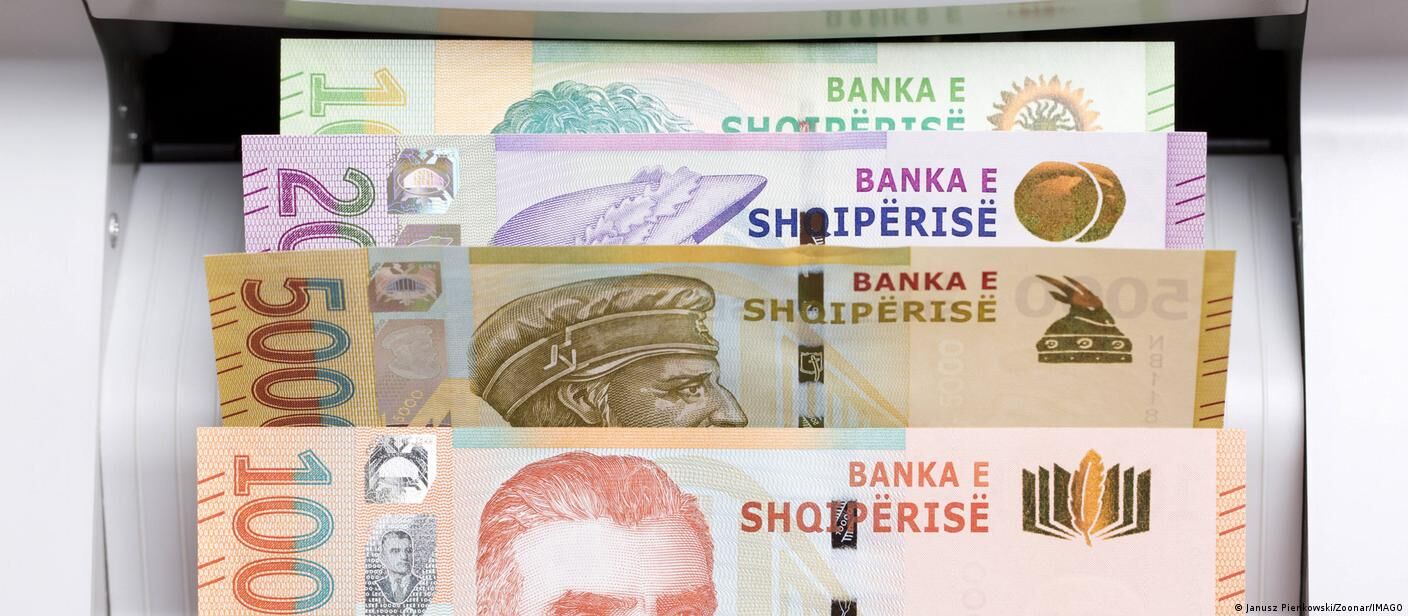
Albania still runs heavily on physical currency, and the withdrawal math has gotten worse, not better. There is no longer a genuinely fee-free ATM in the country. Credins Bank, which travel blogs still recommend as free, now charges around 600 lek. Most other banks charge 500–800 lek (roughly $6–$9) per withdrawal, and independent Euronet machines are consistently the most expensive. Note that Alpha Bank no longer exists as a separate network — it merged into OTP.
Two rules save real money. First, always decline the ATM’s offer to convert to your home currency; choose to be charged in Albanian lek (ALL) and let your own bank handle the exchange. Accepting dynamic currency conversion typically costs another 6–10%. Second, withdraw large and withdraw rarely — the fee is flat, so one big pull costs the same as one small one. BKT allows the highest single withdrawal at 75,000 lek; Credins caps at 50,000 lek.
The other shift worth knowing: the lek has strengthened considerably against both the euro and the dollar. The old mental shortcut of 1 euro to 100 lek now works against you, because businesses that accept euros still price at that rate while the real rate sits closer to 95. Paying in euros quietly costs 6–10% on everything. Cards are now widely accepted in Tirana, Saranda, Vlora, and Durrës, but cash remains essential for furgons (shared minibuses), mountain guesthouses, small tavernas, and rural markets. Daily budget benchmarks:
- Shoulder season (May, June, Sep, Oct): €40–€60/day (about $45–$70)
- Peak summer (Jul–Aug): €60–€100+/day (about $70–$115+)
- Beach costs: In central Ksamil, a set of two sunbeds and an umbrella runs €20–€40 in peak season, dropping to €10–€20 away from the main strip. Premium cabanas at the top venues reach €70.
Pro Tip: Albanian law requires every beach to keep a free public zone, and the shoreline strip closest to the water must stay accessible. You can always lay a towel down without paying — at Ksamil and Dhërmi the paid zone dominates, but at Borsh, Livadhi, and Spile the free space is generous. Bring your own umbrella and skip the rental entirely.
Snow Chains, Winter Tires, and Mountain Driving Laws
This is one of the most commonly misreported facts about driving in Albania, so be precise about what the law actually says:
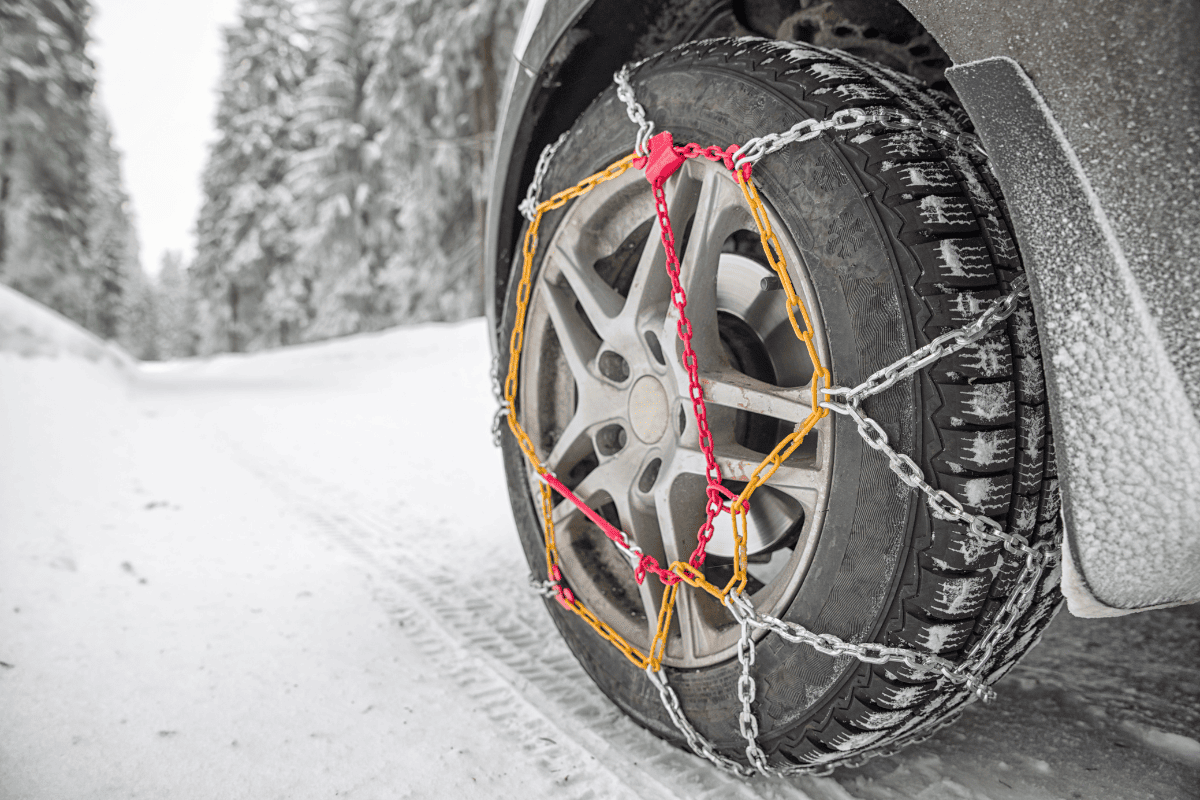
- Snow chains — legally required: Between November 1 and April 30 you must carry properly fitting snow chains in the vehicle. Actually fitting them becomes mandatory where the round blue chains sign is posted, or where the road is covered in snow or ice.
- Winter tires — strongly advised, not mandated: Albania has no blanket winter tire law. Tires marked with the 3PMSF three-peak snowflake symbol are still the sensible choice for any mountain driving between late autumn and spring, but no statute forces you to fit them.
The practical problem is that most Albanian rental fleets run summer tires by default and will not volunteer chains. Demand both explicitly at the Tirana airport counter and confirm the chains are in the trunk and the right size for the wheels before you leave the lot. Practice fitting them once in the parking lot, not on a snowbound switchback.
Komani Lake Ferry Seasons and Schedules
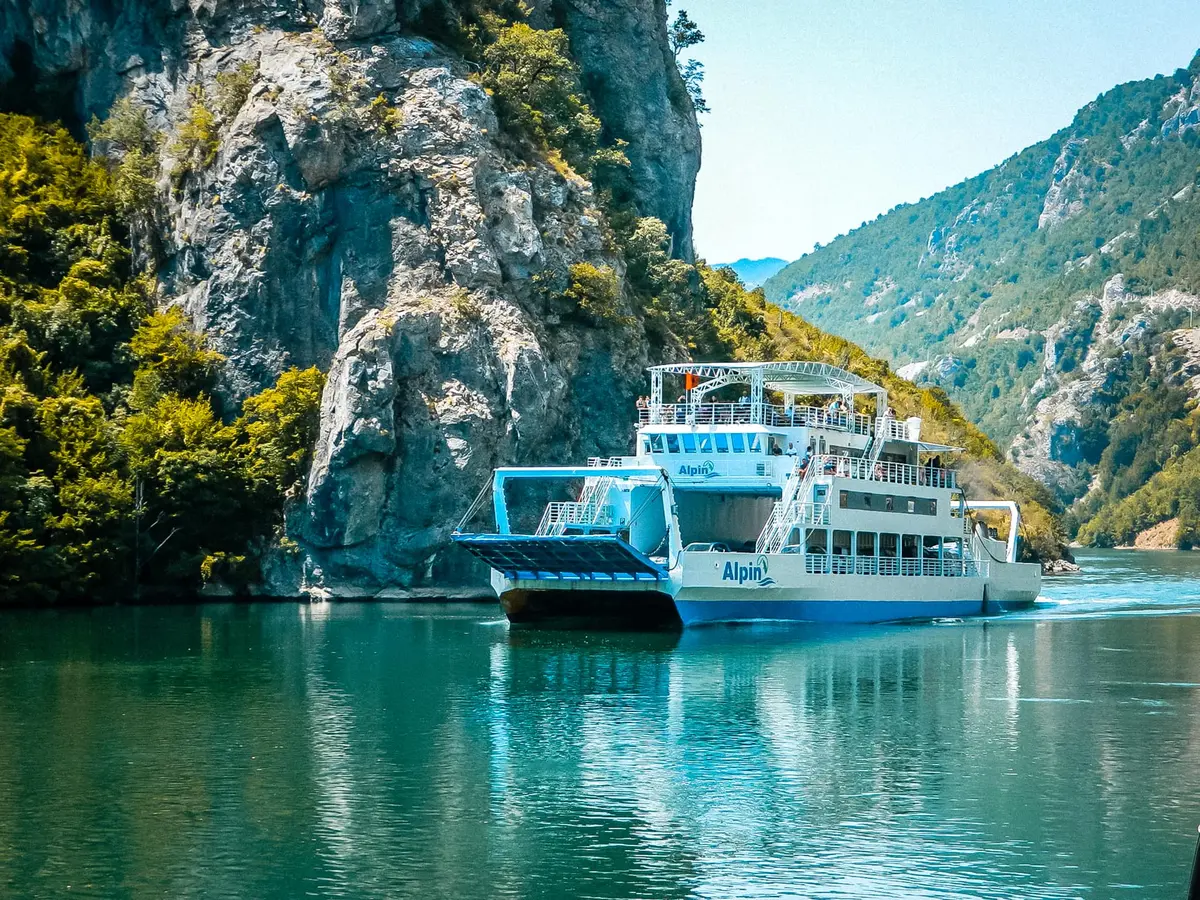
The Lake Komani crossing is the critical infrastructure link for any northern Albania loop. Two vessels handle the route, and confusing them will strand your itinerary.
| Vessel | Operational Season | Vehicle Transport | Departs Koman | Departs Fierza |
| Berisha Ferry | April 15 – November 5 | Yes (cars, campers, minibuses, bikes) | 9:00 AM | 1:00 PM |
| Dragobia Boat | Year-round, including winter | No (passengers and motorbikes only) | 9:00 AM | 6:00 AM |
Note the Dragobia’s direction of travel: it starts its day from Fierza at 6:00 AM and returns from Koman at 9:00 AM — the opposite rhythm to the Berisha ferry. Guides that list a 6:00 PM Fierza departure are wrong, and following one means missing the boat by twelve hours.
A Berisha passenger ticket costs €8.80 booked online or €10 (1,000 lek) in cash at the dock — around $10 to $12. Cars are priced by footprint at €7 per square meter online or €8 in cash, so a typical 5 m² rental runs roughly €35–€40. Car spaces are limited in high season and must be reserved with the plate number in advance. Berisha also runs feeder minibuses: Shkodër to Koman departs at 06:45 for €8, and Tirana to Koman leaves at 05:30 for €12.
The takeaway for trip planning: if you are road-tripping the north in early April or after the first week of November, the Berisha car ferry is not running. Build the itinerary around the Dragobia passenger boat and leave the car behind.
The Truth About the Road to Theth
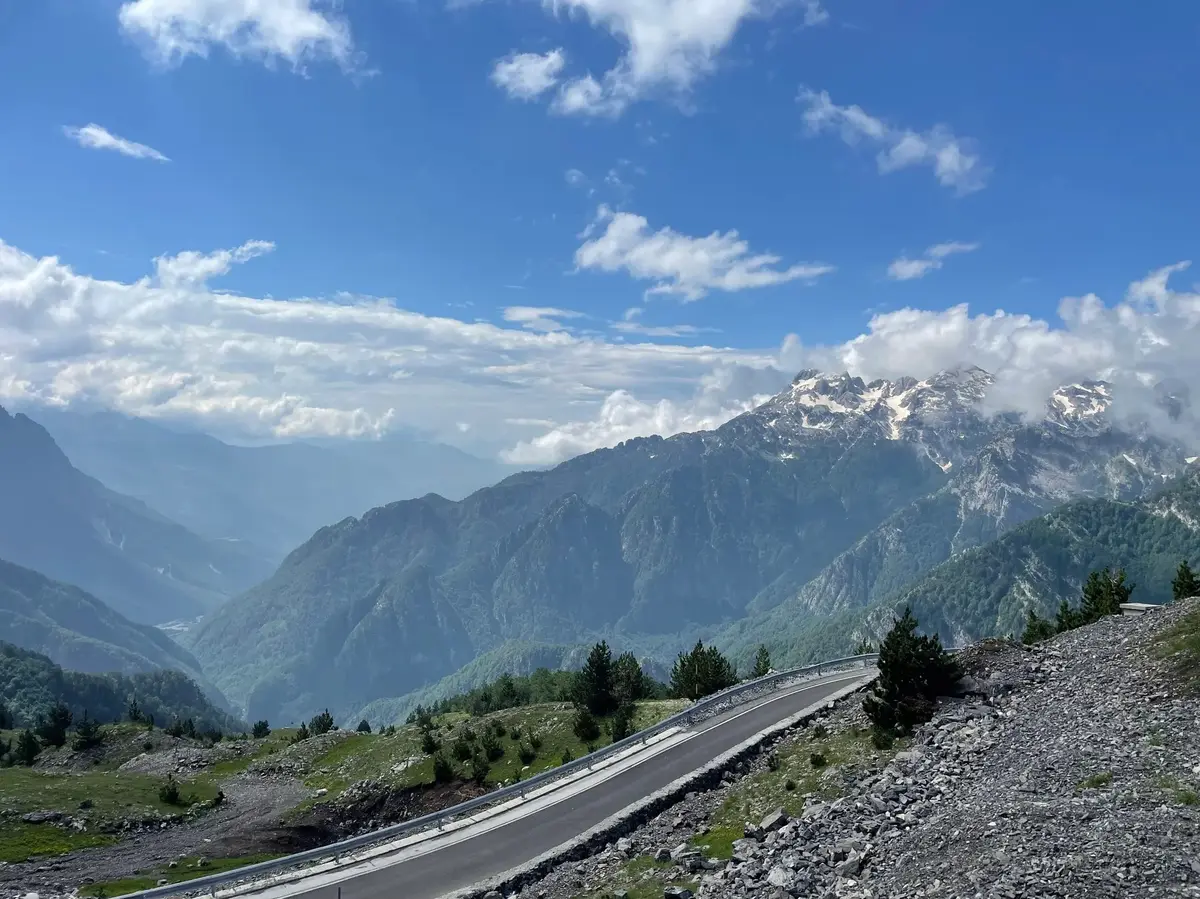
Here’s the myth that still costs travelers money: you do not need a 4×4 to reach Theth. The SH21 from Shkodra to Theth village — about 47 miles (76 km) — was fully paved at the end of the summer of 2021 and remains in good condition. A standard two-wheel-drive rental sedan handles it comfortably.
What guides get wrong is the timing. This is a mountain road climbing to the Qafa e Thores pass at roughly 5,700 feet (1,750 m), with a 12 km descent containing more than two dozen hairpins. Realistic driving time is 2 to 3 hours, not the 90 minutes some sources claim. Leave Shkodra before 7:00 AM to avoid meeting tour minibuses on blind corners, and fill the tank in Koplik — there is no fuel station in Theth.
The important nuance has also shifted. The road onward to Ndërlysaj, the trailhead village for the Blue Eye of Theth, is now largely surfaced, and paid parking sits near the trail start. You no longer strictly need a 4×4, but the surface deteriorates in stretches and a crossover or SUV with ground clearance is the sensible booking. Either way, the final approach to the Blue Eye and the climb to Grunas Waterfall are on foot over steep, rocky ground — no vehicle gets you to the water.
Pro Tip: If you booked a small sedan, hire a local guesthouse driver for the trailhead runs. It costs roughly €10–€15 (about $11–$17) and saves your rental car’s undercarriage — and your deposit.
Off-Season Closures: The Coastal Ghost Town Warning
From December through March, the Albanian Riviera essentially shuts down. The majority of hotels, restaurants, and beach businesses in Dhërmi, Himarë, and Ksamil close entirely, and the villages empty out to their winter populations.
Reopening is gradual rather than switch-flipped. Some businesses stir around Summer Day on March 14 — the pre-Christian spring holiday that is Albania’s most beloved seasonal marker — and Nevruz Day on March 22, but the coast does not meaningfully fill out until Easter and the weeks after. The hardest calendar marker is the Berisha car ferry restarting on April 15.
Booking cheap January flights to Saranda and expecting an open beachfront restaurant is a genuine, expensive mistake. Winter travelers should base themselves in Tirana, Shkodër, Berat, Gjirokastër, or Korçë, all of which maintain full urban hospitality infrastructure year-round. Saranda keeps a reduced core of restaurants open for its resident population, but it is a working town in winter, not a resort.
Entry Rules That Give US Travelers Unusual Flexibility
Two facts materially change how Americans should plan Albanian trip timing, and most seasonal guides skip both.
First, US passport holders can stay in Albania for up to one year without a visa or residence permit — confirmed by both the US Embassy in Tirana and the State Department’s country information page. No application, no fee. Your passport needs at least three months of validity beyond arrival, though six is the safer buffer. After a full year you must spend 90 days outside the country before re-entering visa-free.
Second, Albania is not in the Schengen Area. Days spent here do not count against your 90-in-180 Schengen allowance or interact with ETIAS. That makes Albania unusually useful as the flexible leg of a longer European trip — you can shift your Albanian dates into the cheap shoulder months without burning Schengen days you need for Italy or Greece.
What is the best time to visit Albania by region?
The best time to visit Albania by region depends on elevation and geography, not just the calendar month. Albania packs Mediterranean coastline and high-alpine terrain into a country roughly the size of Maryland, and the two halves run on different clocks.
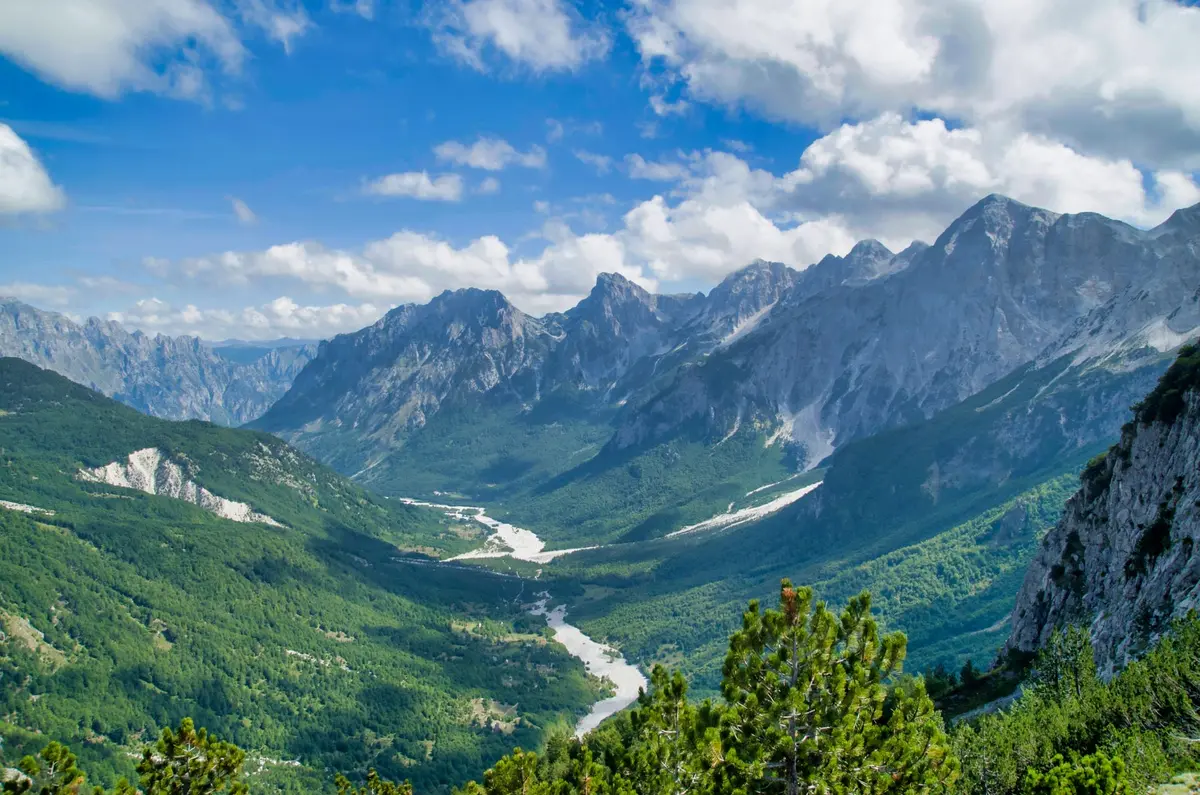
Albanian Alps and Hiking Accessibility
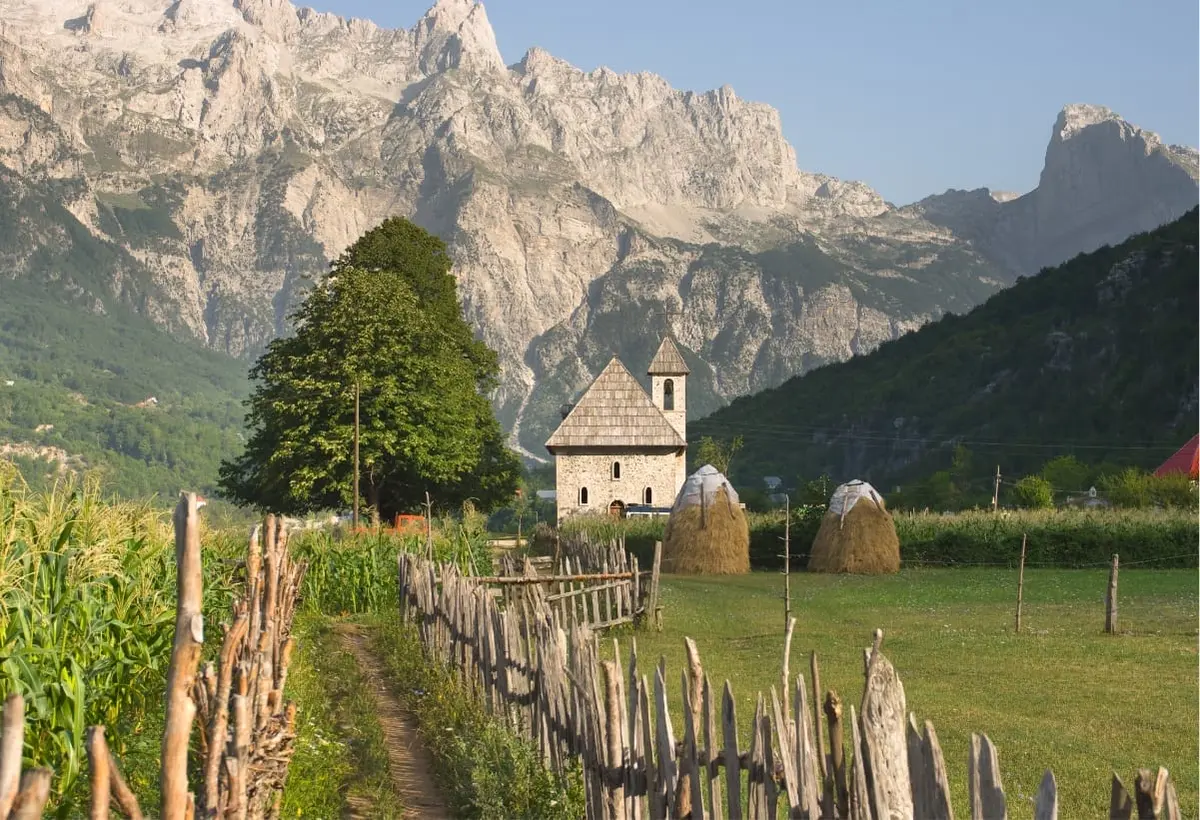
The Theth-to-Valbona crossing is the country’s most searched alpine route — and it is genuinely dangerous in the wrong season. Snow lingers on the pass far later than most visitors expect. In May and early June the standard summer descent is often impassable, and hikers who attempt it anyway end up on a steep traverse where a slip is very hard to arrest. Local guides route clients onto a longer, unmarked winter line during those weeks, which is not something to improvise without someone who knows it.
Plan the alpine leg like this:
- Mid-June to late September: the reliable window. Guesthouses fully staffed, trail marked, horses available for luggage transfer.
- Mid-July onward: when the standard summer descent from the pass is most consistently clear of snow.
- Early October: possible and beautiful, but snowfall risk on the pass rises and some guesthouses close after late September.
- May to early June, and late October onward: guide strongly recommended or the crossing skipped entirely.
The wildflowers above the treeline peak in June and July, which is the one genuine argument for accepting the crowds of high summer up here.
The Albanian Riviera and Coastal Heat Dynamics
July and August deliver the Riviera’s most punishing conditions. Saranda averages highs near 90°F (32°C) in August, with heatwave spikes pushing past 95°F (35°C), and coastal traffic on the single-lane SH8 can turn a four-hour drive into a six-hour ordeal.
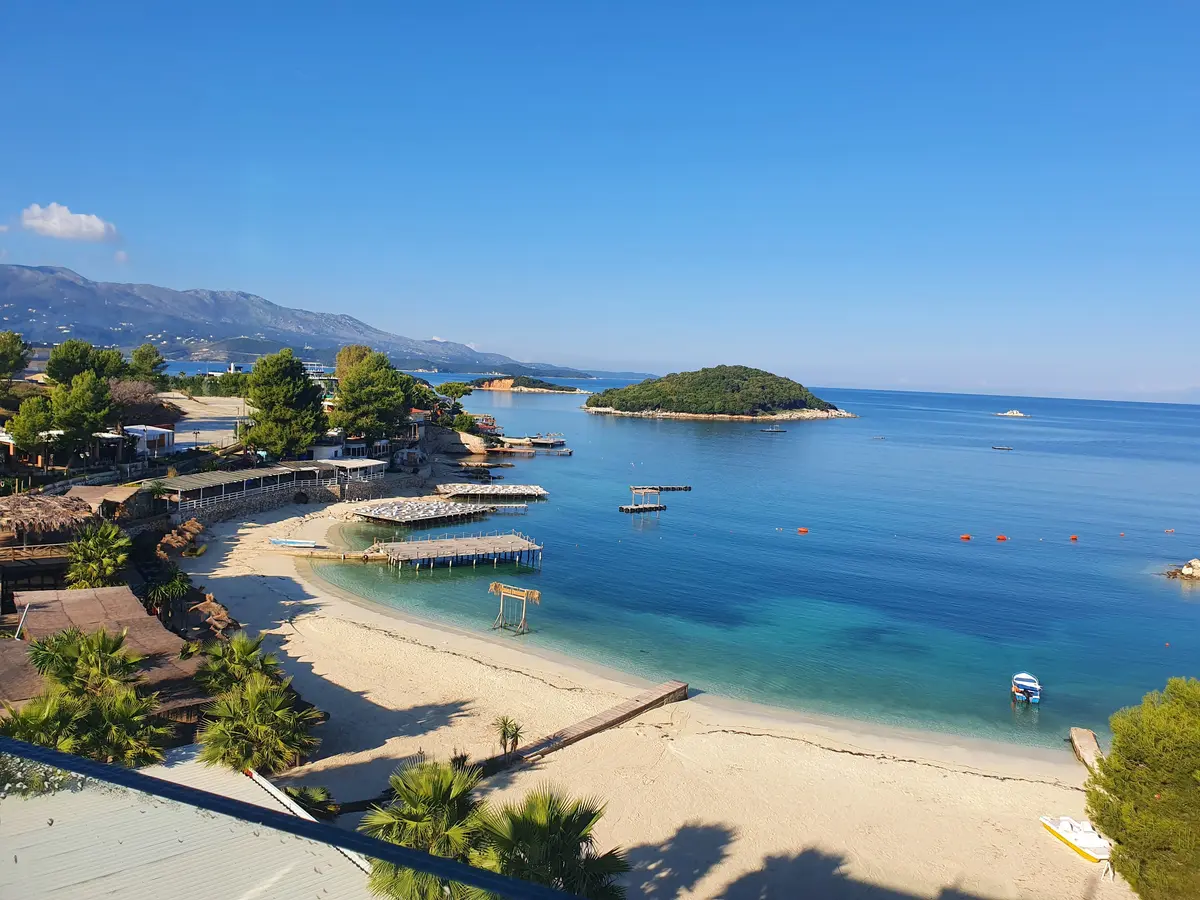
September is the coastal sweet spot, and the numbers back it up rather than just the vibes. Highs settle around 82°F (28°C), the Ionian holds at roughly 76°F (24–25°C) after warming all summer, sunshine averages close to nine hours a day, and rainfall stays near an inch for the whole month. The swimming season actually runs from June through early November, so October still delivers comfortable water even as the crowds vanish after the first week of September.
Inland Historical Cities: The Heat Sink Problem
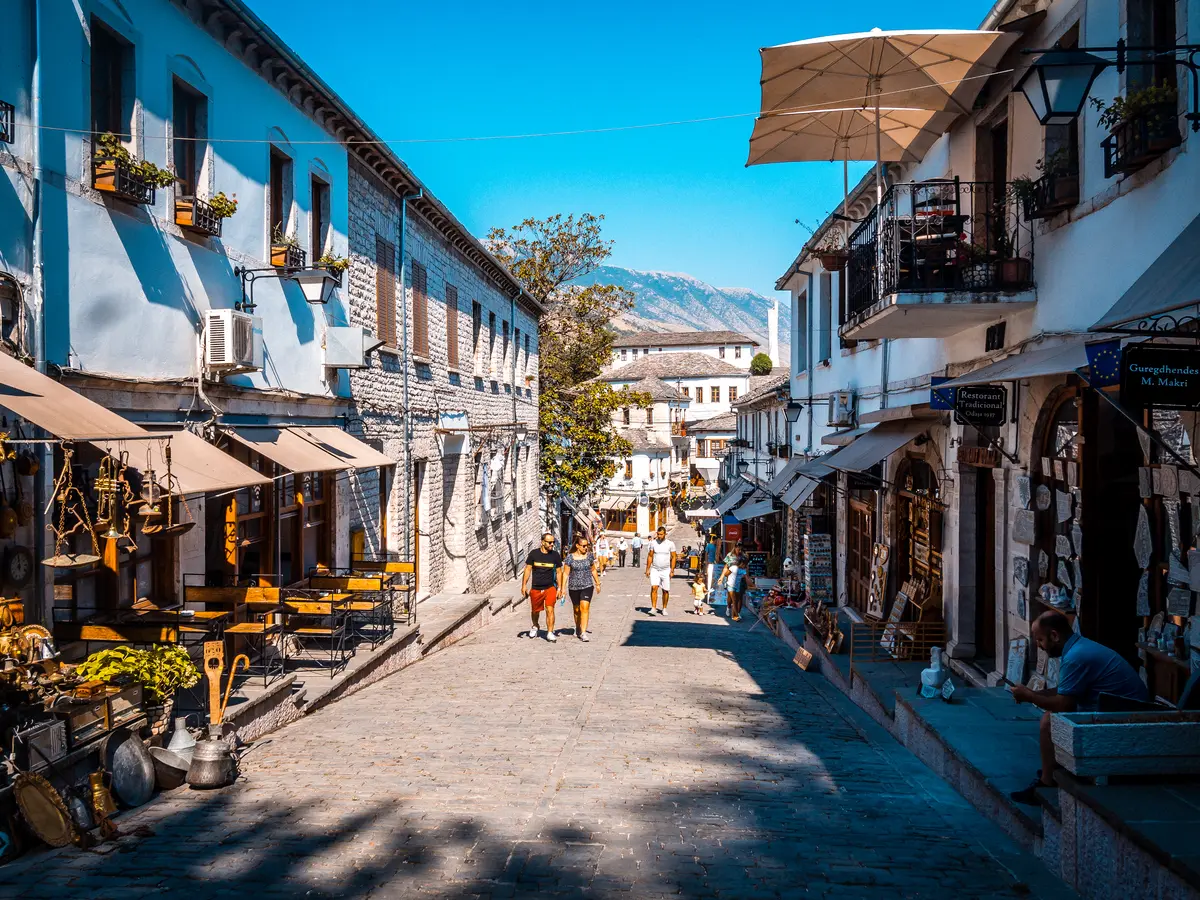
Berat and Gjirokastër, both UNESCO World Heritage sites, are built almost entirely of stone, with steep, exposed cobblestone streets. In July and August those streets function as heat sinks — absorbing and radiating heat with no coastal breeze to offset it, and the climb to either castle becomes an endurance test rather than a pleasure.
Visit these cities in April, May, October, or November, when cool air makes the fortress paths genuinely enjoyable. October adds a second reason: the surrounding valleys are mid-harvest, and Berat’s wineries are at their most active.
Best Time to Visit Albania Month by Month
January and February
The coldest period, with subzero temperatures in the eastern mountains and damp, cool conditions on the coast, where Saranda averages highs near 57°F (14°C). Nearly all coastal and alpine tourism infrastructure is closed.
- What works: Tirana’s Bunk’Art museums, the National History Museum, and the city’s café culture operate normally. Carnival celebrations run in Shkodër, Berat, Gjirokastër, and Korçë — dates track the start of Lent, so they can land anywhere from February to early April. Snowshoeing is available in the northern national parks for niche adventurers. Flight and accommodation costs hit their annual low.
- Best for: Solo travelers, couples seeking total authenticity, budget maximizers.
March and April
The country wakes up gradually across these two months, anchored by Summer Day on March 14 and Nevruz Day on March 22. Lake Ohrid and the ruins of Butrint become peacefully accessible to early arrivals, and the Berisha car ferry resumes on April 15.
The realistic warning: spring weather is volatile, with brief intense showers common. High alpine passes remain snowbound and dangerous. The sea sits in the high 50s to low 60s Fahrenheit — too cold for most swimmers. April is ideal for lowland hiking, city walking, and cultural exploration. It is not for beach days or mountain treks.
- Best for: Hikers sticking to valleys and lowlands, cultural travelers, budget seekers, birdwatchers at Karavasta Lagoon.
May and June
This window is the overall best time to visit Albania, full stop. Rainfall is minimal, evenings are long and warm, and — crucially — the alpine passes clear through June, making the coast, the interior, and the mountains simultaneously accessible for the first time in the calendar year.
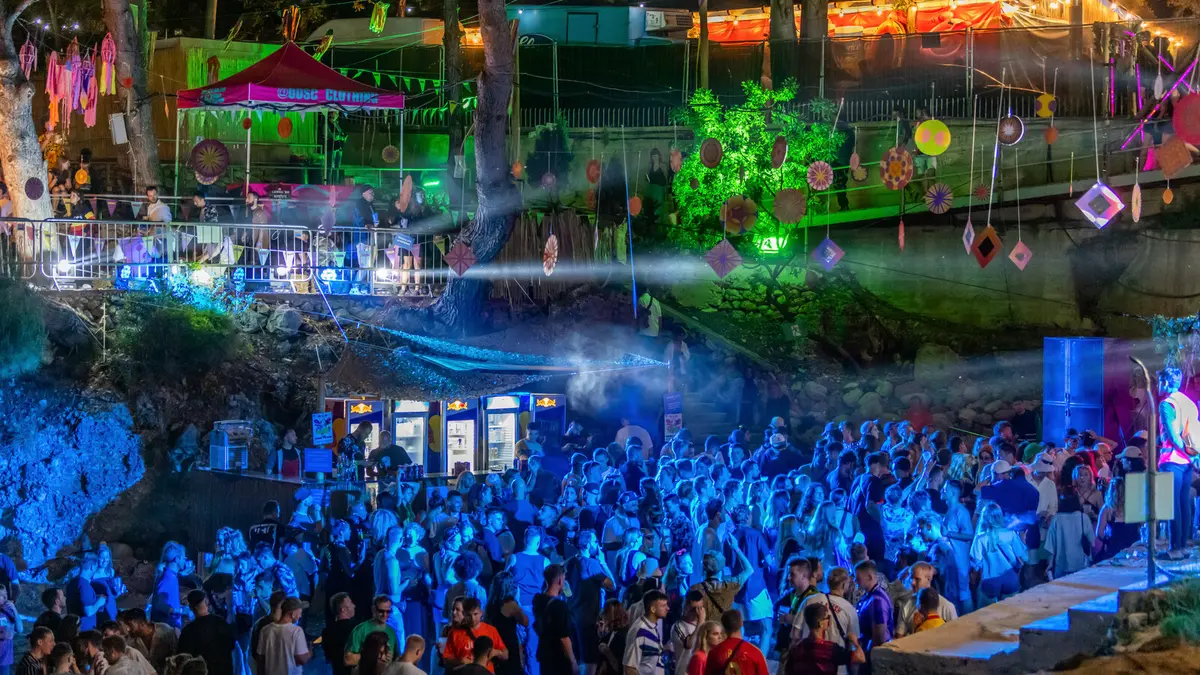
The caveat: Kala Festival occupies Dhërmi beach for roughly one week starting in the first days of June. If you are not attending, avoid that specific stretch of coast during that window — accommodation inventory in the village is effectively controlled by the festival and the logistics turn chaotic.
- Best for: Everyone. This window suits every travel style.
Pro Tip: Target the last two weeks of May for the quietest access to the Riviera at warm-but-not-scorching temperatures, before accommodation hits summer rates. If swimming is the priority rather than sightseeing, shift to the last two weeks of June — the water is meaningfully warmer and sunbed prices are still 20–40% below August.
July and August
Peak season brings the full force of summer: maximum crowds, maximum prices, and coastal afternoons around 90°F (32°C) with regular pushes above 95°F (35°C). Albania now receives more than 12 million international visitors a year — around five times its own population — and the great majority still arrive between June and September. You feel every bit of that on the SH8 in August.
The contrarian move: head north. Theth and Valbona sit at elevation, delivering a refreshing 63–72°F (17–22°C) while the coast bakes. August is arguably the single best month for an alpine road trip — all passes are open, the standard descent from the Valbona pass is clear of snow, guesthouses are fully staffed, and the mountain meadows are still in flower.
- Best for: Mountain hikers, alpine road trippers, travelers locked into fixed summer vacation dates who are willing to skip the coast.
September and October
The autumn shoulder season delivers the finest combination of conditions in the country: warm sea, cool air, thinning crowds, and a full harvest calendar. For value travelers, this shoulder season is the best time to visit Albania.
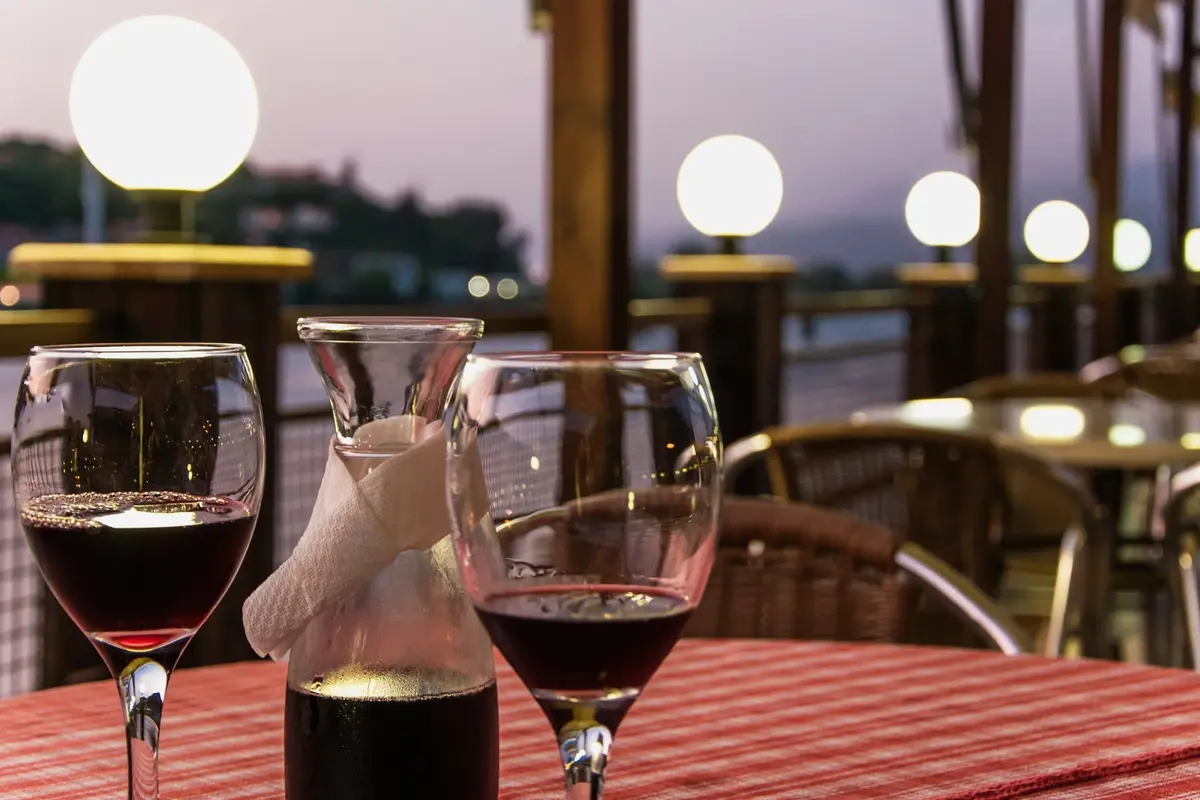
September gives you beach days without the summer chaos — the water is at its annual warmest even as air temperatures ease. October transforms the interior: grape harvests are underway around Berat and Pogradec, the national parks shift to autumn color, and wine tastings become a genuine itinerary centerpiece rather than a novelty. Daily budgets drop back to the €40–€60 range (about $45–$70), and rental car rates fall noticeably. This is where the best value-per-experience ratio lives.
- Best for: Foodies, wine travelers, photographers, late-season beach seekers, value-focused travelers.
November and December
November is Albania’s rainiest month, ending the hiking season and closing most Riviera businesses. The Berisha car ferry stops running after November 5, leaving only the Dragobia passenger boat on Lake Komani.
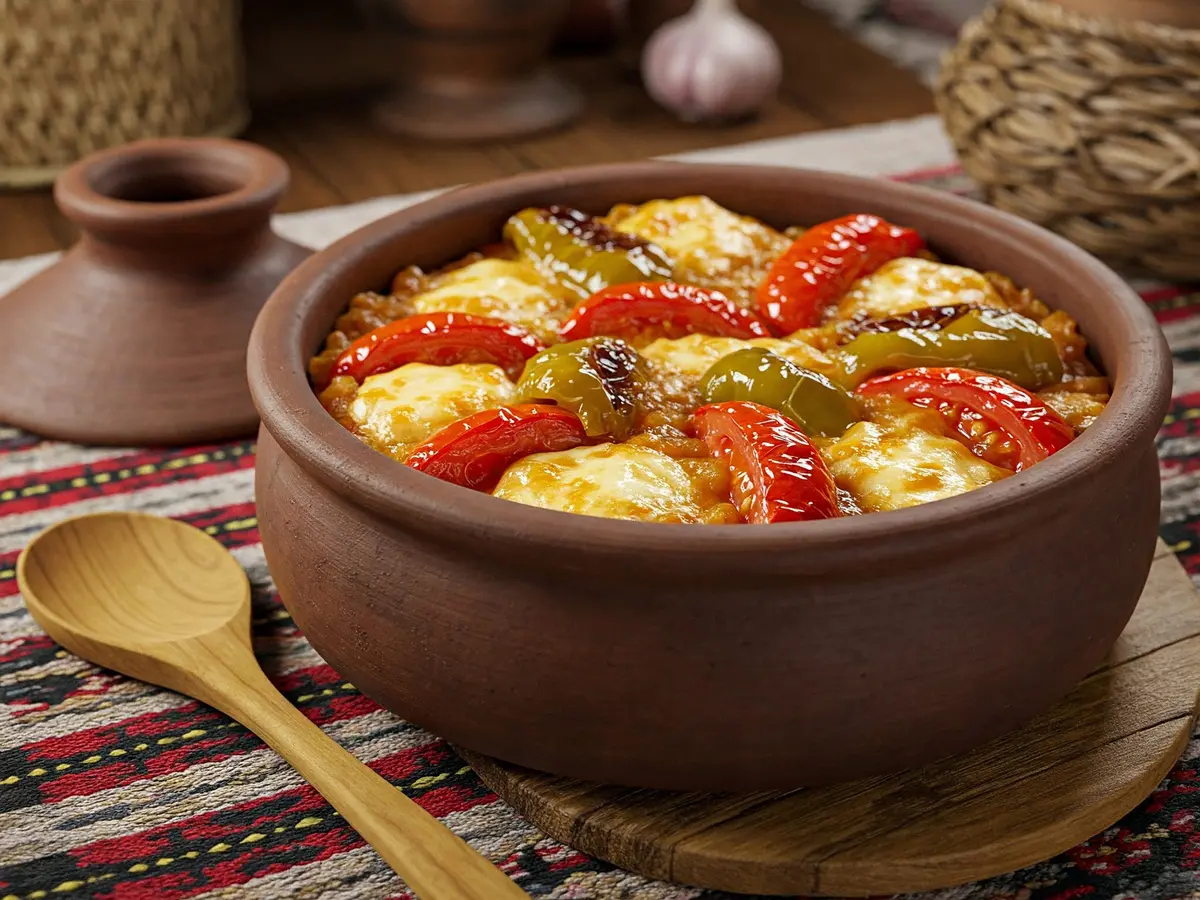
December’s redemption is urban and culinary. Tirana’s festive lights and markets come alive, Korçë runs a Christmas market from the first weekend into early January, and Pogradec hosts its long-running Wine and Chestnut Festival. This is the season for tavë kosi — slow-baked lamb with yogurt — hearty bean broths, roasted chestnuts, and mountain herb teas by a fire in a stone taverna.
- Best for: Couples seeking a quiet, culinary-focused retreat; travelers on a tight budget; anyone who wants Albanian cities to themselves.
Festival and Event Timing
Kala Festival (Dhërmi Beach, Early June)
An 18+ boutique electronic music festival staged directly on Dhërmi beach for about a week beginning in the first days of June, across six open-air dancefloors.
The structural detail that catches people out: Kala does not sell music-only tickets. Every ticket is bundled with hotel accommodation, which is why village inventory disappears. Budget tier — a shared 3-star room for the full week — starts around €375 per person; 4-star sea-view runs roughly €580–€750; premium tiers reach €925–€1,100. The festival routinely sells out months ahead, sometimes by February, with an official fan-to-fan resale waitlist as the only legitimate late route in.
For non-attendees, this is a firm “avoid Dhërmi” week. For attendees, book far in advance.
Sunny Hill Festival (Pristina, Kosovo — Late July / Early August)
A three-day festival at Sunny Hill Park in Pristina, founded by Dukagjin Lipa and his daughter Dua Lipa. It typically lands at the turn of July into August and draws tens of thousands of the global Albanian diaspora plus international fans. Dua Lipa headlines in some years but not all — recent lineups have been built around other global headliners, so check before assuming.
The logistical impact on an Albanian itinerary: cross-border buses book out, the Morina and Vermica crossings see significant delays, and Pristina accommodation becomes scarce and expensive. Kosovo is a natural add-on to a northern Albania loop, but plan the border days deliberately if your trip overlaps.
Gjirokastër National Folklore Festival
A multi-day celebration of traditional polyphonic music and dance staged inside the castle above the stone city, and one of the most culturally significant events in the Balkans. Iso-polyphony is recognized by UNESCO as intangible cultural heritage, and performances draw groups from across Albania, Kosovo, North Macedonia, Montenegro, Greece, and the Arbëresh communities of southern Italy.
The critical planning note: this runs on a roughly five-year cycle, not annually, and typically falls in late June with free admission. Do not build a trip around it without confirming the edition year first. In non-festival years, Gjirokastër still runs a strong local calendar including its winter lights festival.
Pogradec Wine and Chestnut Festival (Early December)
A deeply local celebration in the southeastern lakeside town of Pogradec, on the Albanian shore of Lake Ohrid, with roughly three decades of history behind it. Local families open the artisanal wines they have made in home cellars, chestnuts roast in the main square, and a competition names the best wine of the year. It pairs well with a winter urban itinerary — though be realistic about the map: Berat sits about 90 miles (145 km) west by road, close to three hours’ drive, not the short hop the straight-line distance suggests.
Other Dates Worth Knowing
- Late July / early August: the Bektashi pilgrimage to Mount Tomorr near Berat, one of Albania’s most distinctive religious gatherings.
- August: the Korçë Beer Festival, which fills every bed in Korçë. Berat is a workable base an hour away.
- Late November: the Tirana International Film Festival, which pairs perfectly with the capital’s best café weather of the year.
Seasonal Accessibility and Cost Matrix
| Season | Weather | Mountain Access | Riviera Crowd Level | Daily Budget (USD) | Key Hurdle |
| Winter (Dec–Mar) | Coast: highs near 57°F (14°C), damp. Alps: subzero, heavy snow | Closed. Snowshoeing only | Dead. Most facilities closed | About $45/day | Snow chains required in vehicle. No Berisha car ferry |
| Spring (Apr–May) | Coast: 64–72°F (18–22°C). Alps: crisp | Partial. Roads clear, high passes still snowbound | Quiet. Sea too cold for most swimmers | About $55/day | Unpredictable rain. High-altitude hiking dangerous |
| Summer (Jun–Aug) | Coast: 86–95°F+ (30–35°C+). Alps: 63–72°F (17–22°C) | Fully open. 2WD road trips viable | Packed. Sunbed sets $22–$45, cabanas to $80 | $70–$115+/day | Coastal heat. SH8 traffic. Pre-booking essential |
| Autumn (Sep–Nov) | Coast: 77–82°F (25–28°C). Sea near 76°F (24°C). Alps: cooling, foliage | Open through early October | Ideal. Warm sea, thin crowds | About $55–$70/day | Berisha ferry stops Nov 5. Heavy rain by late Nov |
Seasonal Dining: Eat What’s Actually Fresh
Albanian cuisine doesn’t operate off a static menu — it follows the harvest, and eating in season is the single easiest way to eat well here.
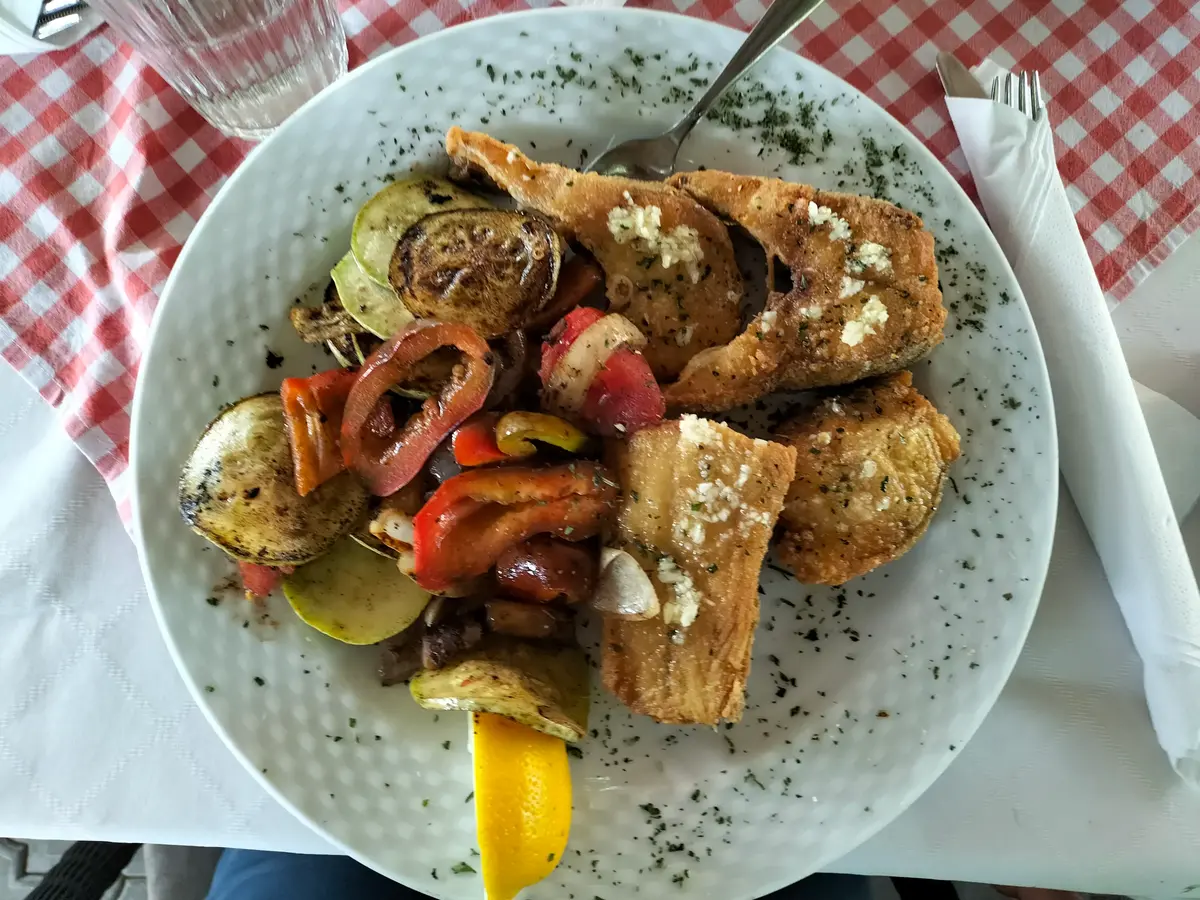
Summer (Jun–Aug): the coast dominates. Fresh Ionian seafood, grilled octopus, and dhallë — a cold, salty yogurt drink — are everywhere and excellent. In Saranda, three restaurants clustered around the harbor and the Lekursi hillside are worth targeting specifically. Mains generally run $9–$25, and all three take reservations, which matter in July and August.
- Haxhi: Family-run, with a striking interior and a sea-facing terrace steps from the water. Known for slow-cooked pork and homemade bread. Reserve ahead in summer — it is consistently the highest-rated table in town.
- Balcony Restaurant: Panoramic bay views and a strong seafood risotto at sunset. One of the more reliable card-accepting spots in the center.
- Limani Bar Restaurant: Directly on the harbor and open from breakfast onward. Big shareable plates, excellent grilled octopus, fast service, and the most casual of the three.
Autumn (Sep–Oct): the interior takes over. Mountain leaf teas, raw honey, and fresh walnuts in Dibër and Pukë. Wine tastings in Berat’s fertile valleys and around Pogradec as the harvest comes in.
Winter (Nov–Mar): tavë kosi, hearty bean broths, and roasted chestnuts in stone-walled tavernas. Order these in any small town and you will not be disappointed.
Maximizing Value: The 40% Rule
Travelers who shift their coastal itinerary from August to September, or from July to late May, consistently report savings approaching 40% on total trip cost — with objectively better weather, emptier beaches, and no sunbed wars.
The math is straightforward. A week on the Riviera in August for two people, budgeting the peak-season rate of about $115 per person per day, runs roughly $1,610 for accommodation, food, sunbeds, and transport. The same trip in September, at shoulder rates near $70 per person per day, lands closer to $980 — for warmer swimming water and a fraction of the crowds. Sunbed sets alone drop 20–40% between the two months, and rental car rates fall alongside them.
Pro Tip: If your employer locks you into August, go north instead of south. The Albanian Alps in August are world-class, every pass is open, and guesthouse rates run a fraction of the coastal peak. You get the better trip and the smaller bill.
Frequently Asked Questions
What is the cheapest time to visit Albania?
January and February are the cheapest months, when flights and accommodation hit their annual low and daily budgets fall to around $45. The trade-off is that the Riviera is closed and the alpine passes are impassable. For the best balance of low cost and full access, October is the smarter budget choice.
What is the best month to visit Albania for beaches?
September. The Ionian holds near 76°F (24–25°C) after warming all summer, air temperatures ease to around 82°F (28°C), rainfall stays near an inch for the month, and crowds thin dramatically after the first week. June is the runner-up, with cooler water but equally low prices.
How many days do you need in Albania?
Seven to ten days covers a genuine north-and-south loop: Tirana, the Komani Lake ferry, Theth or Valbona, then Berat or Gjirokastër and the Riviera. Five days forces a choice between the mountains and the coast. Two weeks lets you add Korçë, Lake Ohrid, and Butrint without rushing.
Is Albania still cheap to visit?
It remains one of Europe’s better values, but the “impossibly cheap” reputation is dated. The lek has strengthened, coastal prices have risen sharply with the tourism boom, and Ksamil in August now costs more than parts of Greece. Inland cities, the north, and the shoulder months are where the value still genuinely is.
When is the best time to hike from Theth to Valbona?
Mid-June through late September is the reliable window, with the standard summer descent from the pass most consistently clear of snow from mid-July onward. Early October is possible but carries snowfall risk and guesthouse closures. Outside that window, hire a local guide or skip the crossing.
Do I need a car to visit Albania?
Not for the cities — furgons and buses connect Tirana, Shkodër, Berat, Gjirokastër, and Saranda affordably. A car becomes close to essential for Theth, the Llogara pass, and rural agritourism. If you are visiting between November and April, confirm your rental includes snow chains before you drive into the mountains.
Choosing Your Window
Figuring out the best time to visit Albania rewards travelers who do their homework. The shoulder months of May, June, September, and October deliver the best convergence of accessible terrain, manageable prices, and comfortable temperatures — but a winter city trip to Tirana or a peak-summer alpine escape can be exceptional too, provided you arrive with the right expectations and the right equipment in the trunk.
The question isn’t just when to go — it’s what you actually want to do when you get there. Which part of Albania is calling you first: the Accursed Mountains or the Ionian Coast?