Planning a trip to the Western Balkans? Understanding the Albania visa requirements is the first step, and they remain some of the most misunderstood entry rules in Europe. Getting them wrong means a denied boarding pass, a forfeited flight, or a U-turn at a land border checkpoint. This guide cuts through the confusion and lays out the administrative rules, legitimate exemptions, and land-border realities you need before you book. It is the paperwork layer that sits underneath everything else in our complete Albania travel guide.
Every rule below is drawn from the Albanian Ministry for Europe and Foreign Affairs, the official e-Visa portal, and the U.S. Embassy in Tirana. Immigration policy changes without much notice, so verify anything time-sensitive against those sources before you fly.
Do US Citizens Need a Visa for Albania?
No. US citizens do not need a visa for Albania and may stay up to one year (365 days) without applying for a residence permit. This bilateral arrangement is the most generous in the region. It sits entirely outside the Schengen Area 90/180-day rule, so your days in Albania do not consume your Schengen allowance.
The allowance covers tourism, business, and transit equally. There is no pre-arrival registration, no fee, and no e-Visa to file. You show a valid passport and you are admitted. The harder logistics sit on the aviation side, since flights to Albania from the US almost always route through a European hub.
Pro Tip: The 365-day allowance runs continuously from your entry date. You can legitimately sign a six-month lease in Tirana without violating immigration law, which is something many American slow-travelers never realize.
How the One-Year Clock Actually Resets
This is where long-stay travelers get caught. To restart the 365-day clock, you must leave Albania and remain outside the country for at least 90 consecutive days. Short trips out during your year, a weekend in Kotor or a week in Corfu via the Corfu to Saranda ferry, do not lengthen or reset the allowance.
If you intend to stay beyond one year, you must apply for a residence permit. Staying past the limit without authorization exposes you to overstay fines, and the U.S. Embassy in Tirana has explicitly noted that it cannot intervene when Albanian immigration authorities issue them.
Do You Still Get a Passport Stamp?
Not always. Albanian border officers are increasingly recording entries electronically rather than stamping passports, a shift the U.S. Embassy in Tirana has flagged directly. If you do not receive a stamp, keep your boarding pass or ferry ticket. It becomes your only practical proof of arrival date if an officer questions your stay months later.
Passport Validity, Blank Pages, and the 10-Year Rule
Your passport must be valid for at least three months beyond the date you leave Albania, and it must have been issued within the last 10 years. The second condition is the one almost every guide omits, and it quietly disqualifies travelers holding older passports with extended validity.
You also need blank page capacity. The requirement differs by category:
- Visa-free travelers: at least one blank page for an entry stamp.
- Visa applicants: at least two blank pages, because the visa sticker occupies a full page.
Note the divergence between authorities. The Albanian Ministry measures validity from your departure date; the U.S. State Department states three months from arrival. The Ministry’s rule is the stricter reading, so plan against it.
Action Step: Check your passport now. If you are inside six months of expiry, renew before booking. Airlines apply their own boarding thresholds that are frequently stricter than Albania’s legal minimum, and the check-in desk in your departure city is where the trip usually ends, not the Albanian border.
Financial Proof and Secondary Screening
A strong passport does not guarantee frictionless entry. Border and Migration officers are authorized to request supplementary documents to verify that you meet Albania entry rules. Being pulled aside without printed documentation is stressful and avoidable.
Carry these in printed form:
- A return or onward ticket demonstrating you intend to leave.
- A hotel booking confirmation or a signed invitation letter.
- Evidence of funds. The benchmark officers commonly apply is around €50 (roughly $55) per day of intended stay, which sits well above what most visitors actually spend per day in Albania. Treat it as a solvency test, not a budget.
Pro Tip: Build a physical border folder and keep it in your carry-on rather than buried in an email account that airport Wi-Fi may not let you reach. Sorting out an Albanian SIM or eSIM before you land helps too, but paper never needs a signal.
Albania Visa Requirements for Third-Country Nationals
If you do not hold a passport from a visa-exempt country, the Albania visa requirements become more layered. Several legitimate exemptions exist that most mainstream travel advice overlooks entirely.
Schengen Visas and Residence Permits
A valid multiple-entry Schengen visa grants visa-free entry to Albania, but only if it has already been used in a Schengen member state. Arriving with a brand-new, never-activated Schengen visa will not qualify you for the exemption. Separately, a valid permit of stay issued by a Schengen state also qualifies you for visa-free entry.
There is a second condition almost nobody publicises: you must leave Albania no later than three days after the underlying document expires. Your Albanian stay is tethered to the validity of the visa or permit that got you in.
Routing Example: Flying from New Delhi on a fresh Schengen visa? Route through Rome or Athens and clear immigration there to activate it. Only then connect onward to Tirana.
Pro Tip: “Previously used” means you physically entered a Schengen country and were admitted. An airside transit through an international zone does not activate the exemption.
US, UK, and EU Visas and Permits
The same logic extends further than most travelers realize. A valid multiple-entry visa or a valid residence permit issued by the United States, the United Kingdom, or an EU member state qualifies you for visa-free entry, including documents issued in electronic format. The document must have been previously used in the country that issued it.
This is the exemption permanent residents miss. If you hold a US Green Card, a UK residence permit, or an EU residence card, you generally qualify even when your passport nationality would otherwise require a full Albanian visa application. The same three-day departure rule applies once the document expires.
UAE Residence Permit Holders
Foreign nationals holding a 10-year UAE residence permit are granted visa-free entry to Albania. The condition that trips people up is validity: the permit must have no less than one full year remaining from the exact date you enter Albania. Do not attempt this with a permit expiring in eight months.
Seasonal Tourism Waivers
Albania periodically approves seasonal visa waivers for selected nationalities to boost peak-season tourism. These are decided annually by the Council of Ministers and the list changes materially from year to year.
At the time of writing, the current season’s waiver covers citizens of Saudi Arabia and Qatar only, for tourism purposes, running from mid-April through 31 December, with a valid passport and no e-Visa required. A previous season’s waiver also included Oman, Thailand, and Indonesia. Those nationalities are not on the current list.
This is precisely why you should never rely on a dated blog post for waiver status. Verify the current window directly with the Albanian Ministry for Europe and Foreign Affairs before booking anything.
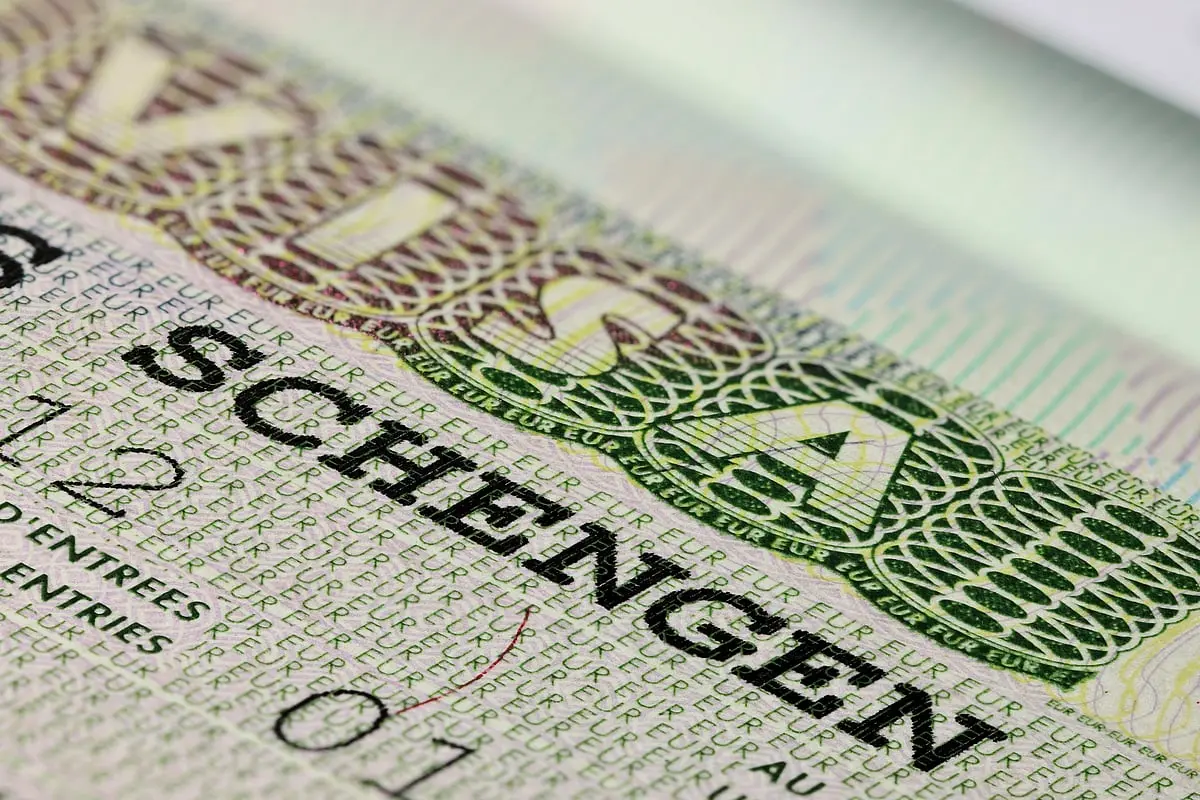
Navigating the Albanian e-Visa Portal
If no exemption applies, you apply through the government’s e-Visa system at e-visa.al. Applications are filed online from outside Albania, or in person at an Albanian diplomatic mission. Most failures here are procedural rather than substantive.
Choosing Between Type C and Type D
Selecting the wrong classification means leaving the country, forfeiting your fee, and starting again. The distinction is not about length of stay in the way most people assume.
| Visa Type | Validity | Permitted Stay | Best For |
| Type A | As issued | Airside transit only | Airport transit |
| Type C | Up to 5 years | 90 days per 180-day period | Tourism, business, short visits |
| Type D | 1 year | 90 days, then apply for a residence permit | Long stays, residency pathway |
Read that Type D row carefully. It is not a one-year stay permit, which is the single most common misconception about Albanian long-stay visas. It is a one-year validity window during which you enter, stay up to 90 days, and use that time to file for a residence permit from inside the country. Type C carries no such conversion right. If your goal is the Unique Permit, Type D is the only correct entry route for visa-required nationals.
Translating and Certifying Documents
Uploading raw foreign-language documents results in rejection, and the English you can get by on as a visitor carries no weight in an immigration file. Documents issued in foreign jurisdictions must be translated into Albanian by a certified translator, and translations typically require notarization in Albania. Depending on your country’s treaty position, an Apostille on the original document may also be required before translation.
Many documents must also be recently issued, commonly within the last six months. Check the requirement for your specific category before spending money on translations you cannot reuse.
Fees and Processing Times
Fees are set by the Albanian government, apply per applicant, and are non-refundable whether or not the visa is approved. Some countries are subject to reciprocity adjustments, so your fee may differ from the standard schedule.
Standard e-Visa processing is commonly quoted at five to 15 working days. The framework allows extension in exceptional circumstances, and applicants from certain nationalities face enhanced checks that can run 30 days or longer regardless of processing tier. Peak Mediterranean summer floods the system, so if you are arriving during Albania’s busiest travel months, build in more buffer than the quoted range suggests.
Submit at minimum six weeks before departure, not two. Express services exist at additional cost, but they do not override enhanced security review timelines.
Common Rejection Triggers
Most rejections are preventable. Here is what actually sinks applications:
- Wrong file format or oversized uploads. Check the portal’s technical specifications before you start.
- Generic bank summary letters instead of detailed transaction histories evidencing your daily solvency.
- Vague employment history. Unexplained income gaps trigger manual review.
- No demonstrated ties to your home country. Property documents, employment contracts, and family ties evidence intent to return.
- Insurance shortfalls. Visa applicants are generally expected to hold travel medical insurance for Albania valid for the requested period.
Warning: A refusal creates a record that follows you through future applications. Treat the submission as a legal filing, not a web form.

The Unique Permit: Albania’s Digital Nomad Route
Albania’s Unique Permit (Leje Unike), widely called the Albania digital nomad visa, combines work and residence authorization into a single biometric card. It is issued for one year initially, renewable, with longer permits available on subsequent renewals and permanent residence generally available after five continuous years of legal residence.
The permit authorizes remote work for employers and clients outside Albania. It does not authorize you to take on Albanian clients or work for an Albanian company without separate authorization. For the day-to-day side of the move, our guide to living in Albania as a digital nomad covers costs, connectivity, and where the community actually clusters.
Income Requirements
You must hold an active employment or service contract with an entity based outside Albania. The threshold most consistently cited for the remote-worker category is approximately $9,800 per year, or roughly $817 per month, from foreign sources.
To put that in local context, an espresso macchiato in a Tirana café costs under 100 Albanian Lek. The bar is deliberately modest because the policy goal is attracting foreign capital, not screening for wealth. That said, the figure is set administratively rather than by a widely published statutory table, and successful applicants often document meaningfully more to demonstrate stability. Officers assess whether income is recurring and foreign-sourced, not merely whether a number is met once.
Retirees apply under a separate category based on documented pension income. Reported thresholds vary by source and permit subtype, so confirm the current figure for your specific category with the Border and Migration authorities or an Albanian immigration lawyer before committing to a move.
The Albanian Bank Account Requirement
The Unique Permit application requires an active Albanian bank account, and this is where most nomad plans stall. Albanian retail banks want to see a local address and identification before opening an account, and some branches ask for a tax identification number (NIPT).
The apparent deadlock dissolves once you understand the correct sequence. The account is opened after arrival, not before. Work in this order:
- Enter legally first. Visa-exempt nationals, including Americans, enter on their visa-free allowance. Visa-required nationals enter on a Type D long-stay visa.
- Secure accommodation. Sign a genuine long-term lease and register the address. Short-term rental confirmations are a leading cause of rejection, and the Tirana neighborhood you settle in affects your commute to the immigration office as much as your rent.
- Open the account. Larger retail banks with international-facing branches in Tirana are the practical starting point. Bring your passport, lease, and entry evidence.
- File the permit application. Submit through e-Albania once the account and lease are in place.
Pro Tip: Branch-level policy varies more than national policy does. Ask in active expat communities which specific branches are currently opening accounts for pre-permit foreigners, because this shifts constantly and a refusal at one branch says little about the next.

Where You Apply, and to Whom
This is the detail most guides get wrong, and getting it wrong wastes months.
The e-Visa (Type C or Type D) is applied for online from outside Albania. The residence permit is a separate, later step, filed through the e-Albania portal while you are physically inside the country. Visa-exempt nationals skip the visa stage entirely and apply for the Unique Permit directly from inside Albania during their visa-free stay.
After online submission you attend an in-person appointment at the Regional Directorate of Border and Migration Police (DBM) with jurisdiction over your address, where original documents are verified and biometrics captured. That office, not any general immigration bureau, is the authority that issues your card.
File early in your stay rather than late. Guidance on the exact filing window has shifted, and regional offices in practice expect applications within roughly the first month after entry.
Before your DBM appointment, you must already hold:
- A legally binding residential lease signed by the landlord, with the address registered.
- Private health insurance valid in Albania for the full duration of your intended stay.
- A clean criminal record certificate, apostilled and translated.
Renewal note: Apply to renew at least 60 days before expiry. Renewals can be refused if you have spent more than six cumulative months outside Albania within the permit year without prior authorization, a trap for nomads who treat the permit as a flexible base.
Tax note: Spending more than 183 days in Albania in a calendar year generally makes you an Albanian tax resident. Speak to a local accountant before you cross that threshold rather than after.
Overland Border Crossings: The Rules No One Talks About
Most travel content assumes everyone arrives through Tirana International Airport. Thousands do not. Road-trippers and overlanders cross land borders from Montenegro, Kosovo, North Macedonia, and Greece every season, and for them the Albania visa requirements are only half the paperwork. The run south from Montenegro is the busiest of those routes by a wide margin.
Vehicle Documents
A driving licence alone will not get a vehicle through an Albanian border checkpoint, and the border file is entirely separate from the road rules and driving conditions waiting on the other side. Officers require the original vehicle registration certificate. For UK-registered vehicles that means the physical V5C logbook, not a photocopy.
Arriving with a copy, or without registration entirely, invites scrutiny. The vehicle can be treated as potentially stolen, triggering physical searches and possible detention in the border zone until original documentation arrives.
If you are driving a rental, you need written cross-border authorization from the rental company explicitly permitting entry to Albania. Most standard contracts prohibit it by default, and crossing without authorization voids both the rental agreement and its insurance. Call the company before you collect the keys, and budget for a cross-border fee, commonly €40 to €60 for the rental period. An International Driving Permit is legally required if your licence is not in Roman script. Picking the car up inside the country sidesteps the problem altogether, which is one practical argument for renting a car in Albania rather than driving one in.
Green Card Insurance at the Checkpoint
Many Western European and UK motor policies exclude the Western Balkans. Albania is a member of the Green Card system, so you need a valid International Motor Insurance Certificate listing Albania, or you buy third-party cover at the border.
Check the country grid first. If you already hold a Green Card, confirm that AL is not struck through. A crossed-out country code is the most common reason travelers who thought they were covered end up buying cover anyway.
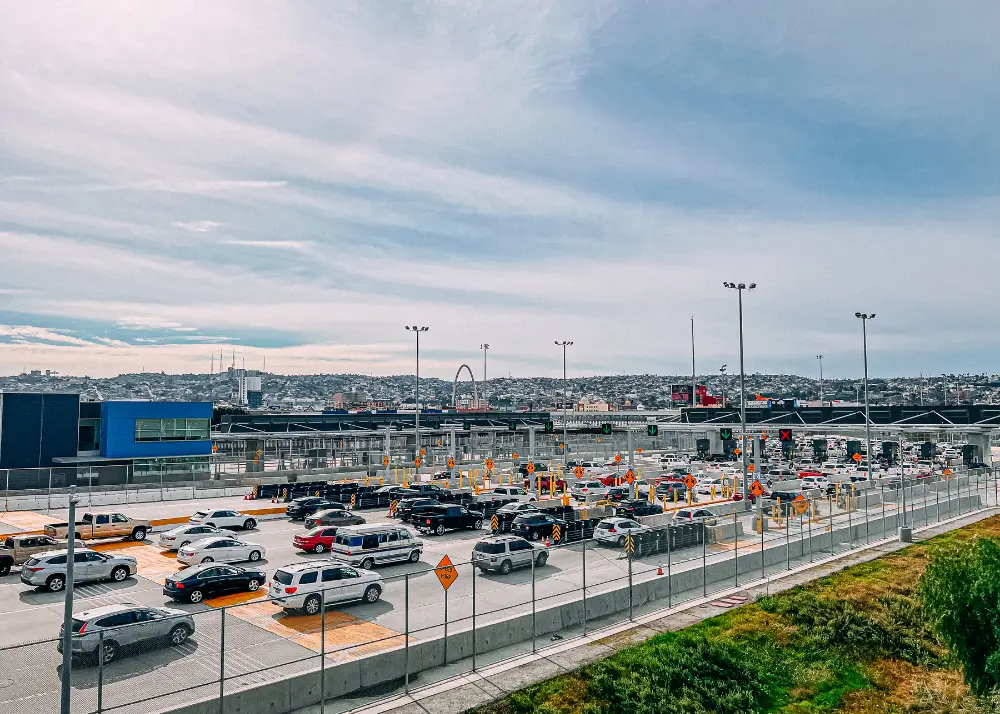
Here is what happens on the ground at crossings like Hani i Hotit or Muriqan. After passport control you pull onto the shoulder and find a small building with a border insurance sign. Officers process your vehicle documents and issue the policy on the spot.
The practical reality: Short-term border policies start from around €15 for a roughly two-week period, while longer or broader multi-country Green Card cover bought through an insurance office runs closer to €40 to €50. Payment at the border is cash, in euros. Card readers are frequently unavailable at rural checkpoints, and Albanian ATMs mostly dispense lek rather than euros.
Pro Tip: Have euro notes in hand before you reach the window. Negotiating change in broken Albanian while a queue of trucks idles behind you is memorable for all the wrong reasons.
How Albania Fits Around the Schengen Clock
Albania is not in the Schengen Area, and days spent there do not count against your Schengen 90/180 allowance. That makes it one of the most useful non-Schengen bases in Europe, particularly for Americans with the one-year allowance.
Two cautions apply, and both have sharpened considerably.
First, Albania runs its own counter. For nationalities admitted on the standard 90-days-in-180 basis, leaving briefly and returning does not reset anything. The rolling window works exactly as Schengen’s does, even though the two systems are unrelated.
Second, the EU’s Entry/Exit System is now fully operational at Schengen external borders. Entries and exits are recorded biometrically rather than stamped, and day counts are calculated automatically. The margin for error that faded ink used to provide is gone. Land crossings back into Greece at Kakavijë and Qafë Botë are where miscalculated Schengen days most often surface, because officers there have both the time and the system to check. ETIAS pre-authorization for visa-exempt travelers entering the Schengen Area is expected to follow.
The practical consequence: if you are using Albania to break up Schengen time, track both counters separately and precisely.
Overstaying: What It Actually Costs
Overstaying in Albania is an administrative offence with escalating consequences. Penalties scale with the length of the overstay and can include fines payable before border police process your departure, along with exposure to a multi-year re-entry ban in more serious cases. Digital tracking at major entry points has made detection routine rather than a matter of an officer’s attention.
Paying a fine does not retroactively legalize the overstay. It is a penalty, not a permit. If you realize you are approaching a limit, leave or file for status before the date passes, not after.
Albania Entry Requirements: Decision Matrix
Use this quick-reference table to identify your entry pathway before working through the detailed procedures above.
| Your Situation | Entry Pathway |
| US passport holder | Visa-free, up to 365 days. Leave for 90 days to reset the clock. |
| EU, EEA, or Swiss citizen | Visa-free, 90 days per 180-day period. National ID card accepted at the border. |
| UK, Canadian, Australian, or NZ citizen | Visa-free, 90 days per 180-day period. |
| Multiple-entry Schengen visa, previously used | Visa-free. Must leave within 3 days of the visa expiring. |
| Multiple-entry Schengen visa, never used | Not exempt. Activate it in a Schengen state first. |
| Schengen residence permit holder | Visa-free while the permit is valid. Same 3-day departure rule. |
| US, UK, or EU visa or residence permit | Visa-free if valid, multiple-entry, and previously used in the issuing country. |
| 10-year UAE residence permit | Visa-free if the permit has at least 1 year of validity remaining at entry. |
| Saudi or Qatari passport | Visa-free for tourism during the current seasonal window. Verify before booking. |
| All other passports | Type C or Type D e-Visa required before travel. |
| Staying beyond your visa-free allowance | Unique Permit via e-Albania, biometrics at the Regional DBM office. |
Costs and Fees at a Glance
Budget figures below are indicative. Government fees are revised periodically and some are adjusted by reciprocity with your nationality, so confirm the exact amount at the payment step.
| Item | Indicative Cost |
| Type A airport transit visa | ~€35 (~$40) |
| Type C short-stay e-Visa | ~€60 (~$70); some categories higher |
| Type D long-stay e-Visa | ~€100 (~$115) |
| Express e-Visa processing | Additional premium on the base fee |
| Certified translation | ~$30–$80 per document |
| Apostille certification | Varies by issuing country |
| Border Green Card insurance | From ~€15 short-term; ~€40–€50 for broader cover (cash, EUR) |
| Rental car cross-border fee | ~€40–€60 per rental period |
| Daily funds benchmark | ~€50 (~$55) per day |
Pack Your Bags, But Read This First
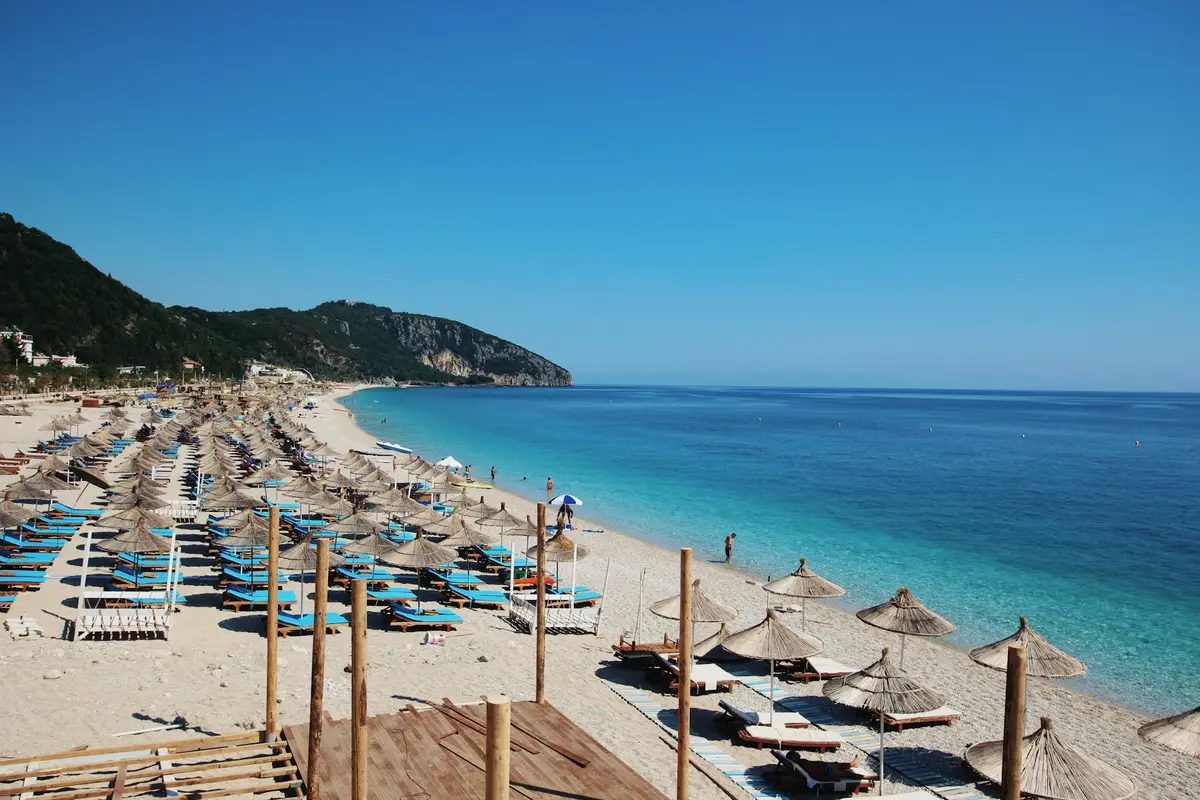
The Albania visa requirements system rewards preparation and punishes assumption. Whether you are a US passport holder using the 365-day allowance, a remote worker sequencing a lease, a bank account, and a DBM appointment in the right order, or a road-tripper pulling onto a border shoulder with euro notes and a V5C in hand, the rules are specific, they are enforced, and they are entirely learnable.
The single most useful habit is verification. Waiver lists change season to season, fee schedules are revised, and the exemption that applied on a two-year-old forum post may no longer exist. Check the Ministry for Europe and Foreign Affairs and the e-Visa portal before you book, not after.
Get the paperwork right, respect the bureaucracy, and one of Europe’s most rewarding destinations is waiting. Once the admin is settled, the routing is the enjoyable part, and our two-week Albania road trip itinerary is a good place to start planning it.
Sources and Verification
This guide is built on primary sources rather than aggregated travel content. Entry categories, exemptions, passport validity, and visa classifications are drawn from the Albanian Ministry for Europe and Foreign Affairs visa regime page and Law No. 79/2021 “On Foreigners”. Application procedure and fees come from the official e-Visa portal (e-visa.al) and the e-Albania services portal. Residence permit procedure, the one-year reset rule, and renewal conditions come from the U.S. Embassy in Tirana. Passport and blank-page guidance is cross-checked against the U.S. Department of State country information page.
Immigration rules change without notice. Where this guide and an official source disagree, the official source governs.